Migrating Images: Portrait of a City at Dulwich Picture Gallery
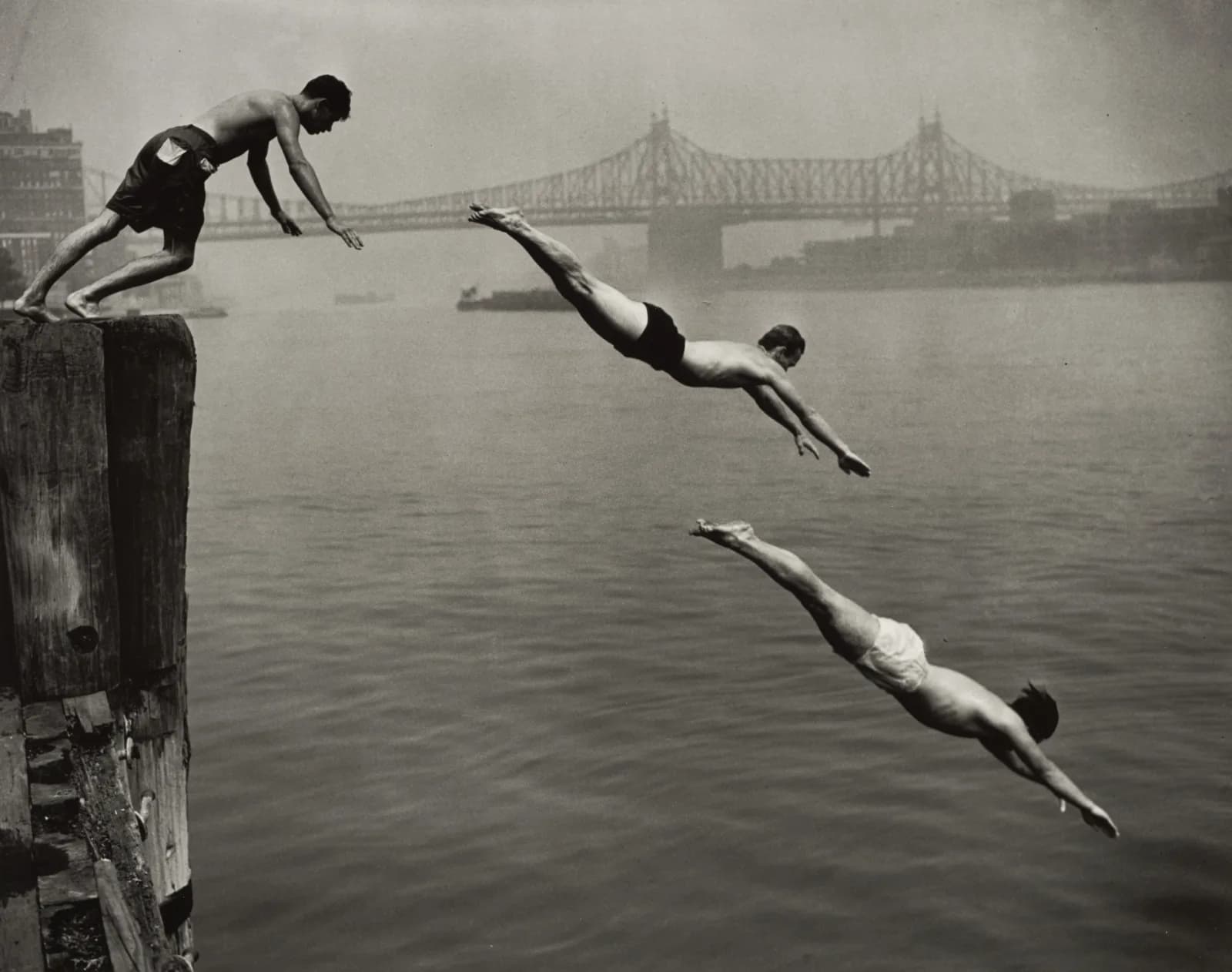
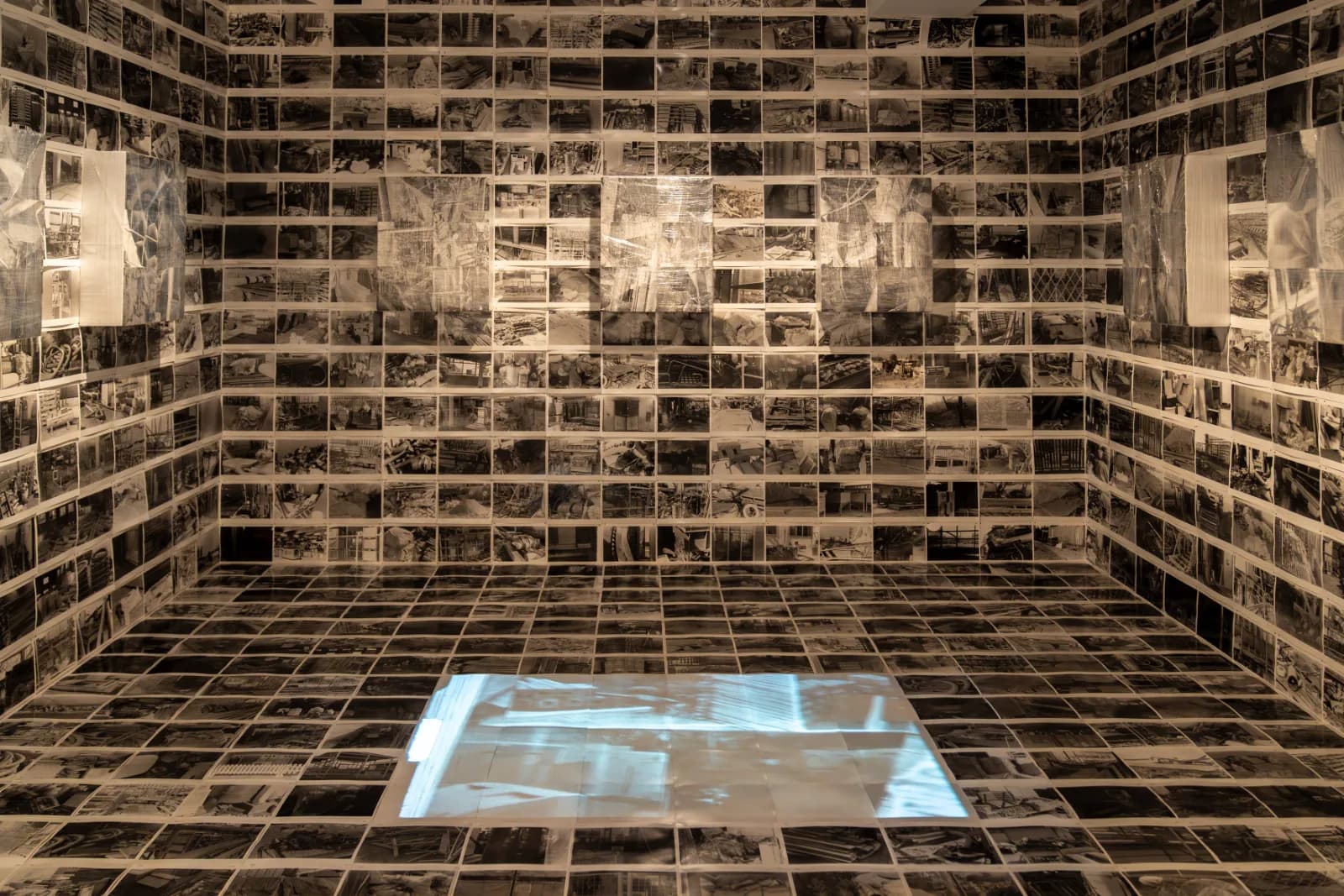
Thirty-eight photographers, four American cities, one century. A collection that crossed an ocean to reach a gallery built for paintings.
Read article
The living archive of AnotherStory
A curated collection of thoughts, portraits and narratives. Stories beyond the screen — where moving images open into reflection, place, process and contemporary visual culture.
Thirty-eight photographers, four American cities, one century. A collection that crossed an ocean to reach a gallery built for paintings.
Read article
Narrative encounters with artists, filmmakers, artisans, musicians and curators. Not just interviews: immersions in a practice, a place, a personal vision. Each portrait follows the rhythm of the person it tells: their voice, their studio, the light around them.

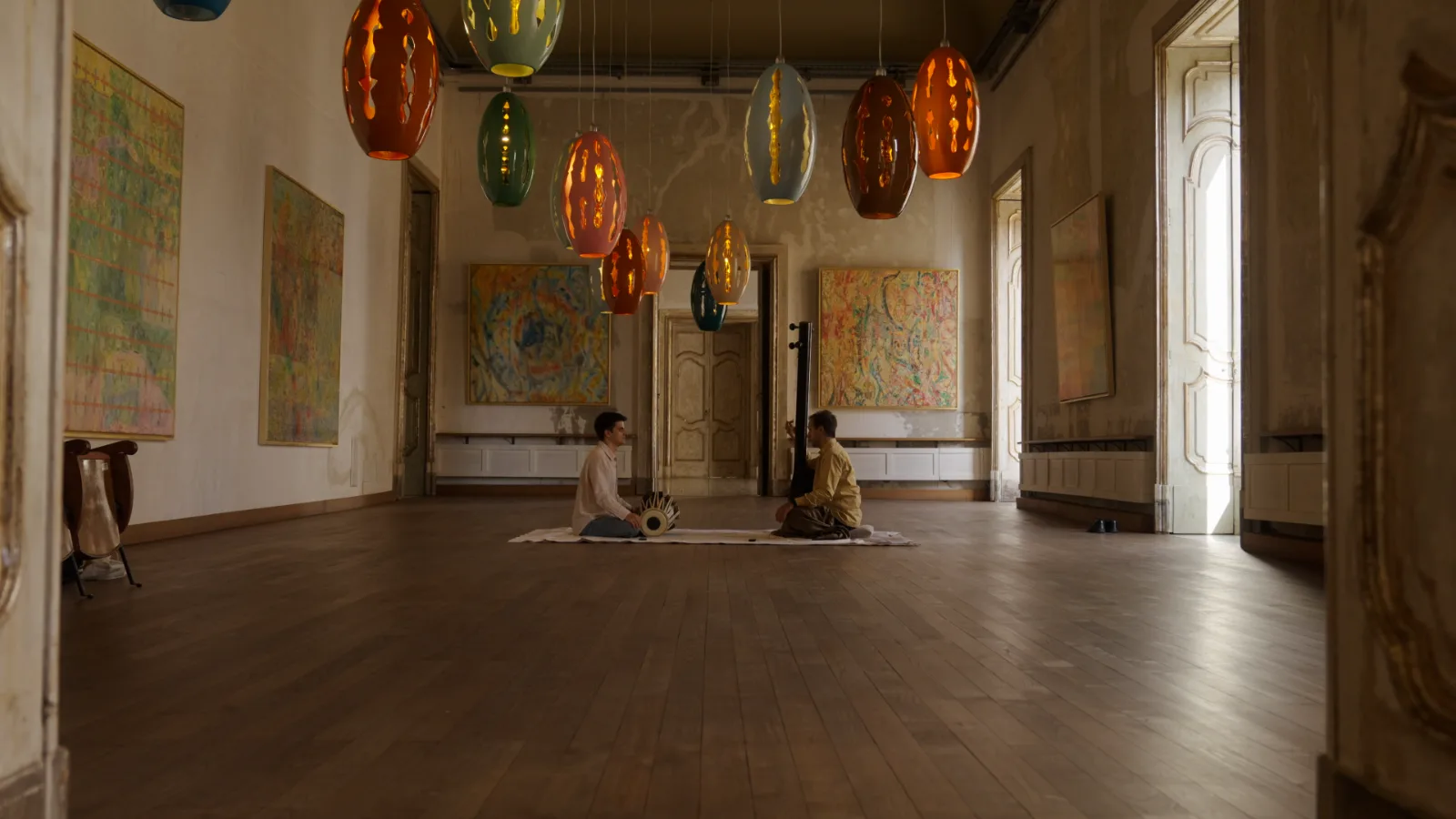
Before the music begins, there is tuning — an act of alignment between two instruments that is already part of the performance. Harkeerat Mangat and Balázs Virágh make Indian classical music with the precision of cognitive science and the playfulness of two friends who find their shared obsession "totally hilarious and absurd."

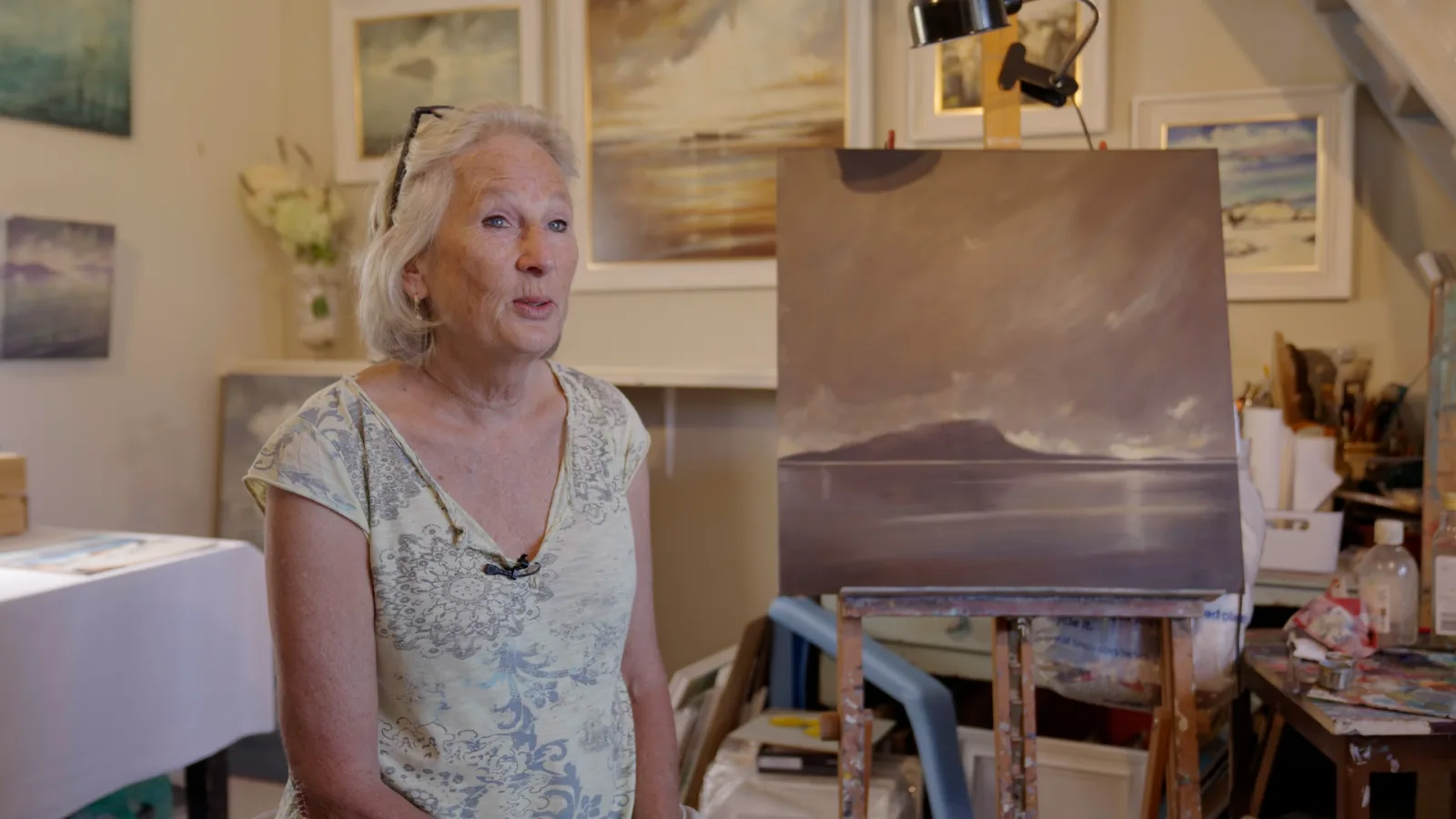
In her studio on the family farm, surrounded by sheep and sea, Mogs Mellor paints what catches her eye: oystercatchers, boats, a sprat on blue plastic. She calls her best work "happy accidents." What moves her most is when a stranger walks in and says: I love this.

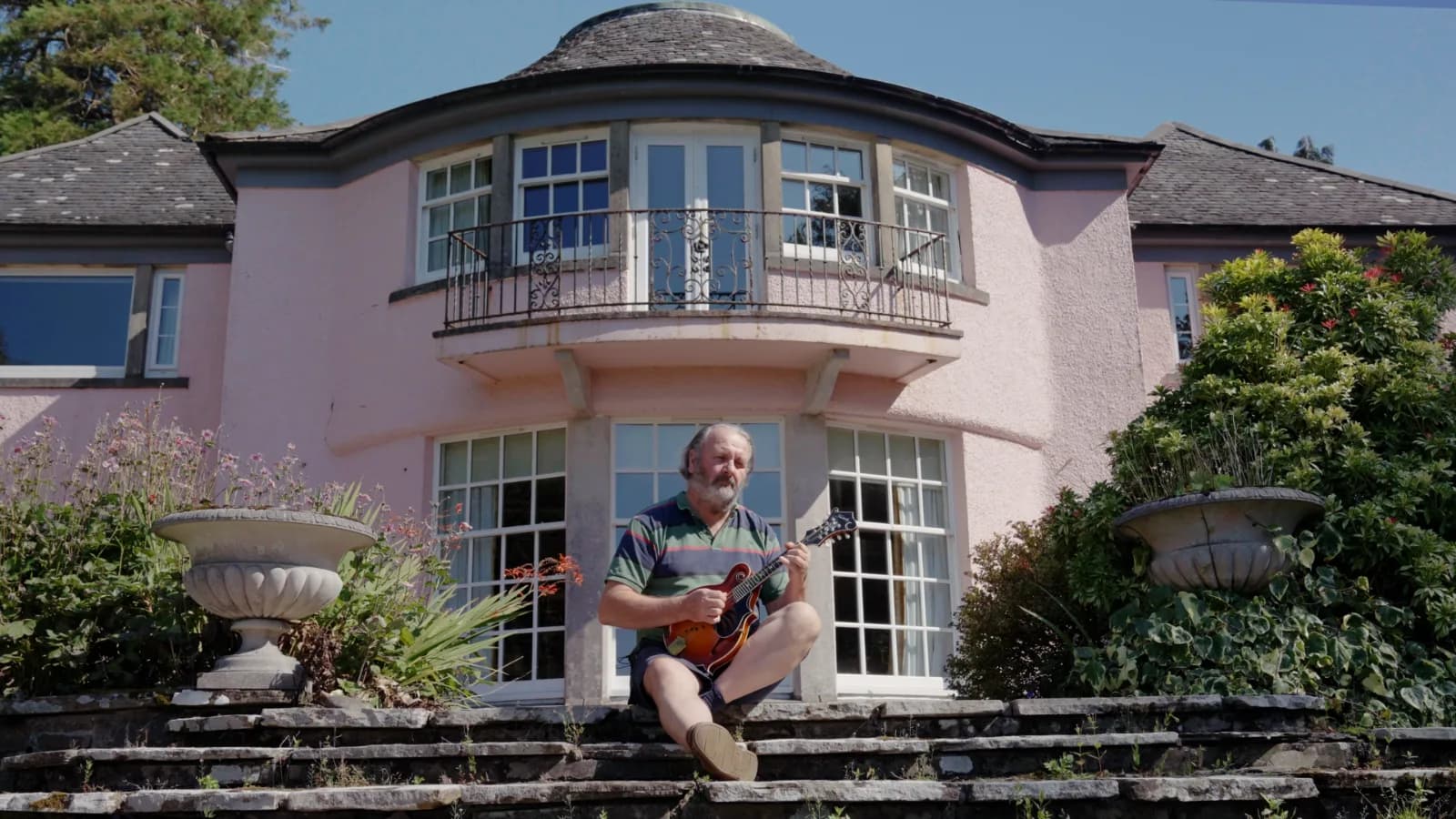
Not all the studios we visited in Argyll were artist studios. Some were houses, some were kitchens and some were pubs. Melfort House is all of these things combined. In this beautiful house on the shores of Loch Melfort, Matthew Anderson serves breakfast, plays the guitar in the pub across the road, and sends you to a tiny island for an evening of music you would never have found alone. For him, hospitality is a creative practice. The landscape is the calm that holds it all together.

In Argyll, reaching an artist's studio is already part of the work. Rory Gibson paints what he sees, travelling across islands by bicycle, choosing days of sun, finishing a canvas before the light shifts. His practice exists in the tension between the long time of the journey and the immediacy of the gesture.

On the west coast of the Scottish Highlands, where the road itself feels like part of the experience, a former farm building has been transformed into a contemporary gallery of rare clarity and character. At Resipole Studios, art is encountered as a quieter act of attention: shaped by landscape, architecture and the long journey that leads you there.
Writing that crosses disciplines and dwells in ideas. Visual culture, storytelling, heritage, accessibility, curatorial practice — given the space and attention they demand. A place for long thinking and wide seeing, where stories become trajectories through the present and beyond.

Founded in 1974 with a show by Dan Flavin, Studio Trisorio has spent fifty years changing the way Naples sees contemporary art. From the first photography exhibitions to the invention of Artecinema, from Villa Orlandi in Anacapri to three gallery spaces on the Chiaia waterfront, this is the story of a family, a city, and the conviction that art can reach everyone.

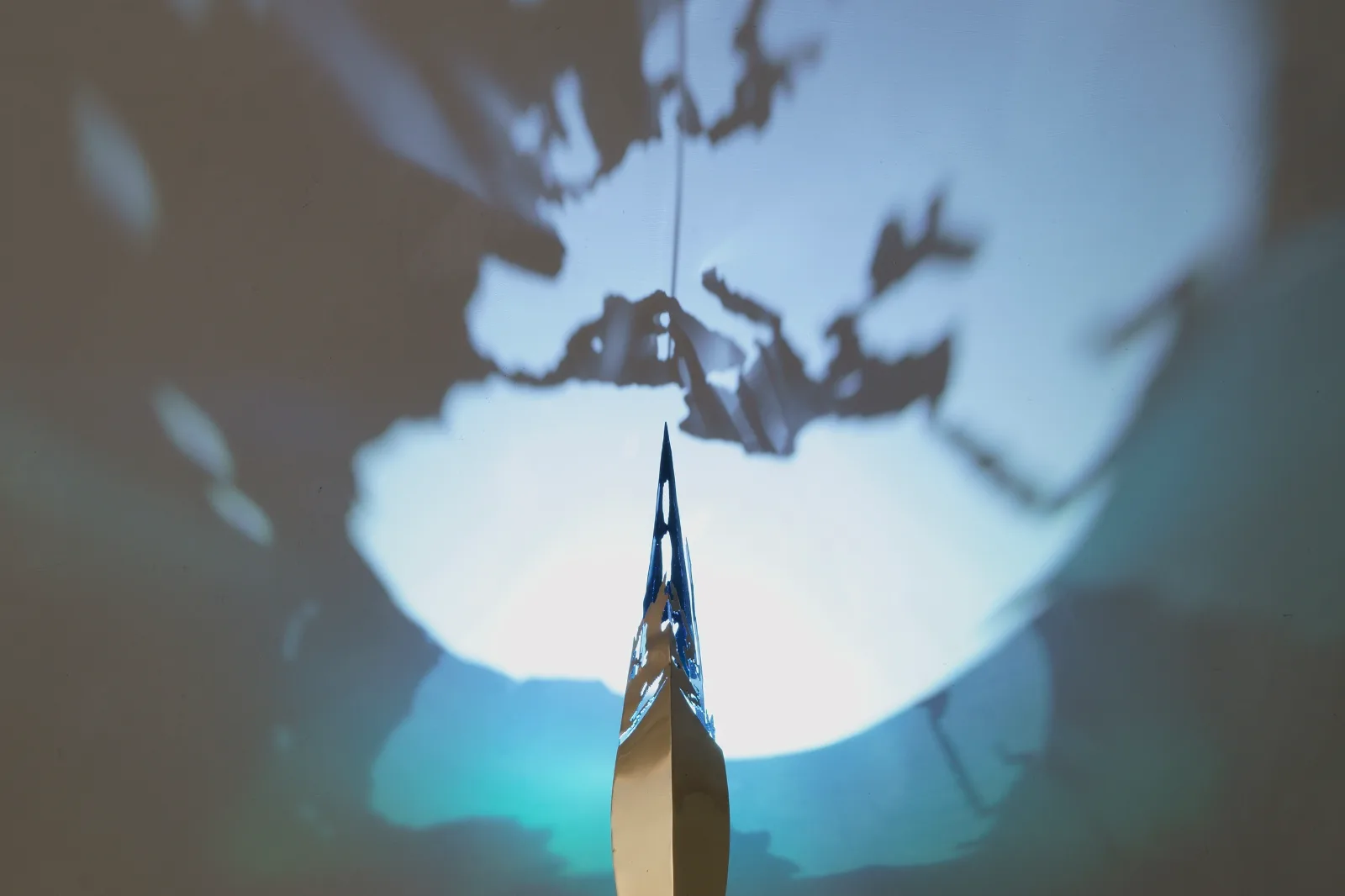
In a darkened room in one of Naples' most important galleries, a small LED projects the shadow of a globe onto a wall. Fabrizio Corneli has spent forty-five years making art from light. What he controls least is what interests him most.

The Journal is the place where AnotherStory thinks aloud — where films find context, projects take shape, and stories continue beyond the screen. Not a blog, not a magazine: a living archive, a house for the eye that learns to stay.
Conversations with the people who shape how we see, tell and create. Filmmakers and writers, visual artists and musicians, curators and gallery directors, architects and publishers, cultural leaders and independent voices. Not Q&A: edited exchanges where different worlds meet, and where the contemporary reveals itself through the practice of listening.

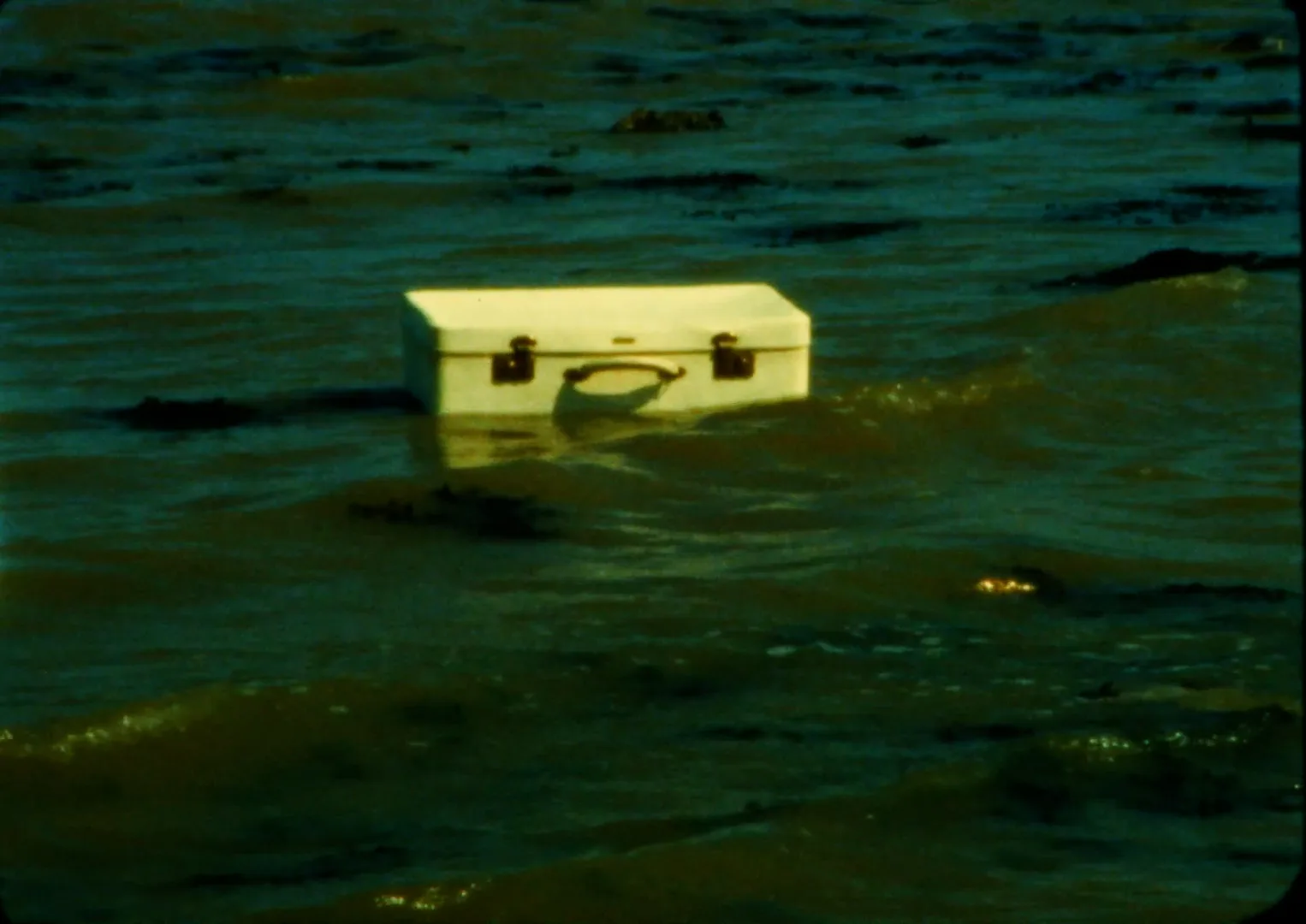
An island erupted in 1831 and vanished before photography existed. Elisa Giardina Papa went to find it, and decided not to film it.

A Dialogue with Eva Sajovic on empires, ruins, and the things that outlive the structures that contained them. From Yugoslavia to Rome to London, and from the personal to the political to the material. What do we build, and what do we let fall?

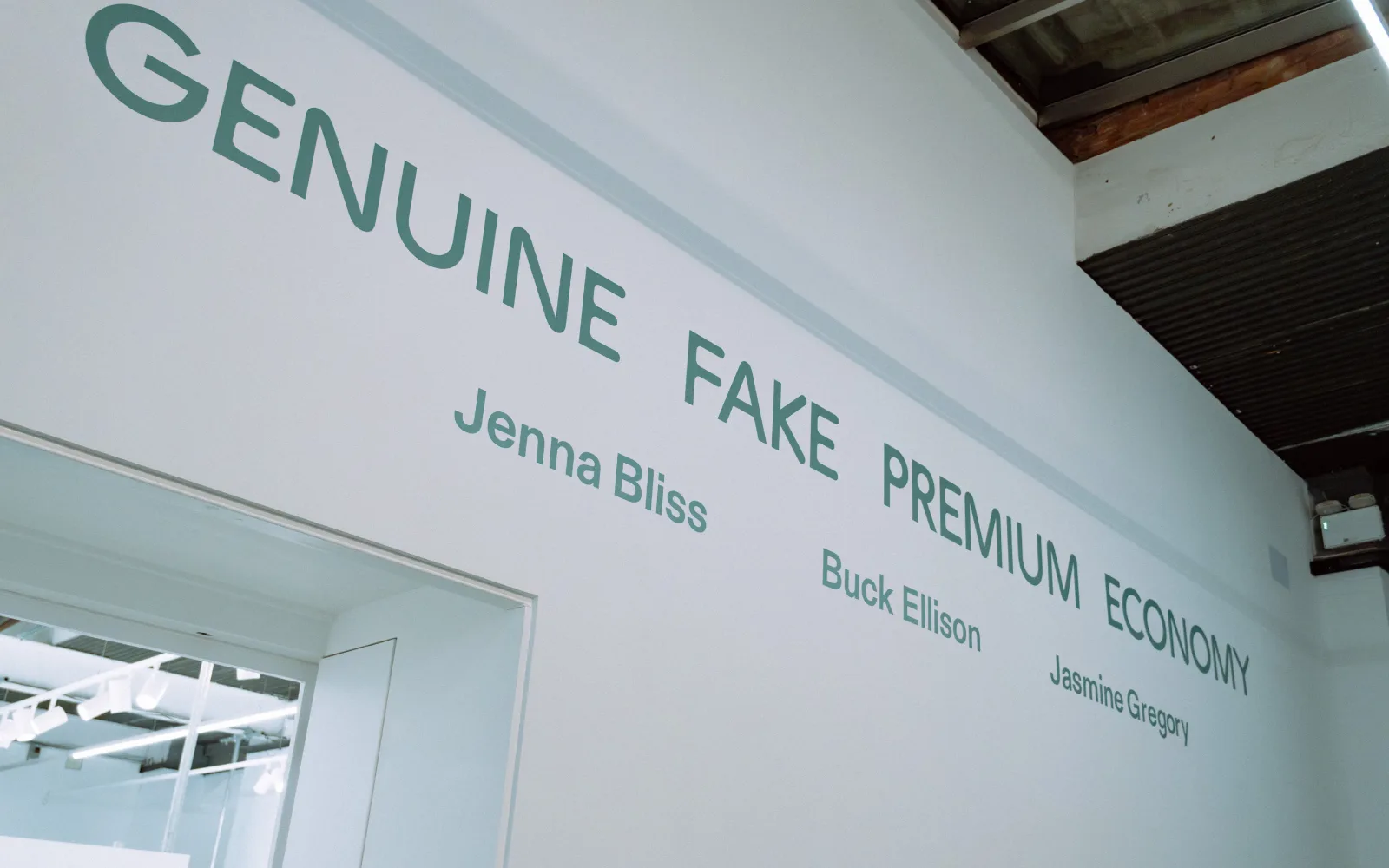
Four voices at the ICA. Three American artists and a curator sit in a room on The Mall and talk about what happens when art looks at money, and money looks back. A Dialogue from the preview and artists' talk of Genuine Fake Premium Economy.
A notebook for the things that catch our eye before they become something else. Observations from exhibitions, screenings, journeys, readings — impressions caught before they settle into form. The personal voice of the Lab.

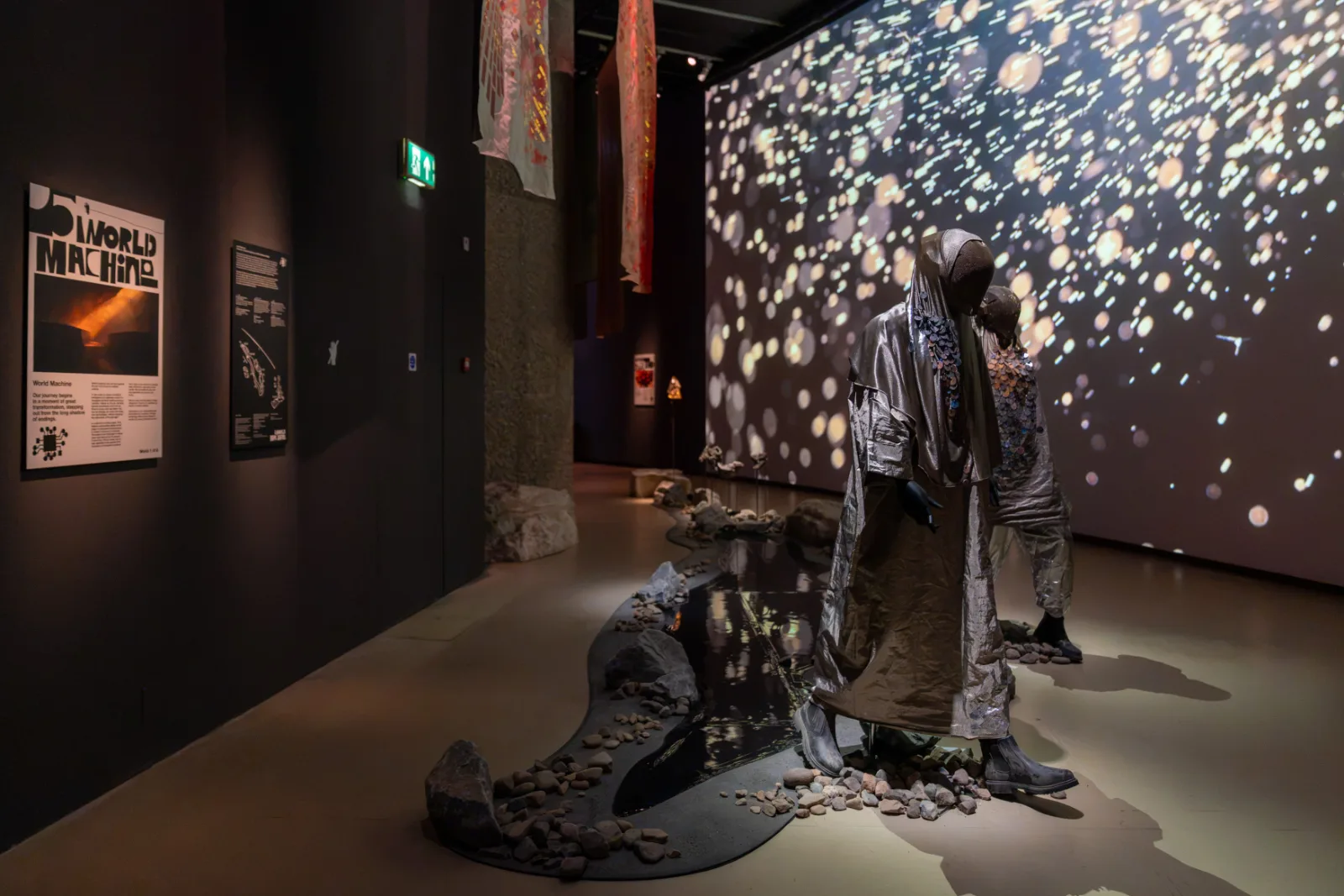
At the Barbican, Liam Young has built rooms around his films rather than films for his rooms. A foyer, a curved gallery and a car park become a route through possible futures.
Curated discoveries: a film encountered, a project surfaced, a book, an exhibition, a voice that deserves to travel further. Brief, dense, always pointing somewhere.

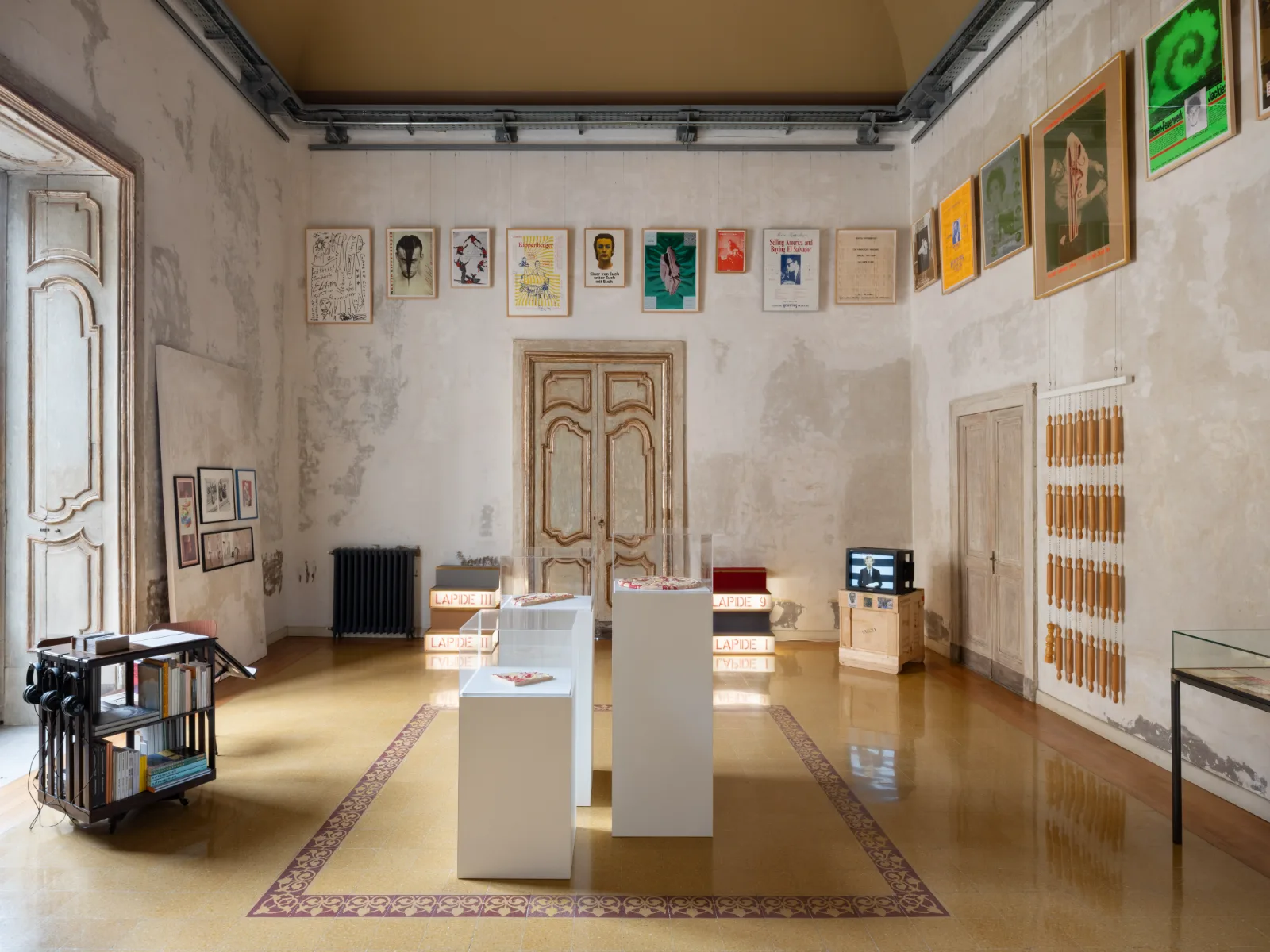
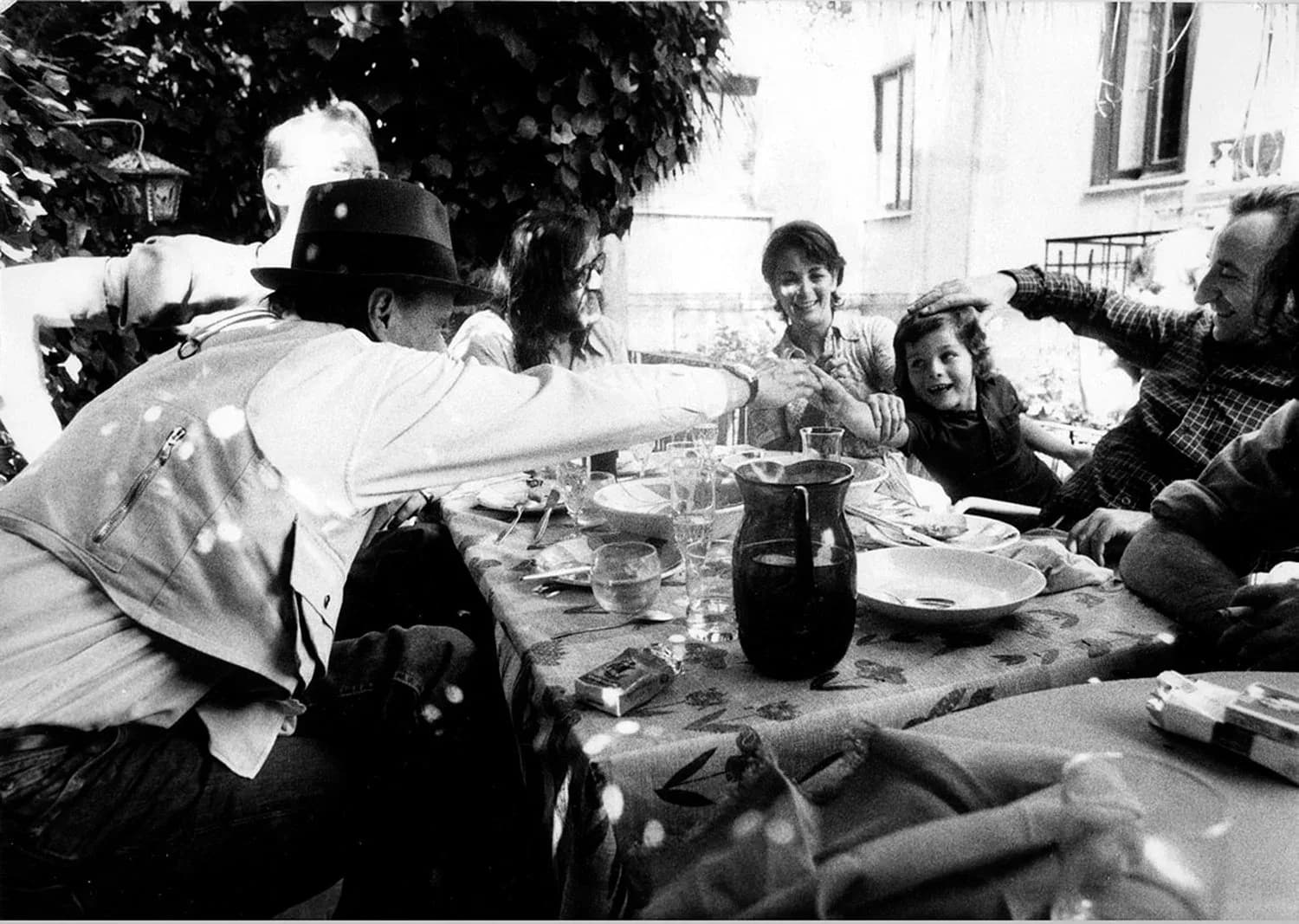
In the late 1970s, a young German teacher arrived in Berlin and met Martin Kippenberger. Four decades later, the gallery she built from that encounter celebrates its fortieth anniversary in Naples, with a double exhibition that brings Kippenberger's Italian obsession to the city he never reached in his lifetime.
Dispatches from inside AnotherStory: new films on the platform, open calls, partnerships, events. What we are making, why, and what comes next. Editorial in tone, never promotional.

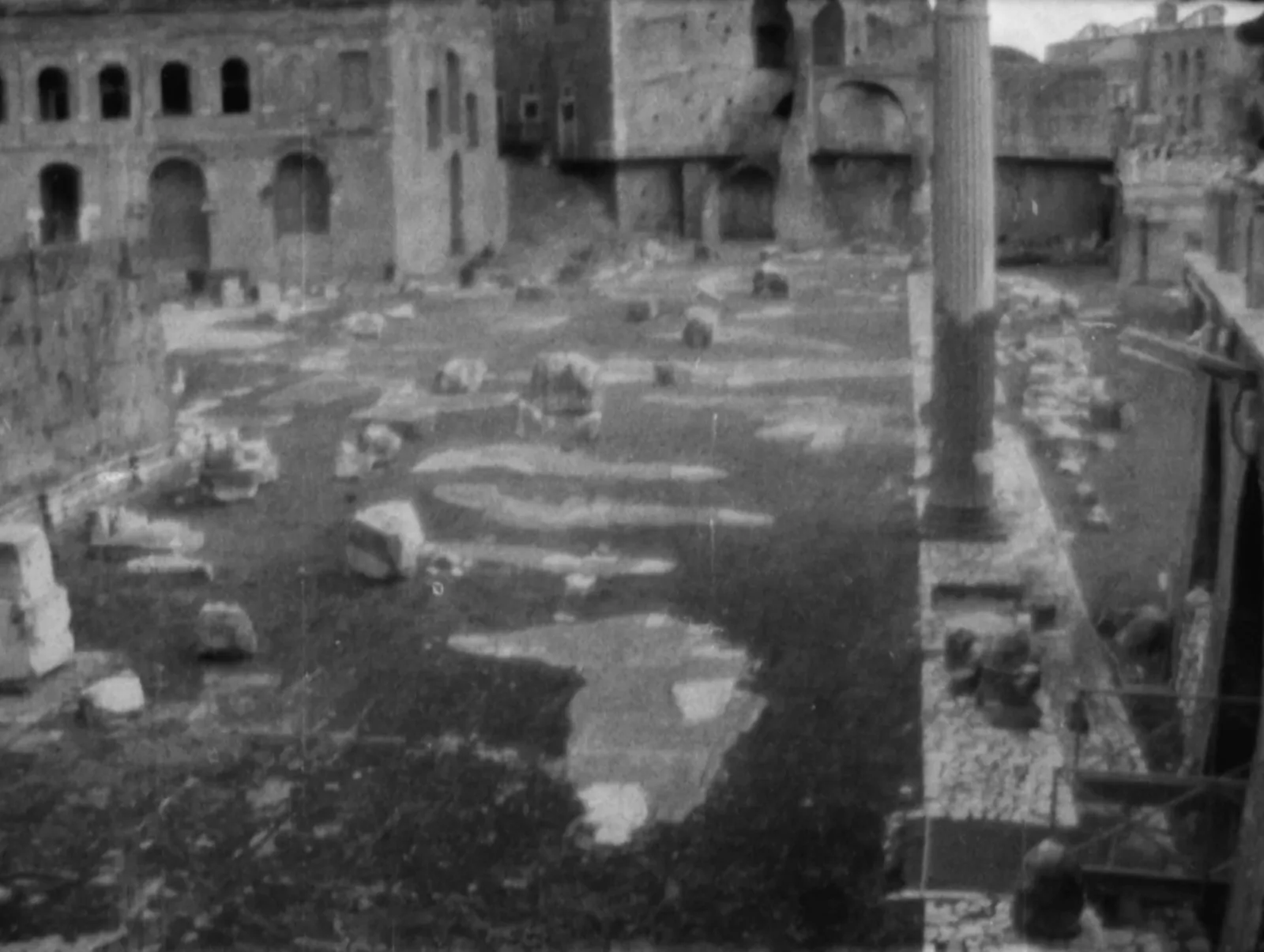
A film shot on Super 8, hand-developed in caffenol, and now finding a second life on a streaming platform. Eva Sajovic's Rise and Fall of a Temple begins with the ruins of Rome and ends with a cardboard temple collapsing on the porch of the British School. The most fragile medium for the most monumental subject.

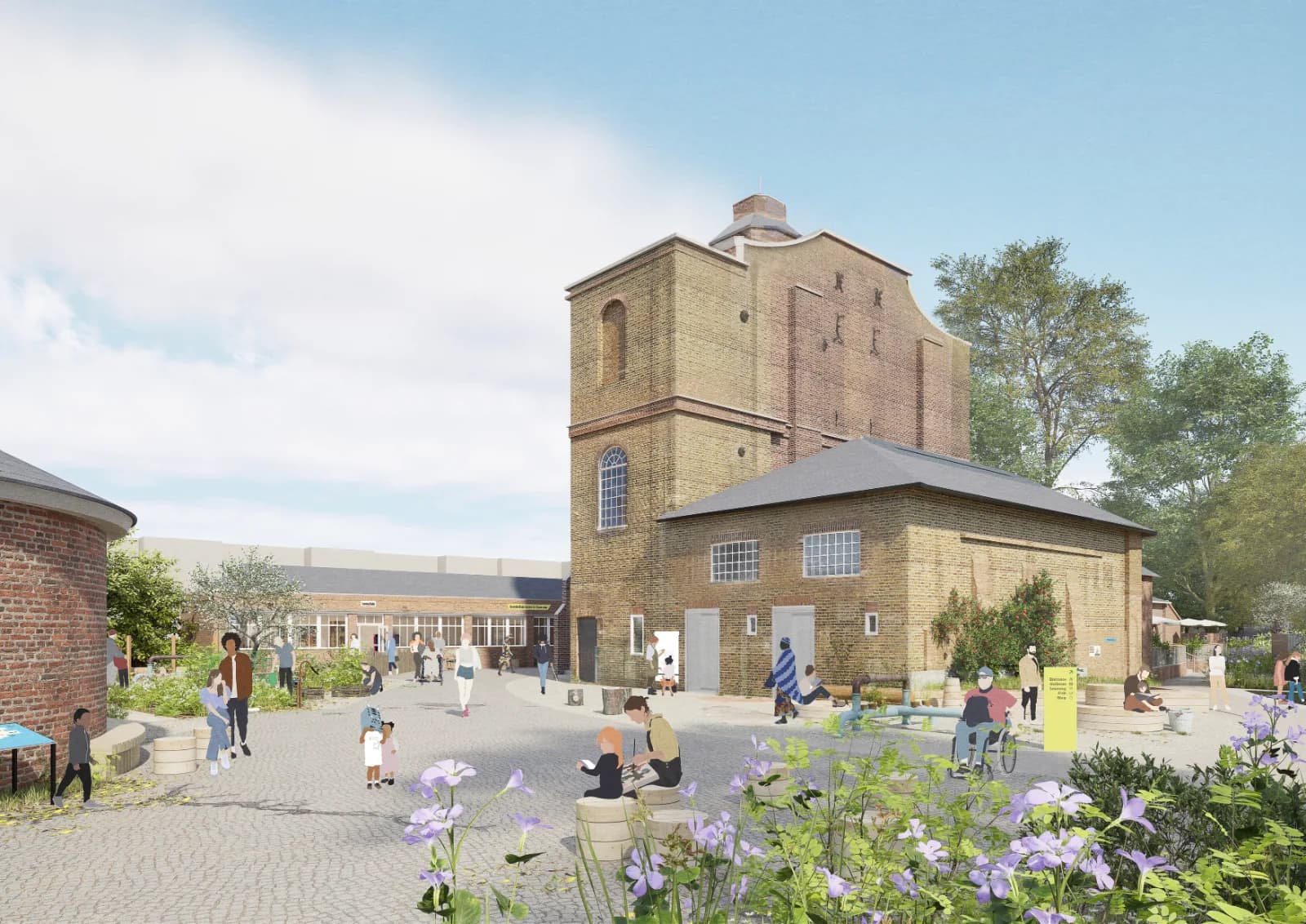
In 1613, water arrives in London through a hand-dug channel and gathers at a site called New River Head. For four centuries, this place carries something essential to the city. On 5 June 2026, it opens its doors again as the Quentin Blake Centre for Illustration, the world's largest space dedicated to a language that everyone understands.

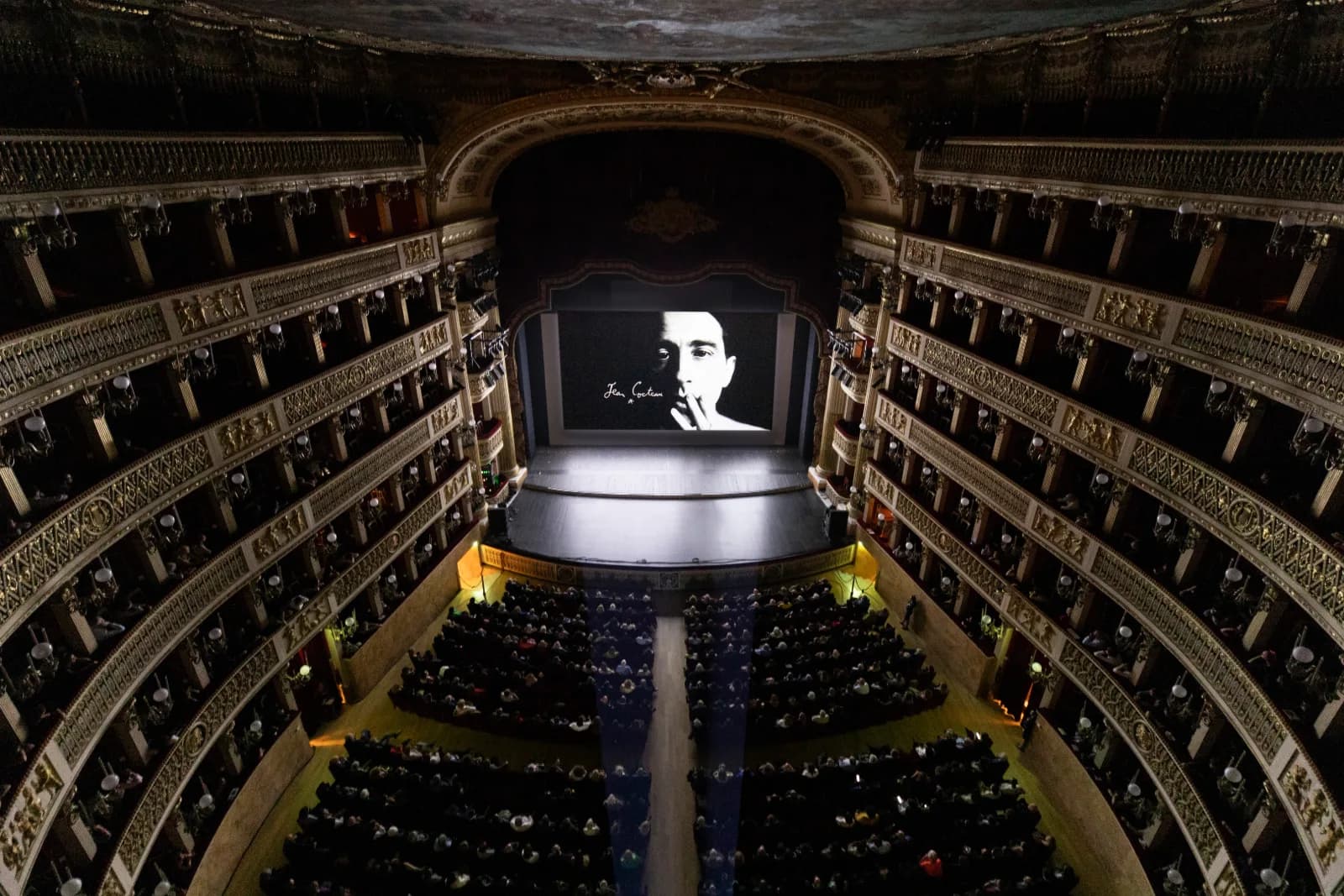
Since 1996, Artecinema has been bringing contemporary art to the screen in Naples. Thirty editions later, the festival founded by Laura Trisorio remains one of Europe's most important programmes of film on art, and one of the most generous: admission is free.
Sequences of images — film stills, photographs, frames — with minimal text. Where the Journal thinks through images, and where looking becomes a form of reading.

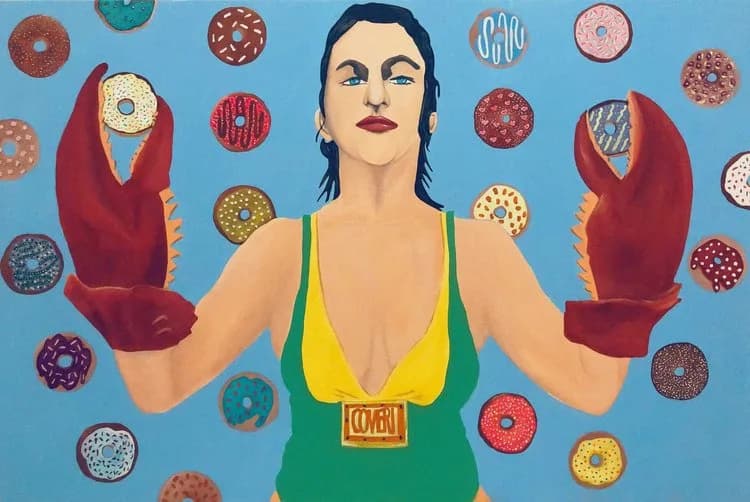
Naples feeds her soul, but her art speaks to the world — a visual language woven from mass culture, cinema, advertising, comics, and the infinite iconography of collective imagination.
Dispatches from open narrative worksites: research in progress, location visits, preparatory encounters. Where projects begin to take shape and the Journal becomes a space of pre-production and shared discovery.

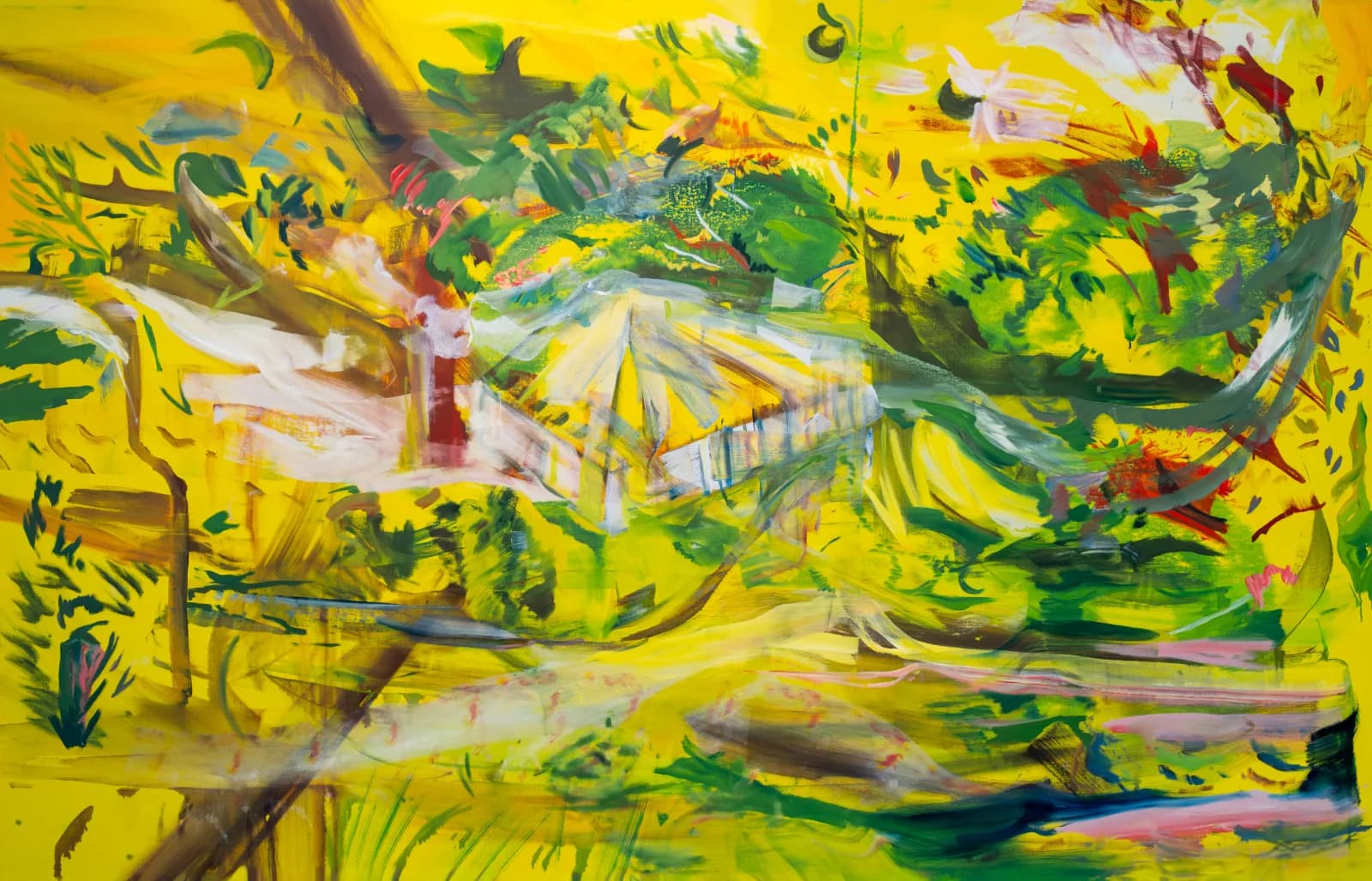
Cecily Brown's Picture Making at Serpentine South, seen through Kensington Gardens. The South Flower Walk is in its first blooms. Virginia Woolf walked here as a child. Brown painted here as a memory. We photograph it for the first time. A field note from the place where painting, literature and a London park converge.