Seeing comes before words.
There is no shortage of content in the world. There are platforms, feeds, channels, archives, newsletters, streams. Every year more films are produced than anyone could watch in a lifetime, more images made in a single day than the entire nineteenth century committed to paper. The problem was never scarcity. The problem is attention: where it goes, what shapes it, and what remains when it passes.
AnotherStory was born in the space between what is seen and what is told. Where stories find a home, and where — between images and words — curiosity, lightness and creativity live. It is the place where the eye learns to stay.
We are a curatorial studio and creative platform operating between Italy and the United Kingdom: a space where visual storytelling, editorial research and cultural narratives converge — not as parallel activities but as a single practice. We produce films and hybrid audiovisual content. We curate and distribute the work of independent authors, filmmakers and visual artists. We publish. We design. And we believe these things belong together: that a film is not complete without the conversation that surrounds it, that a place is not truly seen until someone returns it to writing, and that the most meaningful cultural experiences today often happen at the edges — at the point where disciplines cross, where formats merge, where the expected gives way to the discovered.
The Journal is the territory where all of this takes form — writing as the practice of extending the gaze.
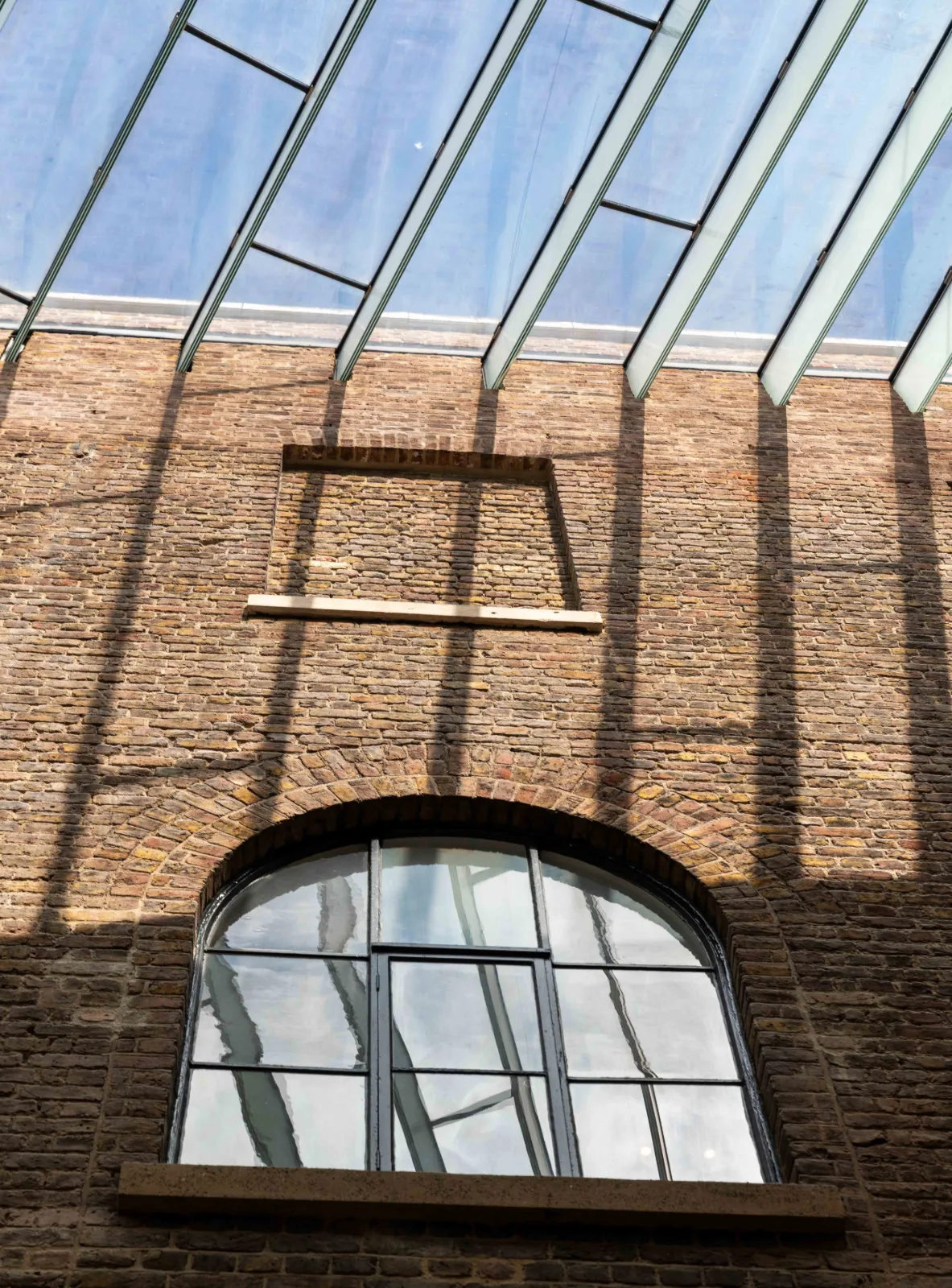
Not a blog. Not a magazine. A living archive.
The Journal is the editorial heart of AnotherStory. It is not a blog: it does not chase the rhythm of the feed. It is not a magazine: it does not depend on issues, deadlines or advertising. It is something closer to a living archive: a place where films find context, where projects take shape before the reader's eyes, where artists are encountered not through press releases but through narrative attention, and where ideas are given the space and care they require.
Where our streaming platform — AnotherStory Film — shows, the Journal explores. Where the platform selects, the Journal contextualises. A film on the platform is an experience. The same film — accompanied by a portrait of its author or the protagonist of its story, by a reflection on the landscape that shaped it, by a curated path connecting it to other works — is something else entirely. That is the Journal.
We think of it as a house. Not a storefront, not a gallery, but a place to sit down, stay, follow a thought from one room to another. A place where stories live beyond the screen, and where the act of reading becomes itself a form of seeing.
When we read a story, we inhabit it. The covers of the book are like a roof and four walls.
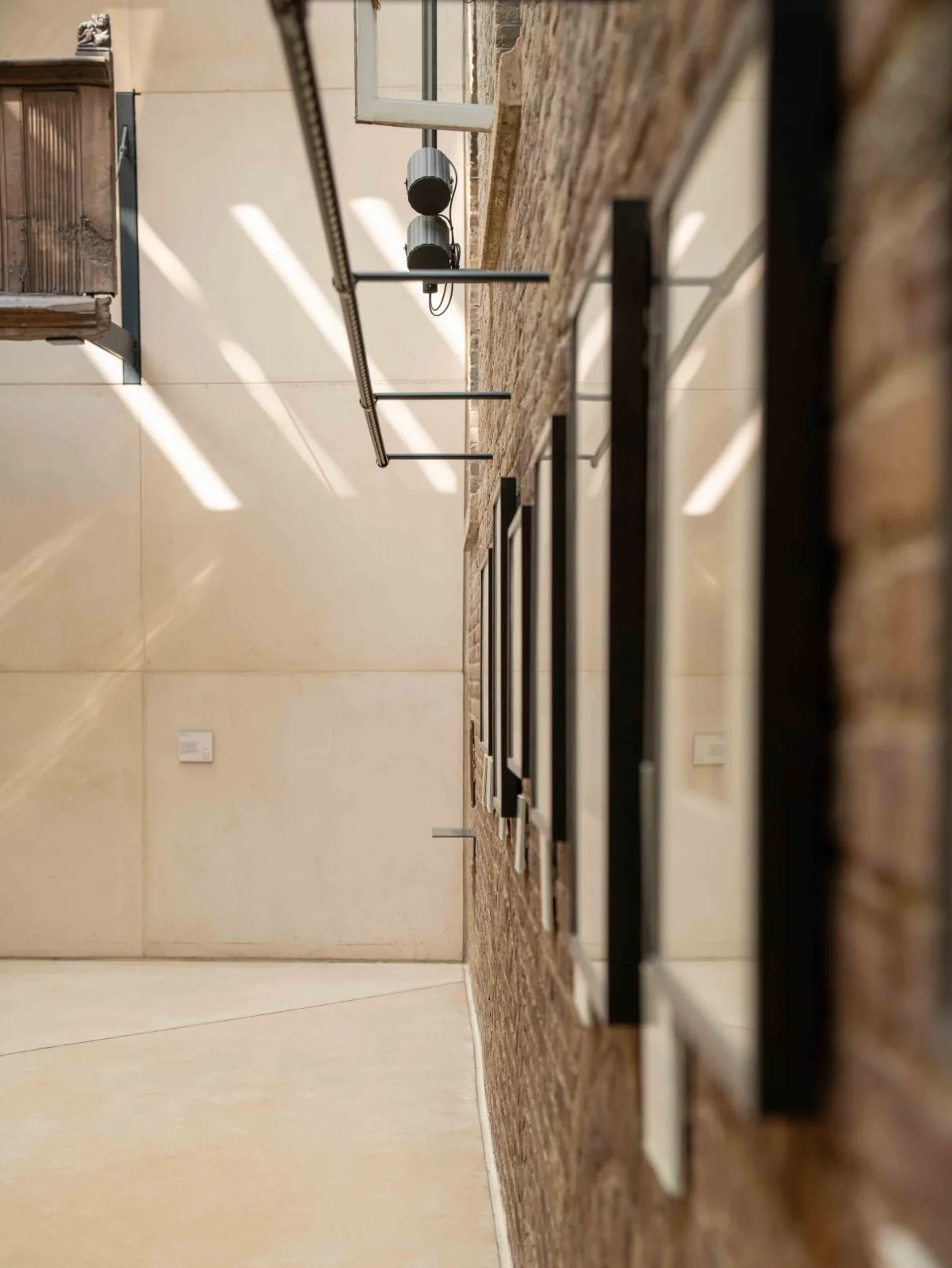
Essays, notes, visual trajectories
Everything published here belongs to one of three pillars — three forms that, together, make up the architecture of the Journal.
Essays are our long-form writing: pieces that build stories meant to last, tempering long thought and wide seeing. Narrative essays on places and living heritage. Portraits of artists, filmmakers, musicians and curators — told not as interviews but as immersions in a practice, a vision, a way of inhabiting the world. Critical writing on visual culture, storytelling, accessibility and curatorial practice. And dialogues: curated conversations with the people who shape how we see, tell and create.
Notes are shorter, more immediate: the heartbeat of the Journal between one essay and the next. A notebook for impressions caught on the fly, before thought transforms them: observations from screenings, exhibitions, journeys. Signals: curated discoveries worth sharing — a film, a book, a project, a voice. And dispatches from the Lab itself: what we are building, why, and what comes next.
Visual Trajectories are the paths we trace between images, works and places. Curated selections held together by a thread of meaning. Sequences of stills and photographs where looking becomes reading. And, in time, field notes from open narrative worksites: dispatches from projects as they take shape, before the final form is reached.
These three forms are not rigid categories. They are ways of breathing — long breath, short breath, visual breath. Together they define the Journal's rhythm: a space that can hold a two-thousand-word essay on the cultural landscape of western Scotland and, the following week, a three-line signal about a film discovered at a festival. Both belong here. Both are part of the same curatorial practice. This also creates a living architecture across the sections: the Notebook collects, the Signal points, the Essay inhabits, the Portrait encounters, the Territories traverses. Each section has its own verb, its own gesture.
My working method has more often than not involved the subtraction of weight.
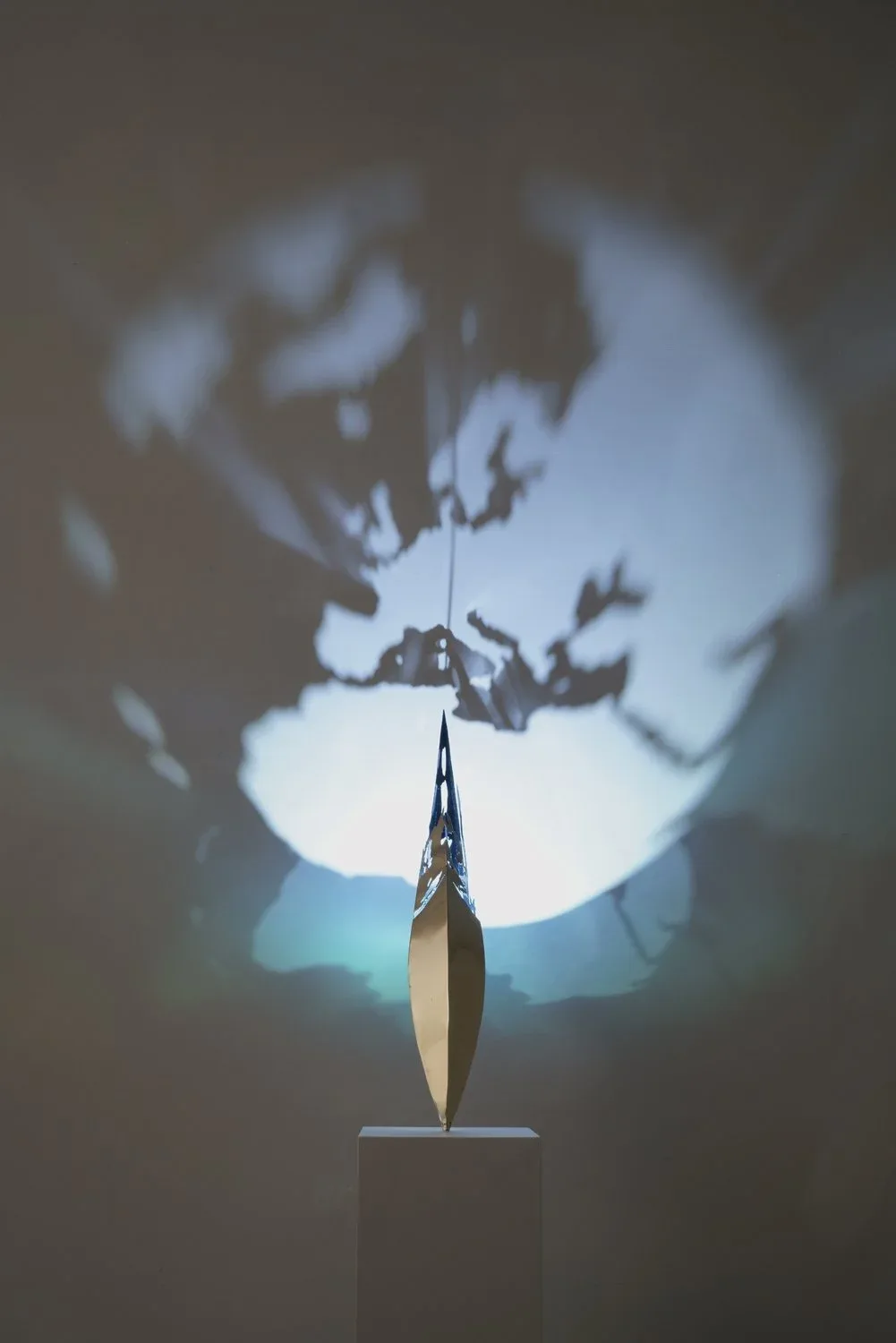
Between Italy and the United Kingdom
AnotherStory is rooted in the style of Italian craft — in a tradition of aesthetic care, narrative sensibility and artisanal attention that runs through cinema, architecture, design and the culture of making. But it is born in the United Kingdom, and draws particular inspiration from London: a city where creative industries meet international networks, where cultural institutions set global standards, and where independent voices can find an echo.
This is not merely an aesthetic identity. It is a position that holds both mission and vision. The space between Italy and the UK — between Mediterranean light and Atlantic weather, between heritage and innovation, between the particular and the global — is also where our editorial perspective is formed. It shapes the artists we are drawn to, the territories we explore, the questions we ask.
The Journal will move between these two poles and beyond. It will follow stories wherever they lead — from the Scottish Highlands to the Cabot Trail in Nova Scotia, from a gallery in Naples to another in Cologne. Geography, for us, is not a limit. It is a language without borders.
What we mean by curation
The relation between what we see and what we know is never settled.
An overused word. We use it with care.
For us, to curate is not simply to select. It is the act of creating relationships between things that did not know they were related. A film and a landscape. An artist and a tradition. A building and the memory it holds. Curation is the practice of making visible connections that would otherwise remain invisible — and of presenting them in a way that invites those who look, read and listen to see something they had not seen before.
This is what the Journal does. Every portrait, every essay, every curated path is an act of connection. We do not review. We do not rank. We do not explain art. We encounter it, contextualise it, and offer it to the reader with the same care with which it was made.
And in doing so, we are also holding a position — quietly, through the work itself — in favour of a way of engaging with culture that is neither academic nor promotional, neither distant nor uncritical. A way that begins with looking. That takes time with what it finds. That trusts the reader and meets them along the path of discovery. And, much like a slow journey, lets itself be guided by the wonder of the unexpected, by the beauty of chance, by the road — not the destination.
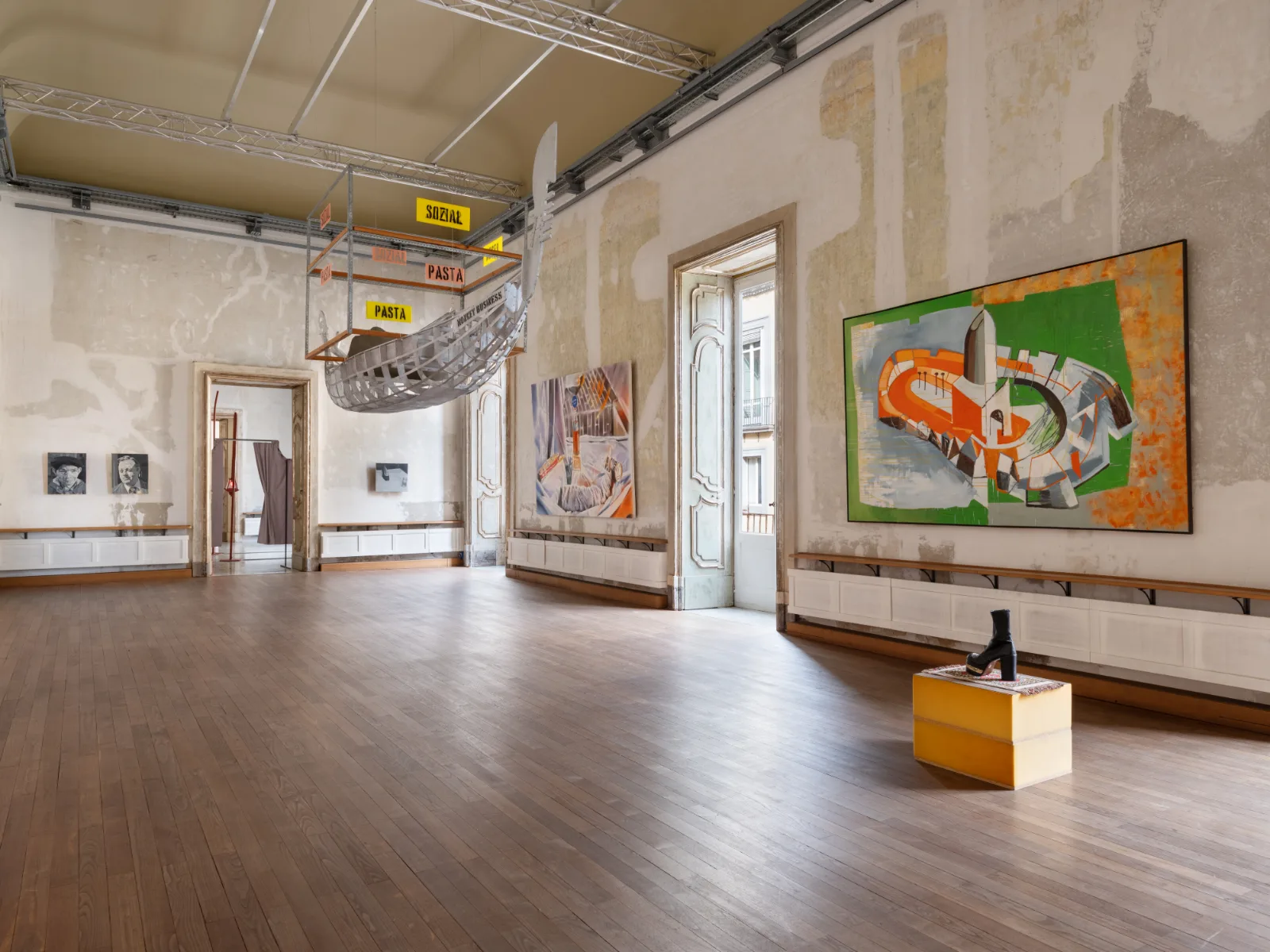
An open house
The Journal is not a closed space. It is an invitation to come in, and to stay.
If you are a filmmaker, a visual artist, a storyteller — your work may find a home here. If you are an institution, a festival, a gallery — our editorial practice may give your work new life in new contexts. If you are a reader — you are already part of this.
We believe that the cultural platforms destined to endure are not those that speak the loudest, but those that know how to listen best. The Journal is our way of listening — to the artists we meet, the places we cross, the images that stay with us when everything else fades.
I am accustomed to consider literature a search for knowledge.
This is AnotherStory. Another way of seeing. Another way of telling. And now, another place to read.
The Journal is part of the AnotherStory ecosystem, alongside our streaming platform AnotherStory Film.