We Are the Revolution.
The Story
Some galleries represent artists. Some galleries change the way a city sees. Studio Trisorio has done both for over fifty years.
Born with Light
The gallery was founded in 1974 by Pasquale and Lucia Trisorio, and its first exhibition was a solo show by Dan Flavin. Light, from the very beginning: fluorescent tubes humming in a Neapolitan interior, redefining the relationship between art and space in a city that had known Caravaggio's chiaroscuro but had never seen anything quite like this.
In the decades that followed, Studio Trisorio became one of Italy's most significant spaces for contemporary art, working across every medium before the categories existed to name them. Visual art, photography, video art, installation, performance. The gallery did not follow movements. It anticipated them.
Villa Orlandi: A House for Artists in Anacapri
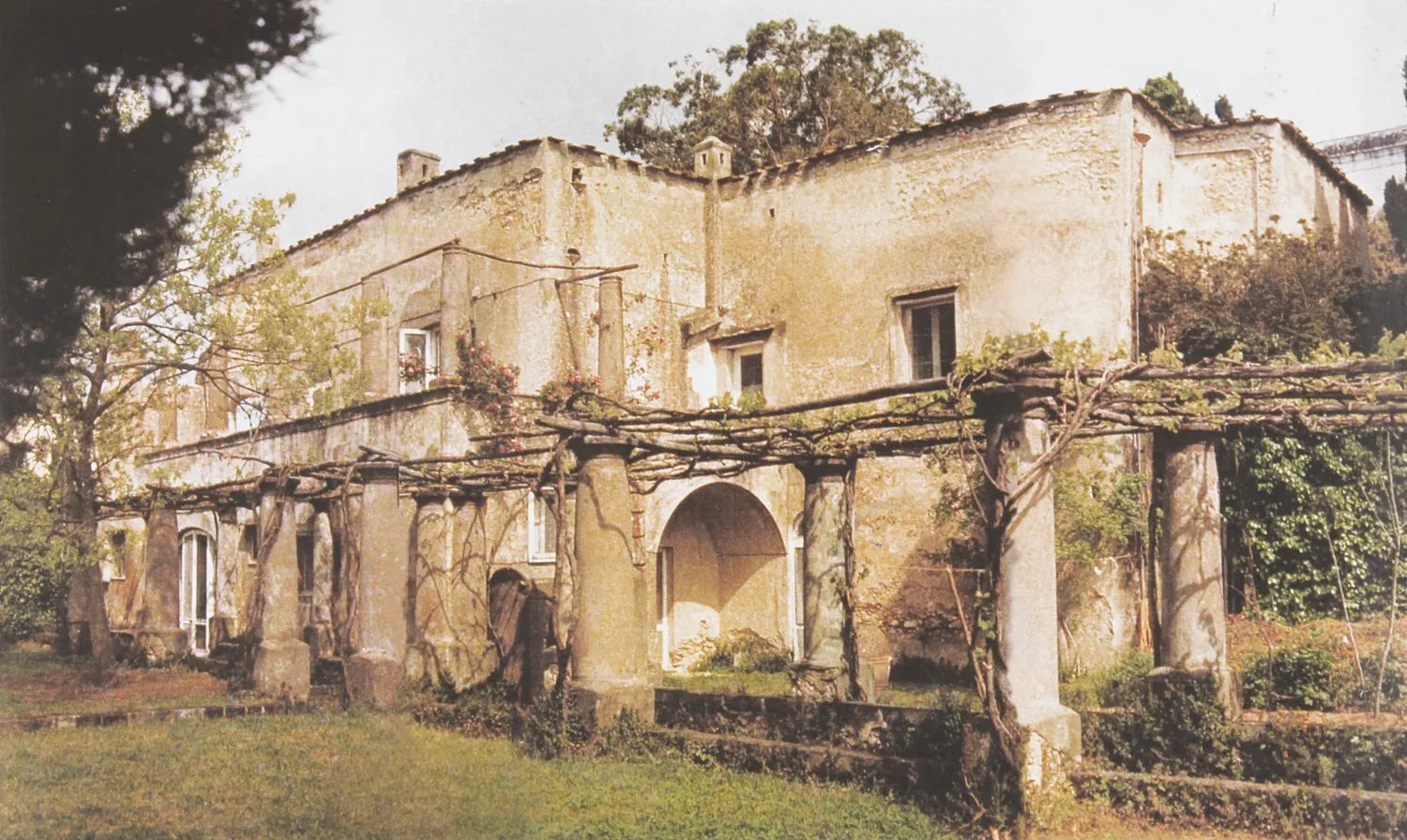
The Trisorio family did not only run a gallery. For nearly twenty years, from 1970 to 1989, they opened Villa Orlandi in Anacapri to a community of artists, critics, curators and museum directors. It was not a residency programme in any formal sense. It was a home, opened to those who needed a place to work, think and be together.
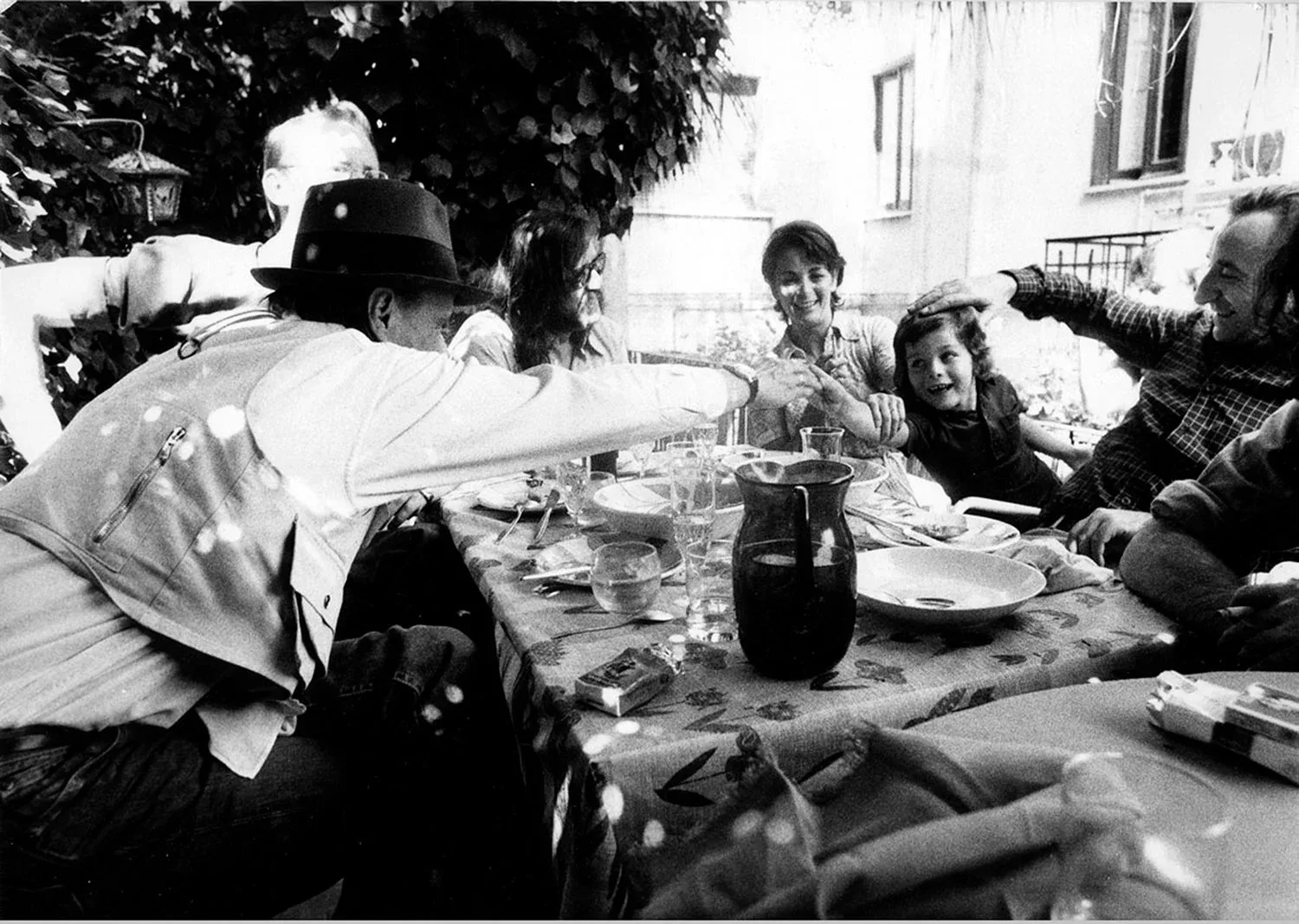
Cy Twombly stayed there. So did Jannis Kounellis, Joseph Beuys, Mario Merz, Sol LeWitt, Cindy Sherman. In 1971, in the villa's entrance path, Beuys created the iconic work La rivoluzione siamo Noi, a life-size photograph of himself walking towards the viewer with the determination of someone who has decided that art is not separate from life. The guest book of Villa Orlandi reads like a history of post-war art. The photographs that survive from those years show artists at ease: eating, talking, looking at the sea, making work in the spaces between meals.
There is something in this story that resonates with what we do at AnotherStory. A house for stories, a house for artists. The impulse to open a door and invite people in, not because there is a programme to follow but because the encounter itself is the point.
The Firsts: Photography, Video Art, and the Instinct to Arrive Early
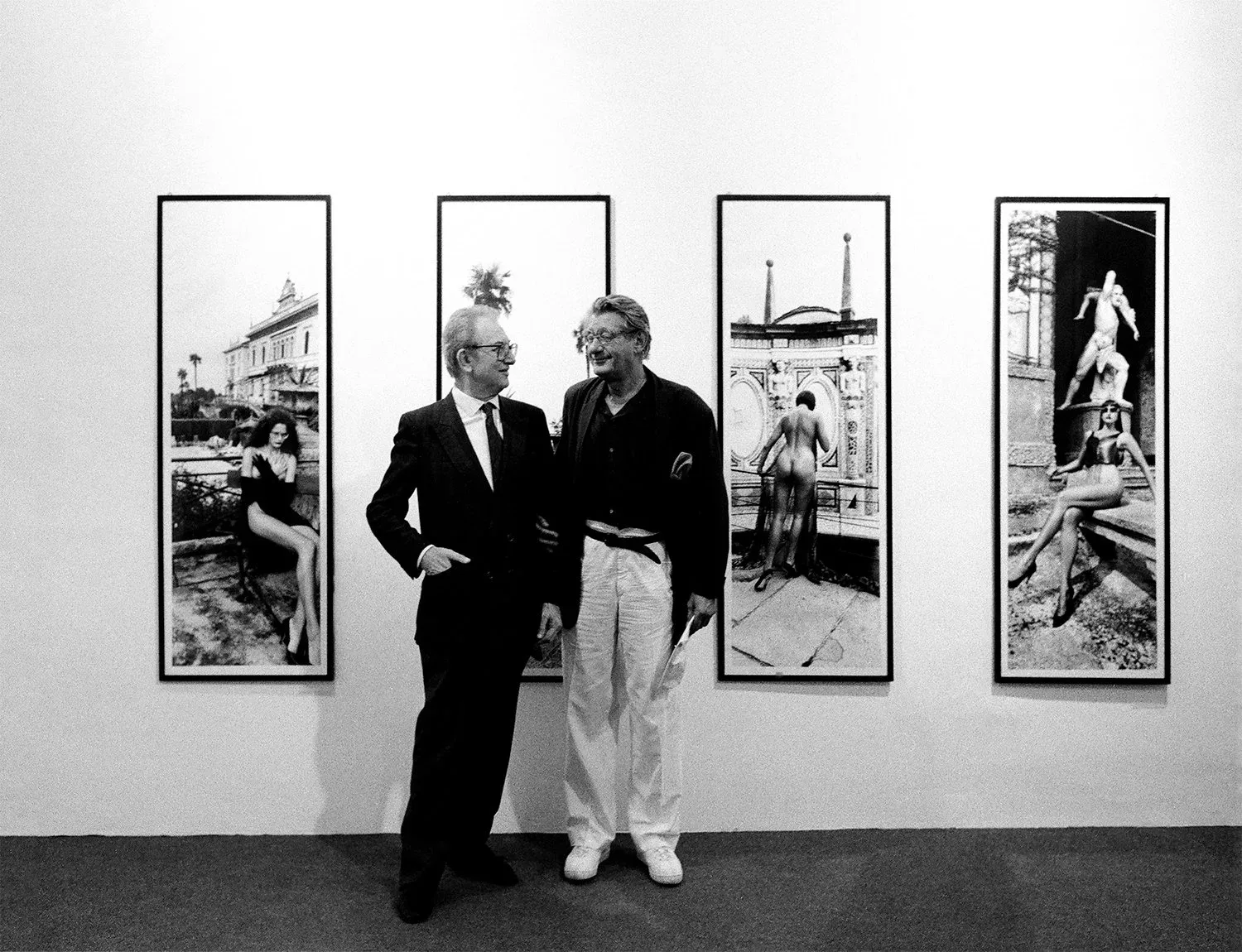
Studio Trisorio has a history of arriving before anyone else. In the 1970s, the gallery was among the first in Italy to exhibit photography as art, with shows by Bill Brandt, Mimmo Jodice, and Jan Saudek. In the years that followed: Helmut Newton, Luigi Ghirri, Gabriele Basilico, William Eggleston, Martin Parr, Dorothea Lange, Sebastião Salgado. At a time when most galleries treated photography as documentation, Studio Trisorio treated it as a language.
In the early 1980s, the gallery organised an International Review of Video Art, presenting early experiments by Vito Acconci, Alighiero Boetti, Christian Boltanski, Daniel Buren, Bruce Nauman, Nam June Paik, Giulio Paolini, and Bill Viola. This was before video art had a name, before museums had dedicated departments for it, before anyone knew what it would become. The Trisorios knew. Or rather, they sensed it, which is perhaps the more accurate word for what a great gallery does: it senses what matters before the world has decided to agree.
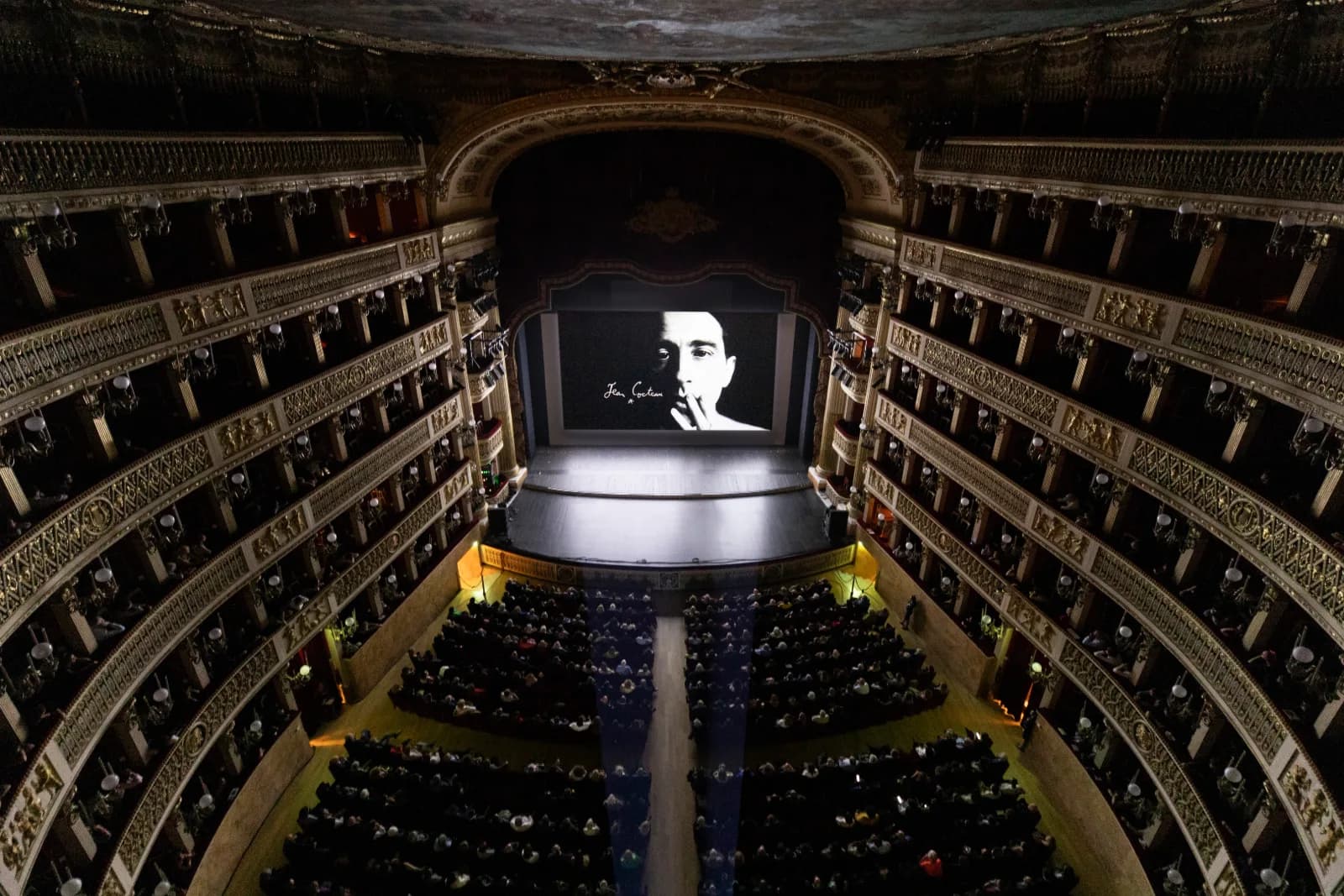
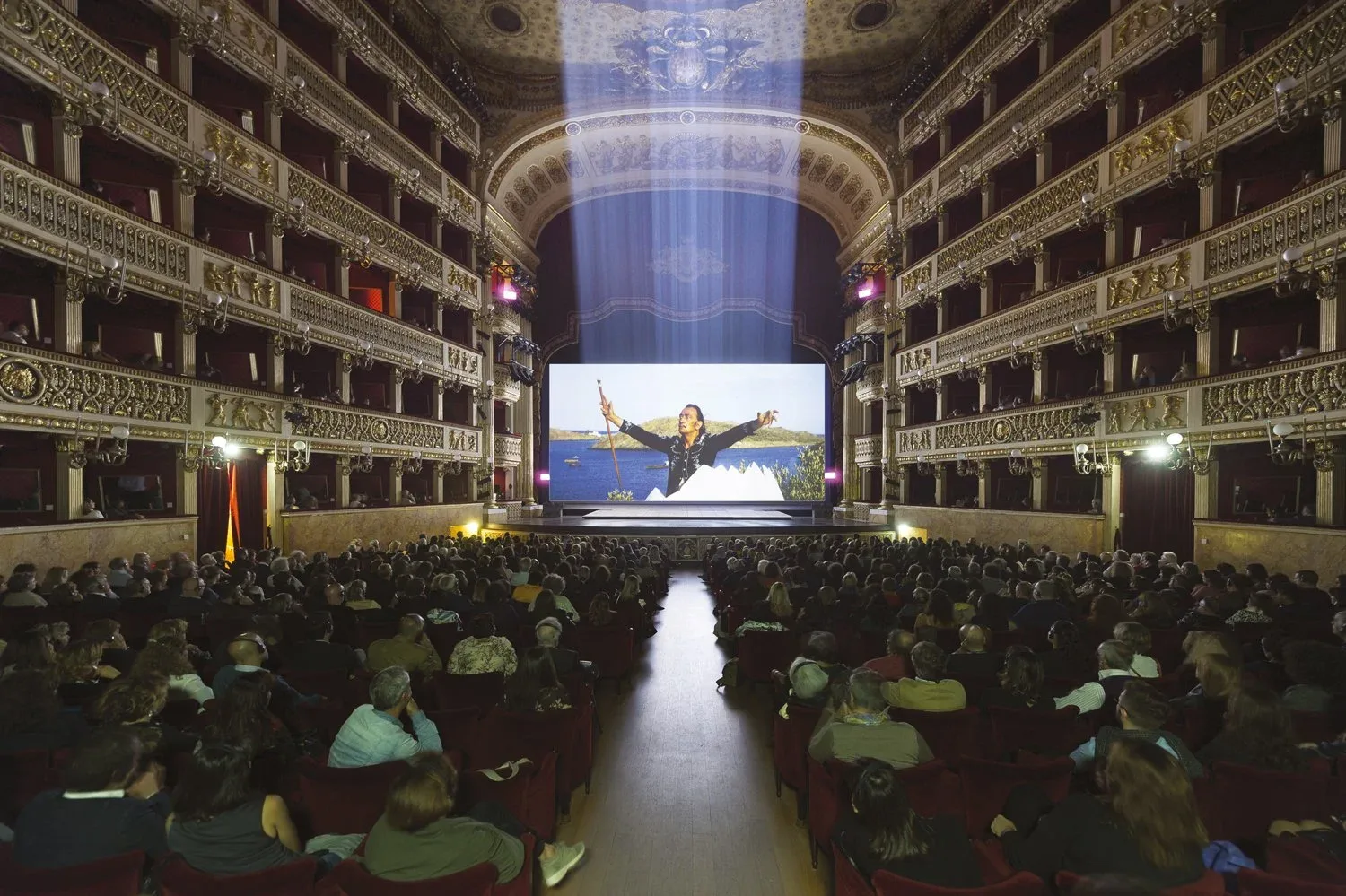
And in 1996, Laura Trisorio founded Artecinema, the international festival of film on contemporary art. Thirty editions, over 7,000 spectators per year, screenings at the Teatro San Carlo and the Teatro Augusteo, and a principle that has never changed: admission is free. A gift to the city.
Laura Trisorio and the Gallery Today
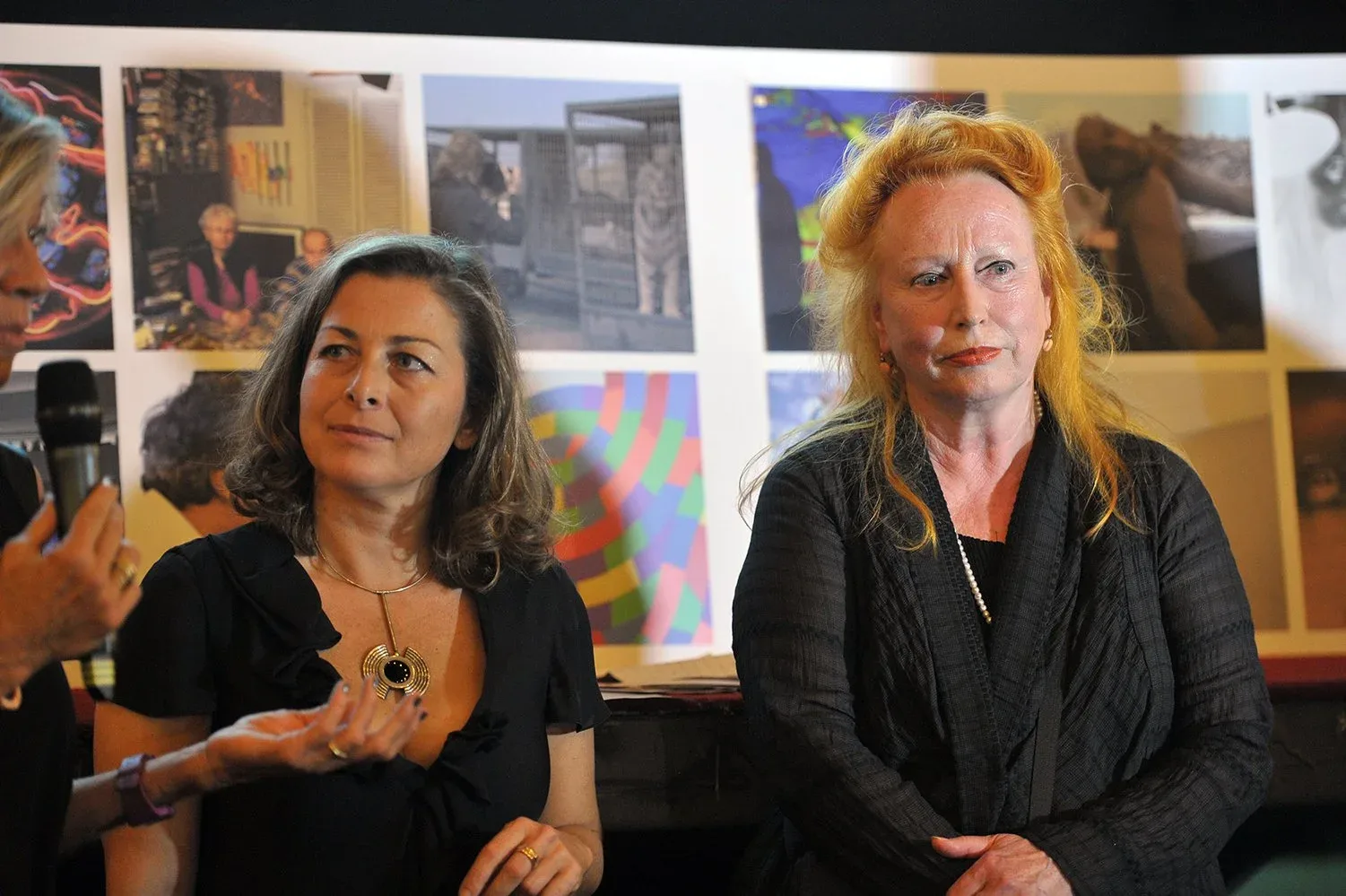
Under the direction of Laura Trisorio, the gallery gained a new impulse. Collaborations with artists such as Ettore Spalletti, Lawrence Carroll, Rebecca Horn, Daniel Buren, Jan Fabre, Louise Bourgeois, Jenny Holzer and Francesco Arena brought new energy and international reach. The cycle Incontri sensibili at the Museo di Capodimonte, curated by Laura Trisorio and Sylvain Bellenger, placed works by Bourgeois, Fabre and Christiane Löhr in dialogue with the museum's historical collections: contemporary art meeting its own ancestry, in the rooms of one of Europe's great museums.
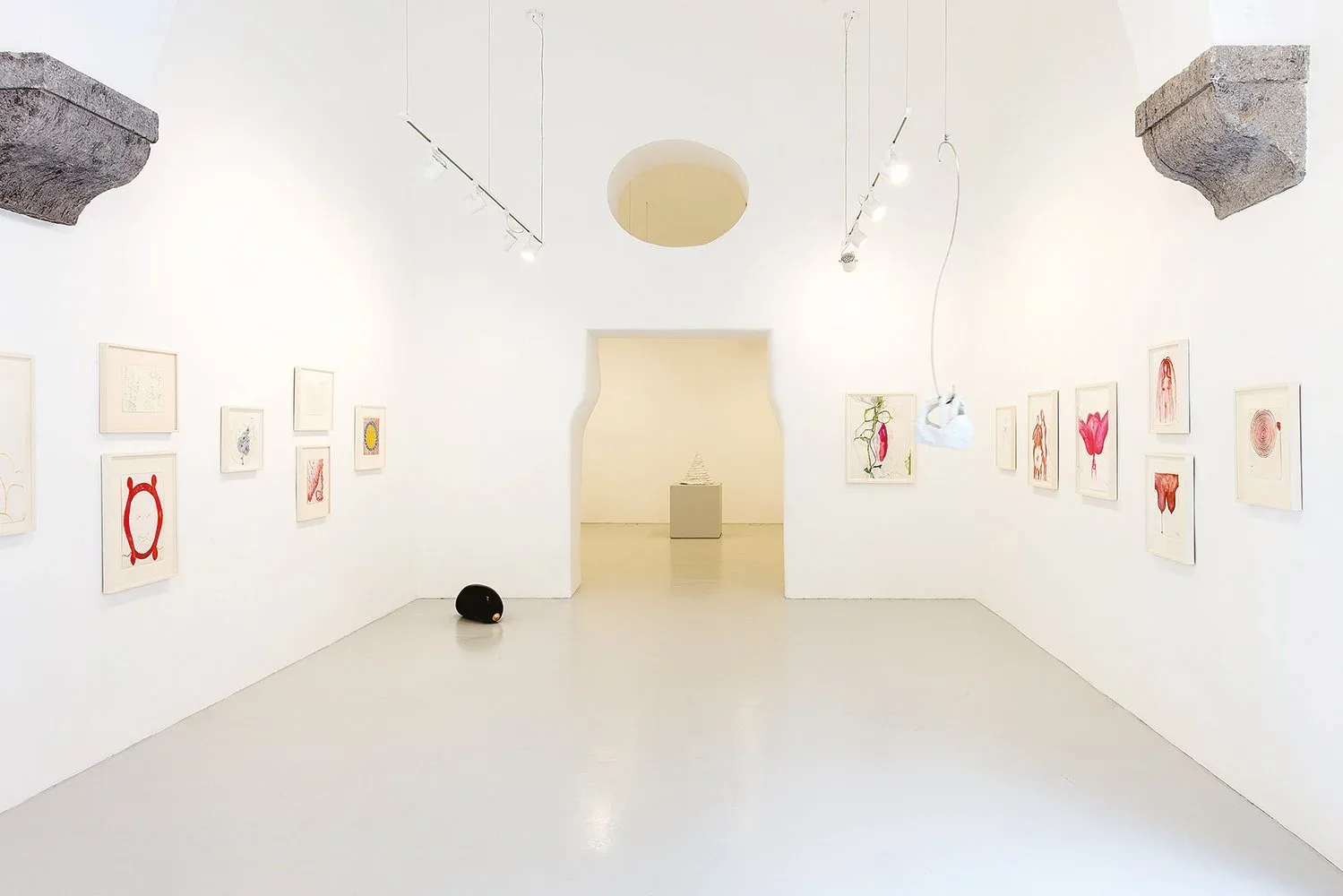
Today the gallery operates from three spaces in Naples: Riviera di Chiaia 215, the historic home of both the gallery and Artecinema; Via Carlo Poerio 110; and Via Carlo Poerio 116. Its roster includes Louise Bourgeois, Daniel Buren, Jan Fabre, Jenny Holzer, Rebecca Horn, Martin Parr, Felice Varini, Francesco Vezzoli, Fabrizio Corneli, and a constellation of Italian and international artists who share a commitment to rigour, experimentation and the belief that art can change the way people see.
Art, Film and Editorial Storytelling: A Shared Conviction
AnotherStory's relationship with Studio Trisorio begins with a recognition. We share the conviction that art, film, and editorial storytelling are not separate disciplines but different ways of attending to the same things: how artists think, how they work, why what they make matters, and how it reaches the people who need to see it.
We have created a Curated Path on our platform dedicated to Studio Trisorio: a space where the films, portraits, essays and editorial notes that we produce in dialogue with the gallery and its artists come together as a single, navigable collection. Each piece exists independently in the Journal or on the platform, but together they form a curated journey through the gallery's world, its exhibitions, its history, and the ideas that run through everything it does.
The path is open. It will grow as the collaboration grows. What we can say now is that we are drawn to Studio Trisorio not by coincidence but by a shared sense of purpose: the belief that art deserves to be seen, told, and shared with the same care with which it was made.