CatalogJournal

Crafted in Italy,

inspired in London,

shared worldwide

AnotherStory is a startup in development/pre-launch. Not yet commercially operational.

Contribute

2025 Anotherstory ®

Anotherstory Lab LTD

hello@anotherstory.film

— Curated Path

Studio Trisorio

One of Italy's most important contemporary art galleries, founded in Naples in 1974. Films, essays and editorial notes produced by AnotherStory in dialogue with Studio Trisorio and its artists.

Naples·6 films·4 texts·in partnership with Studio Trisorio

A Curated Path is a single navigable journey built with a cultural institution, where films, essays and editorial notes are woven into one body — not a catalogue, but a way of seeing.
  1. Home
  2. ›Collections
  3. ›Studio Trisorio

Editorial note

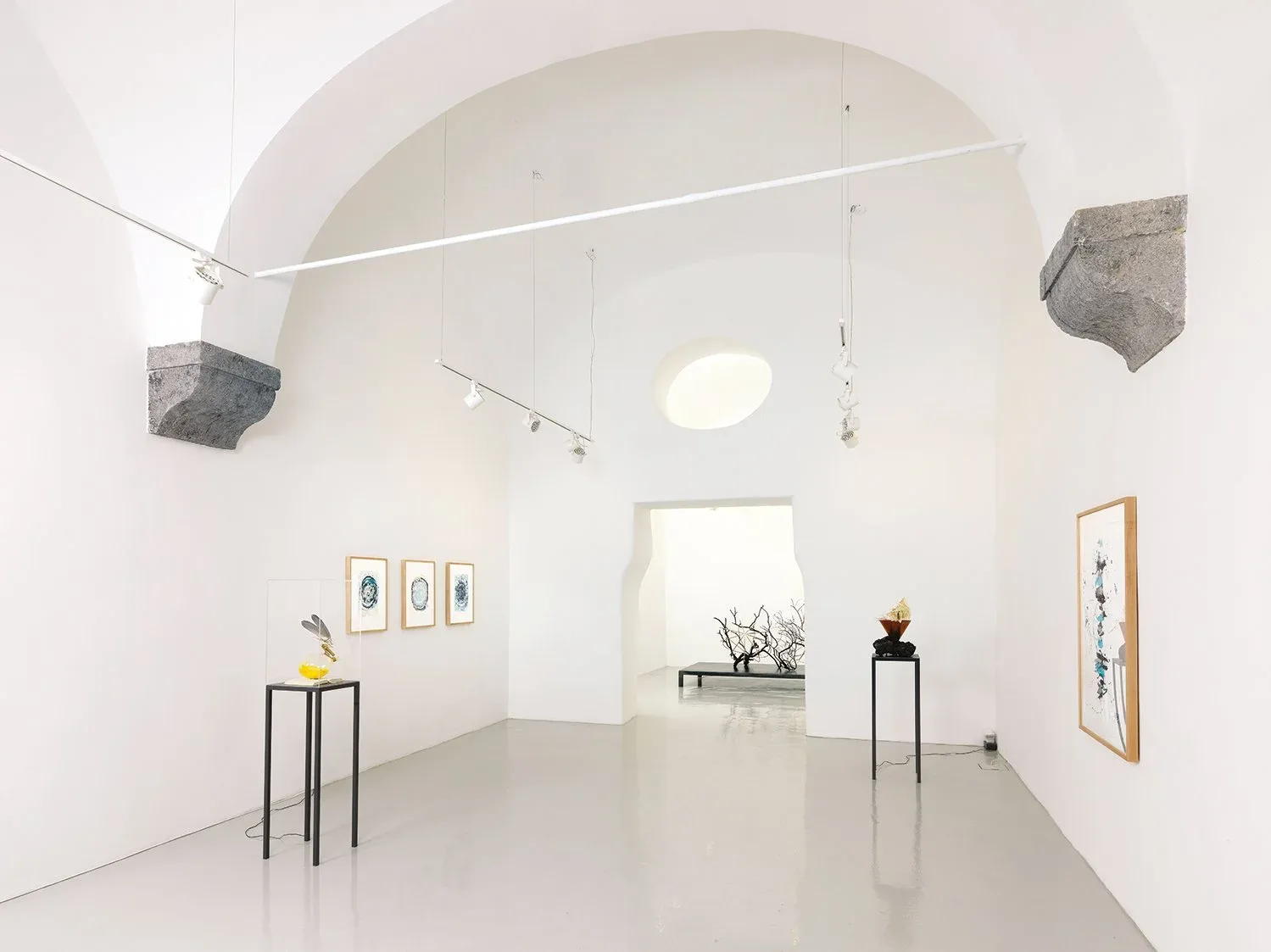
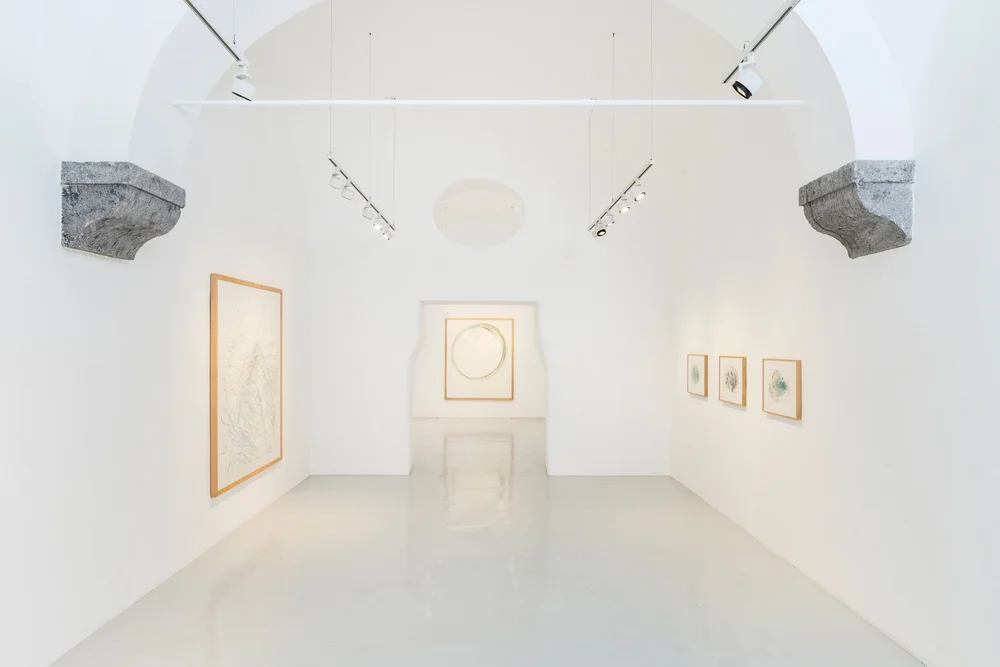
Riviera di Chiaia 215, Naples. Since 1974. Three gallery spaces, an international roster that includes Louise Bourgeois, Daniel Buren, Jan Fabre, Jenny Holzer, Rebecca Horn, Felice Varini, Francesco Vezzoli, Fabrizio Corneli, Lawrence Carroll, Ettore Spalletti, Christiane Löhr, Francesco Arena, Gregorio Botta, and photographers such as Helmut Newton, Luigi Ghirri, Gabriele Basilico, William Eggleston, Martin Parr, Dorothea Lange, Sebastião Salgado. And Artecinema: thirty editions of the international festival that brought art to the screen and the screen to the city, with free admission as a gift to Naples.

AnotherStory's relationship with Studio Trisorio begins with a recognition. We share the conviction that art, film, and editorial storytelling are not separate disciplines but different ways of attending to the same things: how artists think, how they work, why what they make matters, and how it reaches the people who need to see it. A gallery that opened its doors with Dan Flavin's light in 1974, that hosted Joseph Beuys and Cy Twombly at Villa Orlandi in Anacapri, that was among the first in Italy to exhibit photography as art and video art as a language, and that invented a festival to bring contemporary art to the widest possible audience, is a gallery that shares our deepest conviction: that art has no barriers of genre, medium or access, and that the way we tell its stories shapes the way a city, a culture, a society learns to see.

This Curated Path is the space where that shared conviction takes form.

What You Will Find Here

Films Video portraits of artists exhibited at Studio Trisorio, produced by AnotherStory and available on AnotherStory Film.

Essays Long-form pieces in the Journal exploring exhibitions, artistic practices and the ideas behind them.

Notes Shorter editorial pieces: signals from the art world, dispatches from the Lab, impressions and observations connected to the gallery's programme.

Visual Trajectories Curated photo sequences and visual narratives from exhibitions and events.

Each piece exists independently in the Journal or on the platform, but together they form a single path: a curated journey through the gallery's world, its exhibitions, its history, and the ideas that run through everything it does.

The path is open. It will grow as the collaboration grows.
Films, essays and editorial notes produced in dialogue with one of Italy's most important contemporary art galleries.

The path

Follow the path

One stop at a time — each film with the writing made alongside it, ending at the gallery. The markers on the left chart where you are in the journey.

  1. Watch

    Fabrizio Corneli - The measure of light

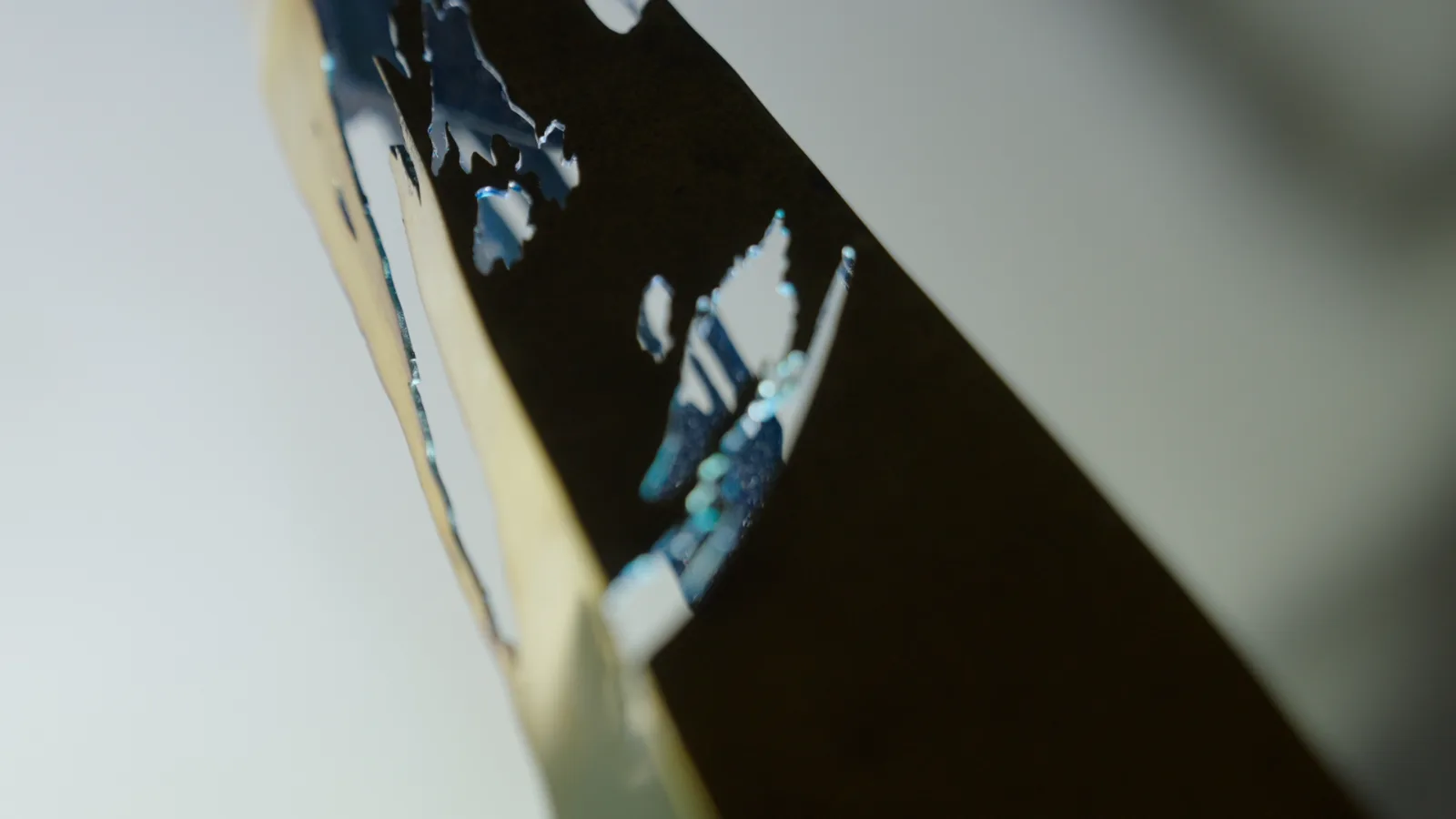
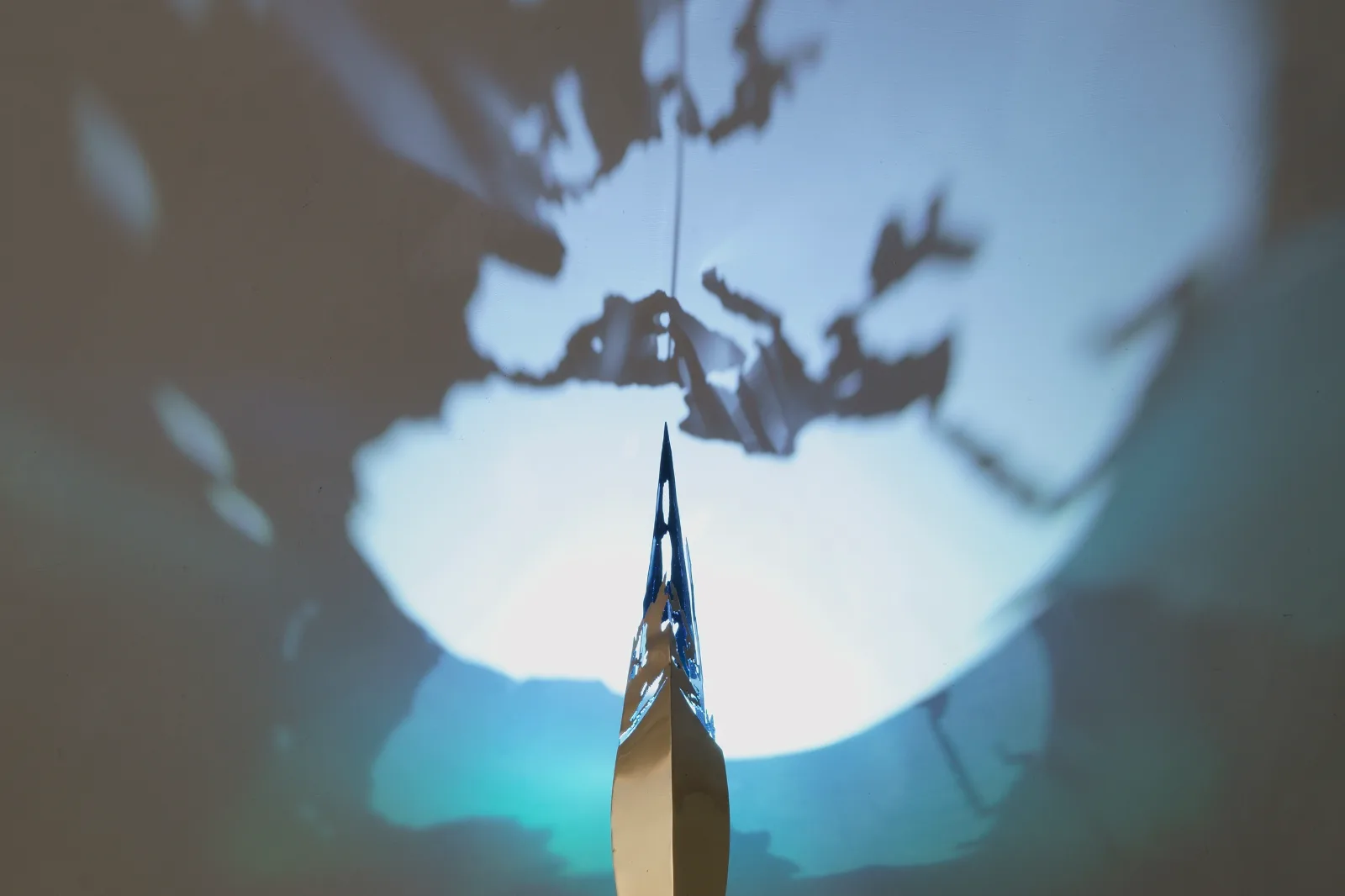
    Fabrizio Corneli has worked with light for over forty years. His sculptures remain silent until a beam strikes them — then a figure, a globe, a face appears on the wall, made entirely of shadow. At Studio Trisorio, Naples.

    Fabrizio Corneli - The measure of light

    2026 · Italy · 06:13

    • Subtitles EN
    Watch the film
    Scroll

    Out of path — Focus on

    Fabrizio Corneli

    Fabrizio Corneli

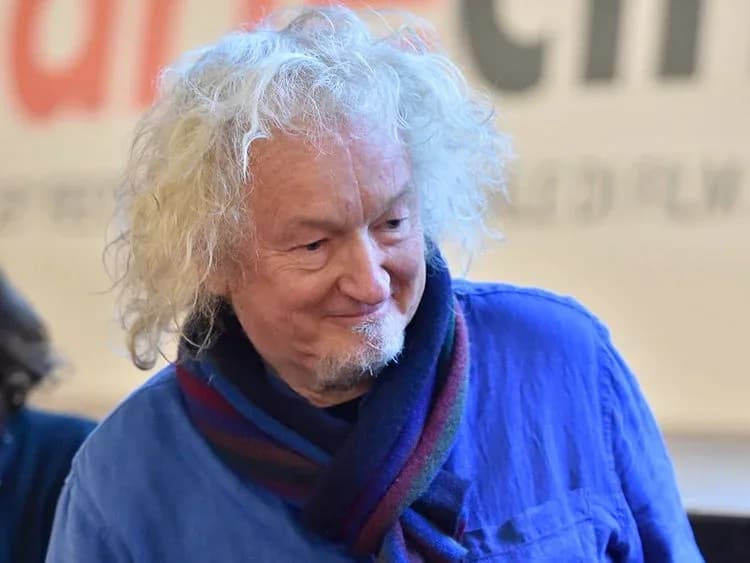
    Fabrizio Corneli was born in Florence on 21 March 1958. He studied at the Accademia di Belle Arti, graduating in 1980, and attended courses in semiotics at the University of Bologna. In 1979 — a year before his degree — he was already showing light and shadow works at the Palazzo delle Esposizioni in Rome.

    For over forty years, Corneli has built a singular practice at the intersection of optics, geometry and perception. His sculptures use precisely calculated light sources to project figurative images from abstract objects made of brass, copper, glass and carved natural forms. The image never exists on the object: it appears only as shadow, on the wall, through refraction and anamorphosis. He describes himself as the first spectator of his own work — each piece is designed mathematically, but the reflections and refractions that surround the projected image belong to the light alone.

    His work has been exhibited across Europe, Japan, the United States, the Middle East and South Korea, with permanent installations in Italy, Belgium, Germany and Qatar. Major venues include the Tokyo Metropolitan Museum of Photography, Palazzo delle Papesse in Siena, the Musée Granet in Aix-en-Provence, MAM Salzburg and the Círculo de Bellas Artes in Madrid. His relationship with Naples and Studio Trisorio spans over twenty years. "La misura della luce," his 2026 solo exhibition at Riviera di Chiaia, is the most recent chapter of that dialogue.

    He lives and works between Florence and Umbria.

    fabriziocorneli.net Represented by Studio Trisorio, Naples — studiotrisorio.com

  2. Read

    The measure of light: Fabrizio Corneli at Studio Trisorio, Naples

    In a darkened room in one of Naples' most important galleries, a small LED projects the shadow of a globe onto a wall. Fabrizio Corneli has spent forty-five years making art from light. What he controls least is what interests him most.

    The measure of light: Fabrizio Corneli at Studio Trisorio, Naples
    From the Journal — EssayRead the essay
    Scroll
  3. Watch

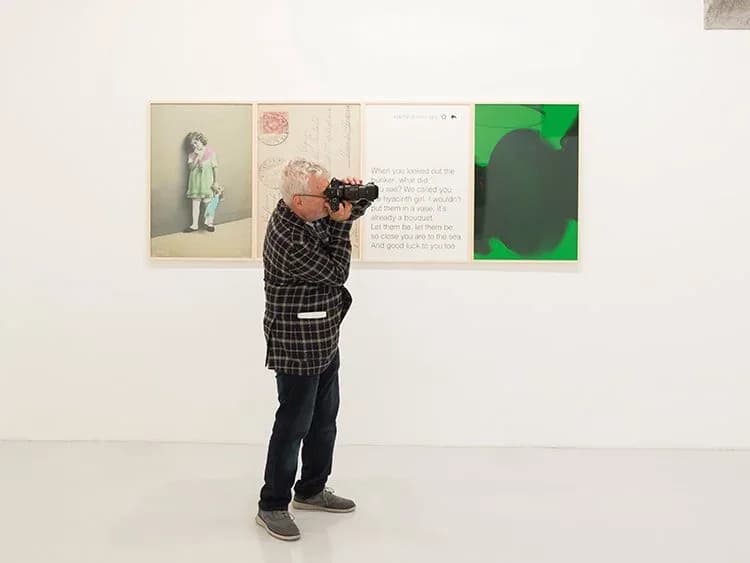
    Bill Beckley - Neapolitan Holidays

    A thousand postcards from Naples, a soldier from 1917, a boat ride to Capri. Bill Beckley returns to the city that has inspired him for decades — and lets its images rewrite his own.

    Bill Beckley - Neapolitan Holidays

    2019 · 03:40

    Watch the film
    Scroll

    Out of path — Focus on

    BILL BECKLEY

    BILL BECKLEY

    Bill Beckley (born 1946, Hamburg, Pennsylvania) is a pioneering figure of Narrative Art — a movement that emerged in New York in the early 1970s as a counterpoint to the austerity of Minimalism and the dematerialization of Conceptual Art. Where those movements sought to reduce or eliminate the image, Beckley embraced it: as vehicle, as invitation, as the beginning of a story.

    His works combine large-format photographs with text, object, and found material, constructing open-ended narratives that resist resolution. Each piece is conceived as a possibility — a set of images and thoughts that activate the viewer's own memory, generating meanings that exceed the artist's original intention. The work, as Beckley has described it, begins to live its own story.

    Naples has been a constant presence in that story. Beckley first exhibited in the city in 1976 with Lucio Amelio, returning in 1979 and continuing a relationship with its galleries, collectors, and cultural life that has spanned nearly five decades. For an artist whose practice is built on the accumulation of images and the stories hidden inside them, Naples — layered, contradictory, inexhaustible — has proven an enduring source.

    Beckley studied at Kutztown University and Tyler School of Art, and taught for many years at the School of Visual Arts in New York. He has exhibited internationally and written extensively on art, aesthetics, and the nature of narrative.

  4. Watch

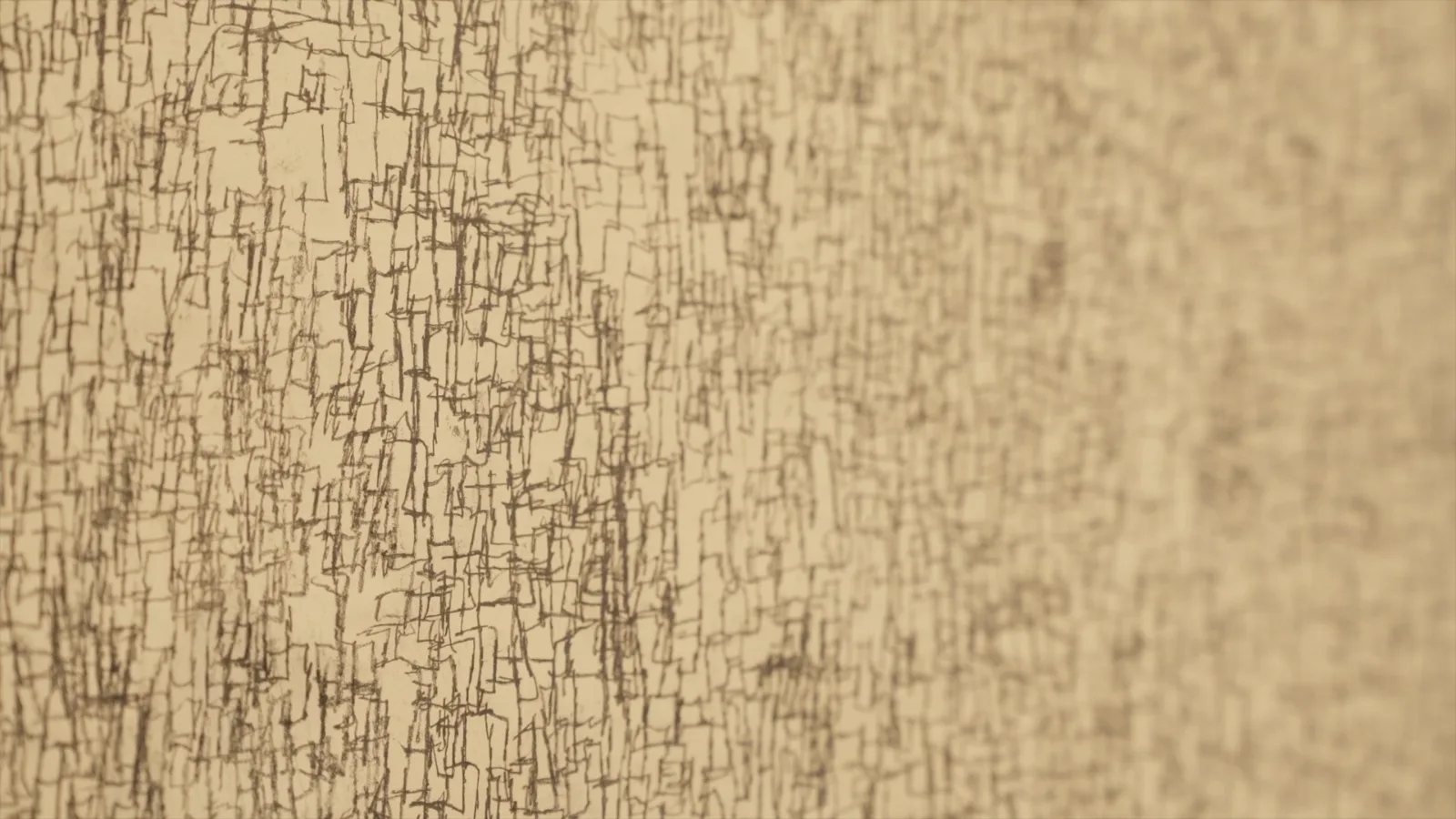
    Lawrence Carroll - Works on paper

    Folded canvases, old shoes, newspapers, fragments of wood — Lawrence Carroll recovers the ordinary and buries it beneath slow layers of wax and white, until memory and painting become one surface.

    Lawrence Carroll - Works on paper

    2022 · Italy · 3:07

    Watch the film
    Scroll

    Out of path — Focus on

    Lawrence Carroll

    Lawrence Carroll

    Lawrence Carroll (Melbourne, Australia, 1954 — Bolzano, Italy, 2019) was one of the most quietly radical painters of his generation. Born in Australia, raised in the United States, and based for much of his later life between New York and rural Italy, Carroll occupied a unique position in contemporary art — celebrated by institutions and collectors across Europe and America, yet consistently resistant to the currents of fashion and trend.

    His practice was rooted in the material life of everyday objects. Canvases were folded, stretched, and restretched. Shoes, newspapers, and fragments of wood were embedded into surfaces and gradually absorbed beneath accumulating layers of oil, acrylic, and wax — warm whites, occasional traces of color, the ghost of a texture breaking through. The objects were not hidden but preserved: their histories made visible through the very process of being covered.

    Carroll exhibited widely throughout his career, with solo shows at major galleries and institutions in Italy, Germany, the United States, and beyond. Studio Trisorio in Naples was among his closest and most enduring gallery relationships, hosting several exhibitions of his work over the years.

    He died in Bolzano in 2019. His work continues to be exhibited and collected internationally, and his influence on a generation of painters working at the intersection of materiality, memory, and abstraction remains quietly profound.

  5. Watch

    Roxy in the Box - Social Pop Mirabilia

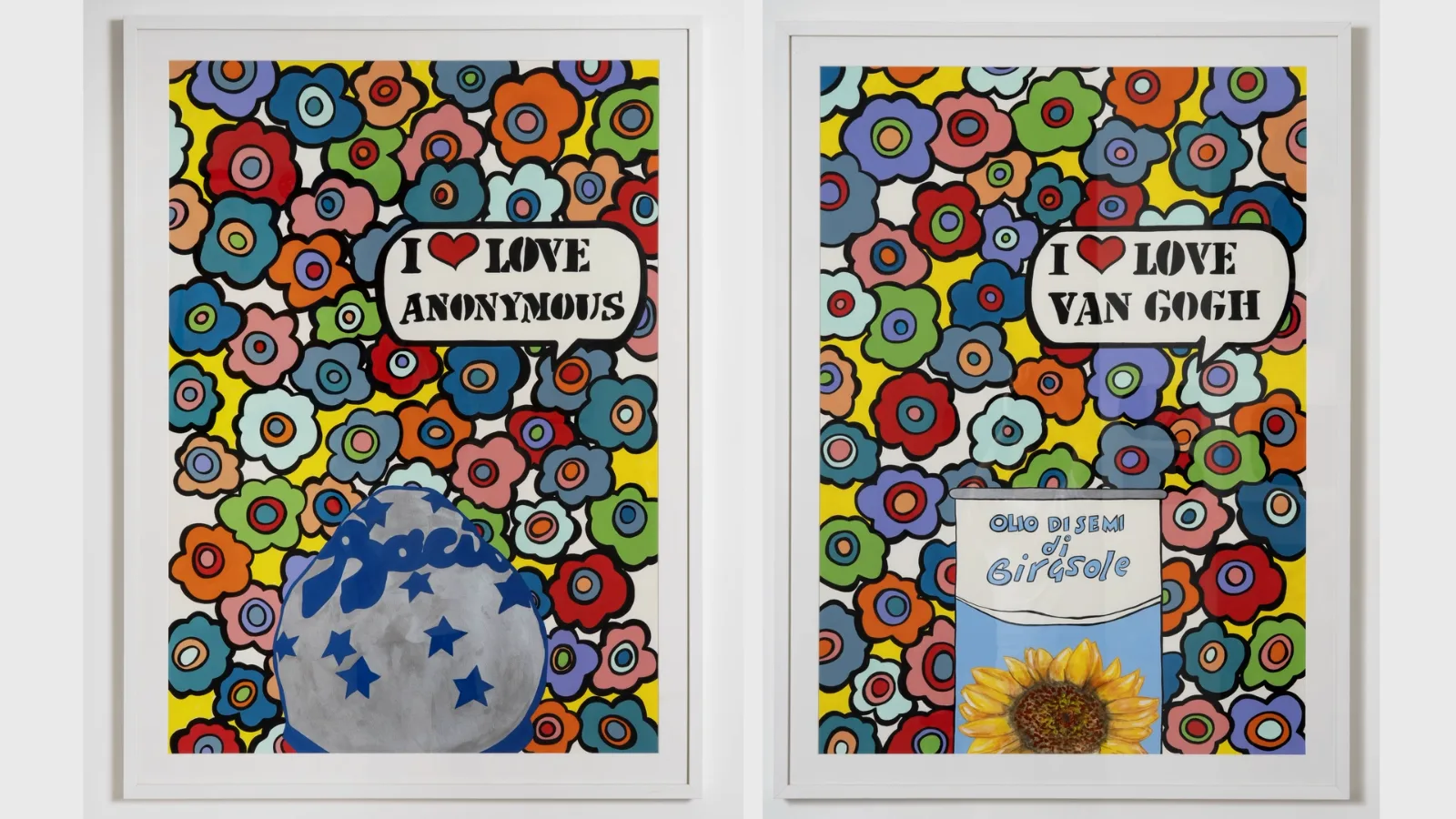
    Logos rewritten, food as loneliness, shells that glow at night, a Venus signed by women. Roxy in the Box brings twenty years of Social Pop onto the street — where art can finally be stumbled upon.

    Roxy in the Box - Social Pop Mirabilia

    2024 · Italy · 03:40

    • Subtitles EN
    Watch the film
    Scroll

    Out of path — Focus on

    Roxy in the box

    Roxy in the box

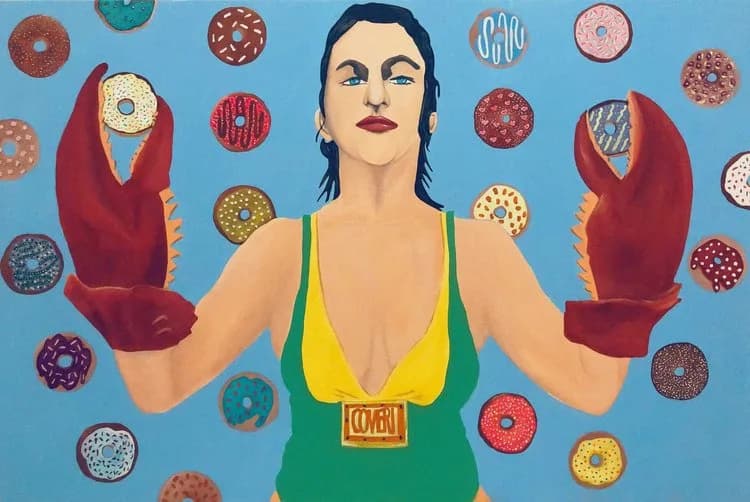
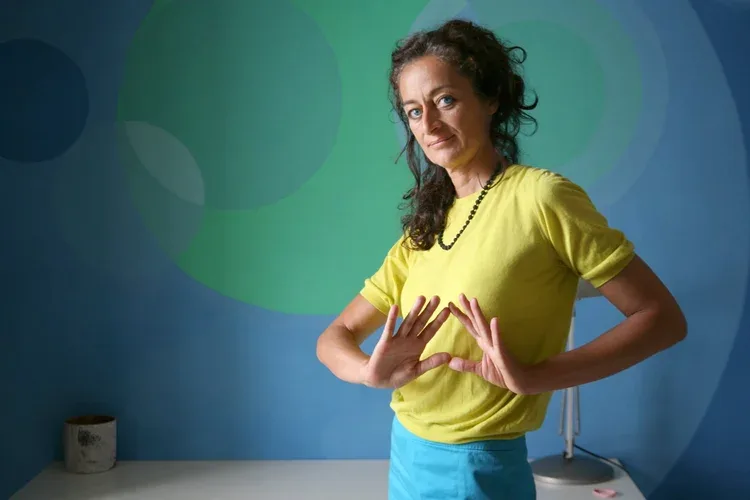
    Roxy in the Box is the artistic identity of Rossella Pretto, a Neapolitan artist whose practice has developed over more than two decades at the intersection of painting, installation, performance, and the languages of mass culture. Working under a name that is itself a declaration — a persona contained and uncontainable — she has built one of the most distinctive and consistently engaged bodies of work in the Italian contemporary art scene.

    Her practice is rooted in what she calls Social Pop: a visual language that appropriates the icons of advertising, consumer culture, and collective imagination — logos, symbols, brand identities — and subjects them to a process of rewriting and reinvention. The familiar is made strange, the commercial is made critical, the decorative is made political.

    Over the years her work has expanded to address food, gender, the body, and the structures of power embedded in everyday life. Works like Ti prenderei per le palle — a direct confrontation with patriarchy and the underrepresentation of women in contemporary art institutions — demonstrate a practice that is as formally inventive as it is politically committed.

    Naples is not merely her home but the ground of her work: a city whose visual density, contradictions, and street-level energy resonate deeply with an art that wants to be encountered rather than sought out. Her solo exhibition at Studio Trisorio in 2024, Social Pop Mirabilia, was a homecoming and a statement — an artist bringing twenty years of thinking onto the street, through a window, for anyone who happened to pass.

  6. Read

    Roxy in the Box

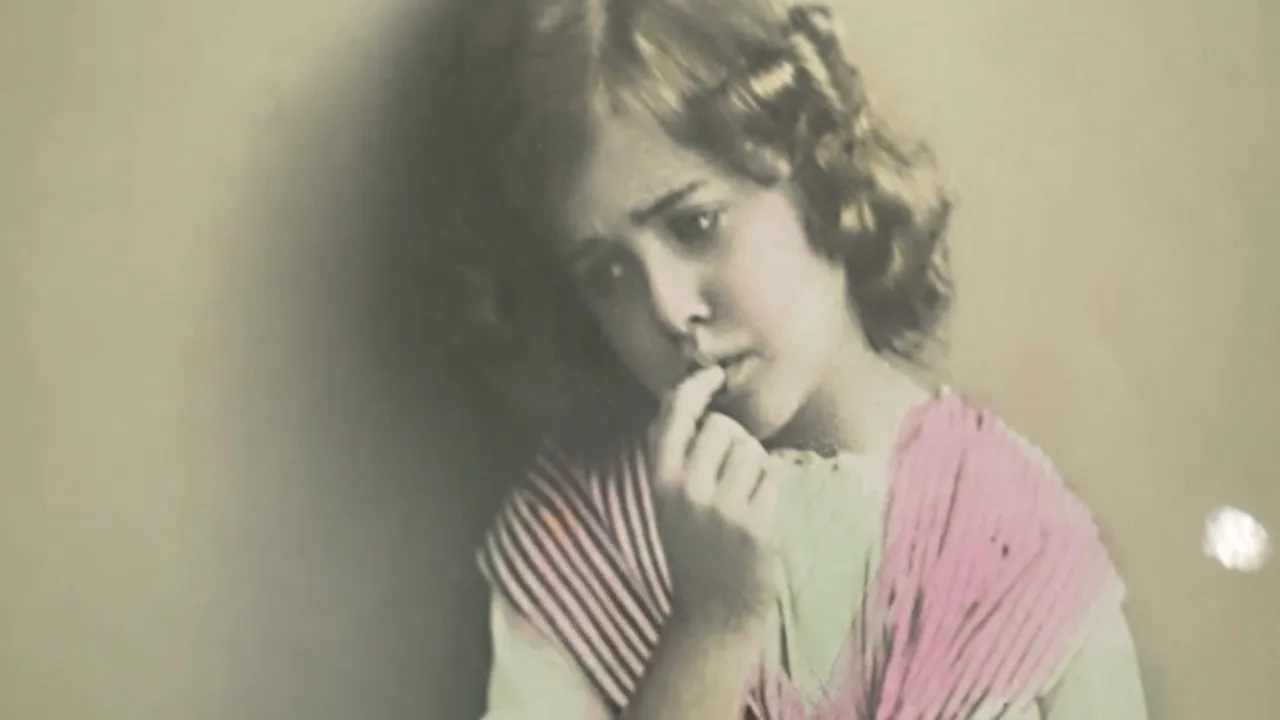
    Naples feeds her soul, but her art speaks to the world — a visual language woven from mass culture, cinema, advertising, comics, and the infinite iconography of collective imagination.

    Roxy in the Box
    From the Journal — Visual TrajectoryFollow the trajectory
    Scroll
  7. Watch

    Rebecca Horn - The state of the soul

    A body in dialogue with the cosmos. Lo stato dell'anima documents Rebecca Horn's exhibition at Studio Trisorio — a meditation on human relationships, nature, and the invisible energy that binds all living things.

    Rebecca Horn - The state of the soul

    2022 · Italy · 01:40

    Watch the film
    Scroll

    Out of path — Focus on

    Rebecca Horn

    Rebecca Horn

    Rebecca Horn (Michelstadt, Germany, 1944) is one of the most singular and influential artists of the past half century. Working across sculpture, performance, film, installation, and drawing, she has built a body of work that defies categorization — intimate and monumental, poetic and mechanical, deeply personal and cosmically scaled.

    Her practice began in the late 1960s with body extensions: wearable sculptures that amplified, constrained, or transformed the human form. Forced to spend a year in a sanatorium after suffering lung damage from working with polyester without protection, Horn used that period of isolation to develop her first works — objects that mediated between her body and the world she could no longer freely inhabit. That tension between confinement and expansion, between touch and distance, never left her work.

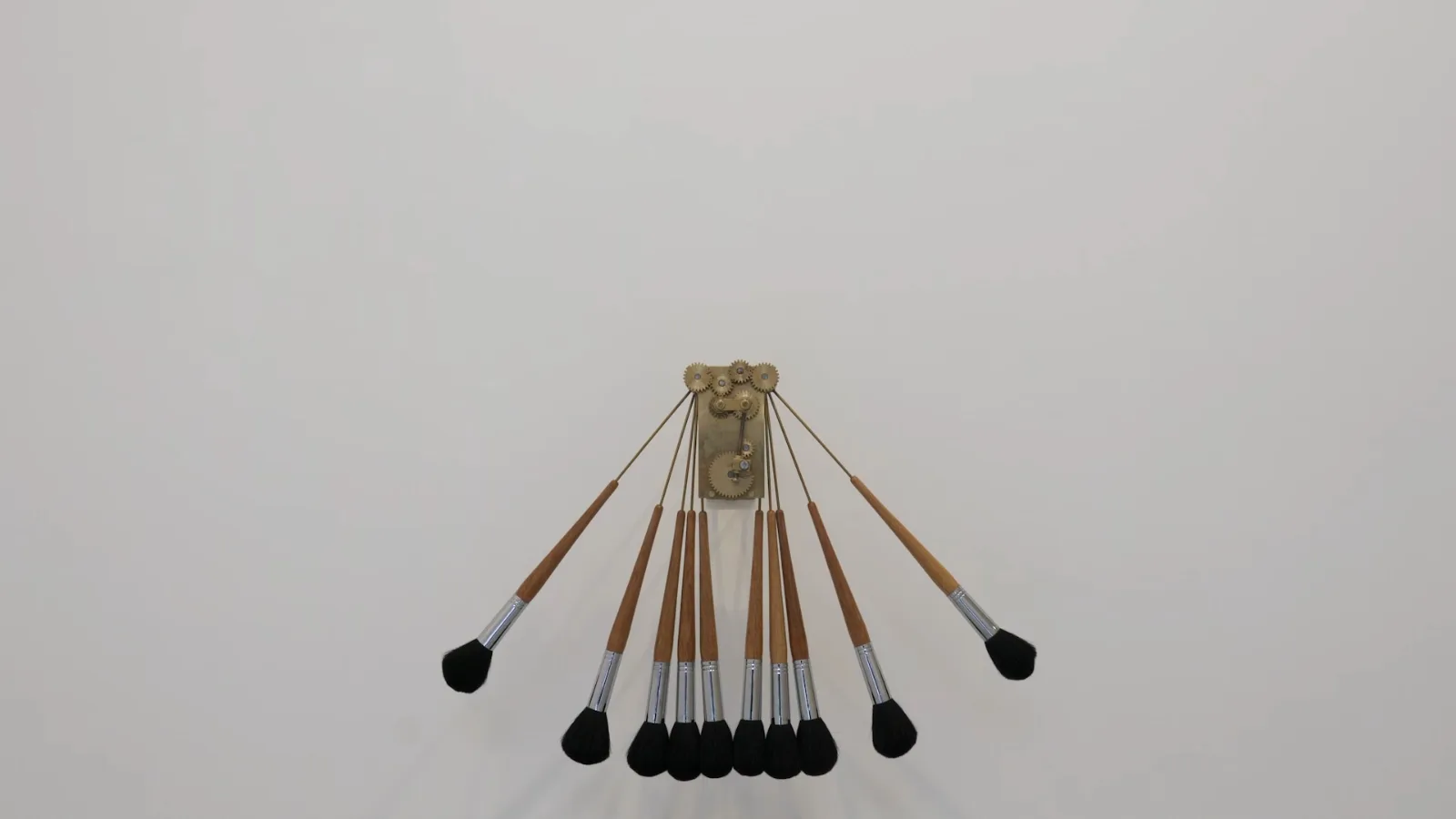
    Over the decades, her sculptures evolved into autonomous machines: pendulums that swing and scatter pigment, funnels that pour and overflow, feathers that caress empty space. These kinetic works operate on thresholds — between control and chance, silence and gesture, the organic and the mechanical. They seem to breathe. They leave traces.

    Horn has also made films — most notably Buster's Bedroom (1990) and La Ferdinanda (1981) — that extend her sculptural thinking into narrative space, blurring the line between body, architecture, and memory.

    Her work has been shown at the Venice Biennale, Documenta, the Guggenheim, the Tate, and major institutions worldwide. In 2017 she was awarded the Wilhelm Lehmbruck Prize, one of Germany's most prestigious sculpture prizes, in recognition of a practice that has fundamentally reshaped how we think about the body, the object, and the space between them.

  8. Watch

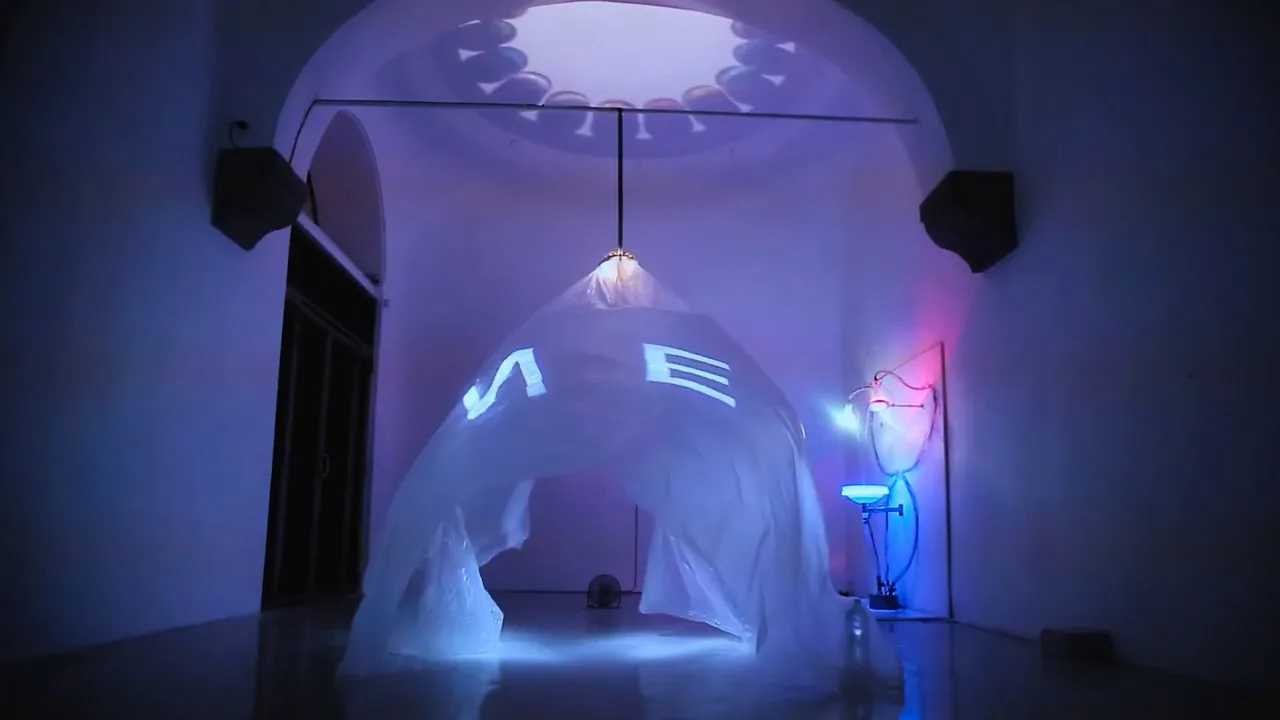
    Eulalia Valldosera - Plastic Mantra

    Body, water, plastic, memory — Eulalia Valldosera's Plastic Mantra moves through matter as through a living archive, where the sound of waves and the act of breastfeeding become the same gesture.

    Eulalia Valldosera - Plastic Mantra

    2016 · Italy · 05:25

    Watch the film
    Scroll

    Out of path — Focus on

    Eulalia Valldosera

    Eulalia Valldosera

    Eulalia Valldosera (born 1963, Vilafranca del Penedès, Catalonia) is one of the most distinctive and quietly radical artists working at the intersection of performance, installation, and video. Her practice is built on a fundamental conviction: that art is not made, but channelled — that the artist's role is to listen, to open, and to allow the invisible forces of matter, memory, and collective experience to pass through.

    Trained in Barcelona and active internationally since the late 1980s, Valldosera developed an early body of work centred on light, shadow, and the domestic space — projections that transformed everyday objects into charged presences, revealing the hidden architectures of intimacy and power. Over time, her practice expanded toward performance and ritual, drawing on the figures of the healer, the medium, and the archetypal artist as intermediary.

    Her works engage with memory at multiple scales: personal and ancestral, bodily and geological, local and planetary. Water, fire, organic matter, and synthetic materials recur as elements that carry meaning beyond language — substances that remember, that connect, that wound.

    Valldosera has exhibited widely across Europe and Latin America, with major presentations at institutions including the Museo Reina Sofía, Madrid, and the Fundació Antoni Tàpies, Barcelona. Her relationship with Studio Trisorio in Naples reflects a deeper affinity with a city — and a cultural milieu — attuned to the energies she works with.

  9. Read

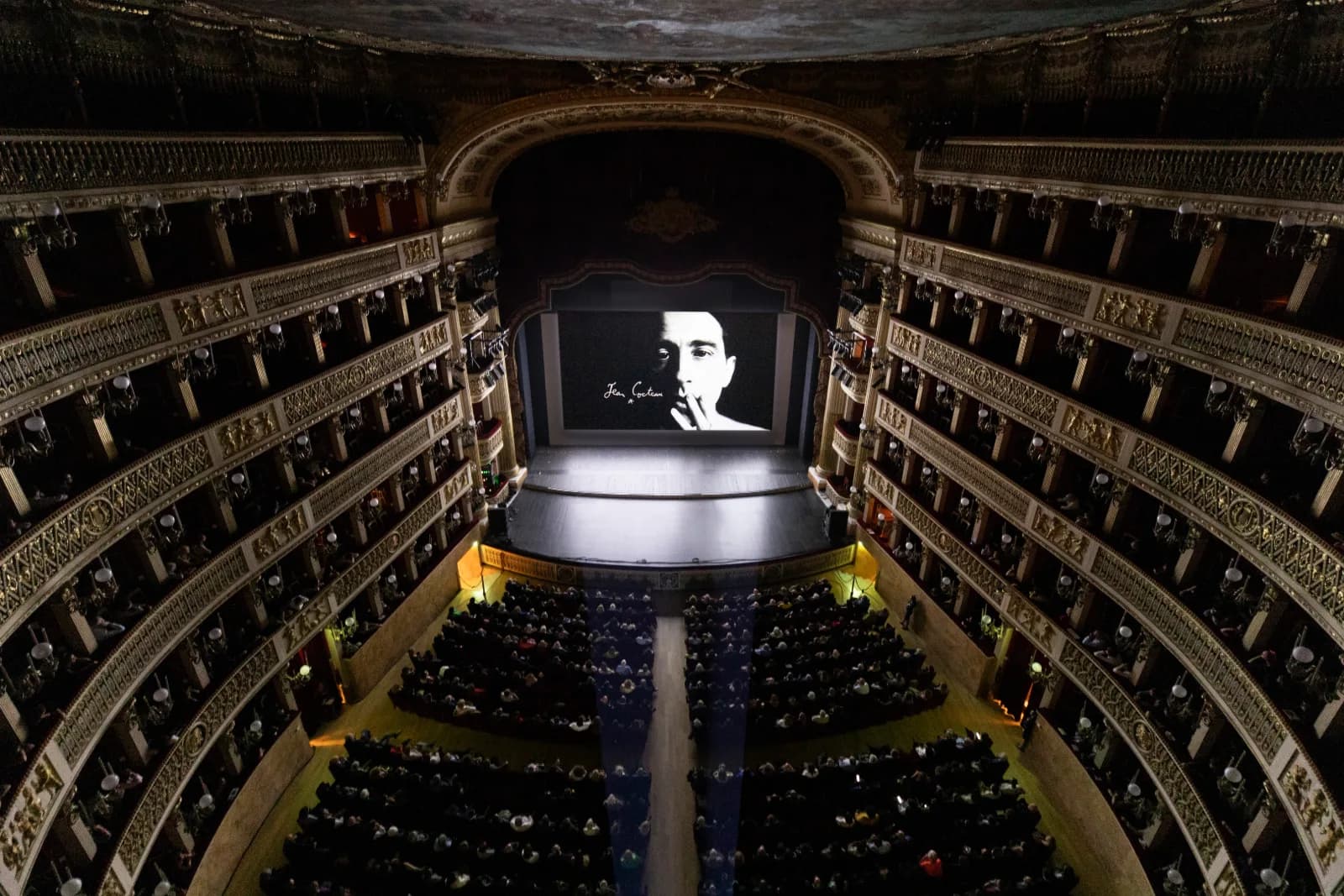
    Artecinema: Thirty Years of Art on Screen in Naples

    Since 1996, Artecinema has been bringing contemporary art to the screen in Naples. Thirty editions later, the festival founded by Laura Trisorio remains one of Europe's most important programmes of film on art, and one of the most generous: admission is free.

    Artecinema: Thirty Years of Art on Screen in Naples
    From the Journal — NoteRead the note
    Scroll
  10. Read

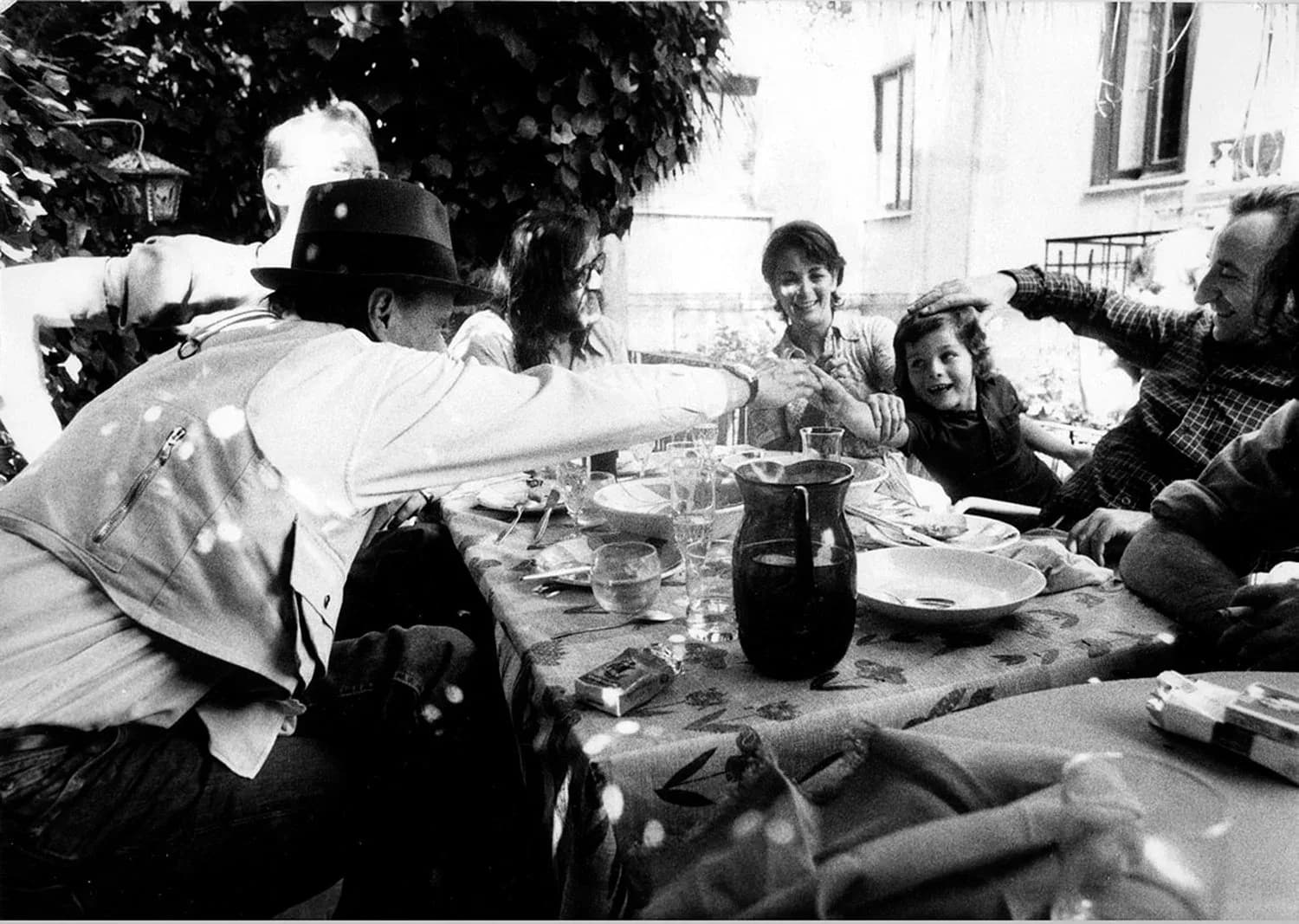
    Studio Trisorio: Fifty Years of Seeing Differently in Naples

    Founded in 1974 with a show by Dan Flavin, Studio Trisorio has spent fifty years changing the way Naples sees contemporary art. From the first photography exhibitions to the invention of Artecinema, from Villa Orlandi in Anacapri to three gallery spaces on the Chiaia waterfront, this is the story of a family, a city, and the conviction that art can reach everyone.

    Studio Trisorio: Fifty Years of Seeing Differently in Naples
    From the Journal — EssayRead the essay
    Scroll
  11. The end of the path

    In partnership with

    Studio Trisorio
    Visit website →

    Locations

    • Naples

      215 Riviera di Chiaia

    • Naples

      110 via carlo poerio

    • Naples

      116 via carlo poerio

    Contact

    • info@studiotrisorio.com
    • +39 081 414306

    Follow

    • Facebook
    • Instagram

Conversation

Comments

Sign in to join the conversation.

Loading comments...