The Myth
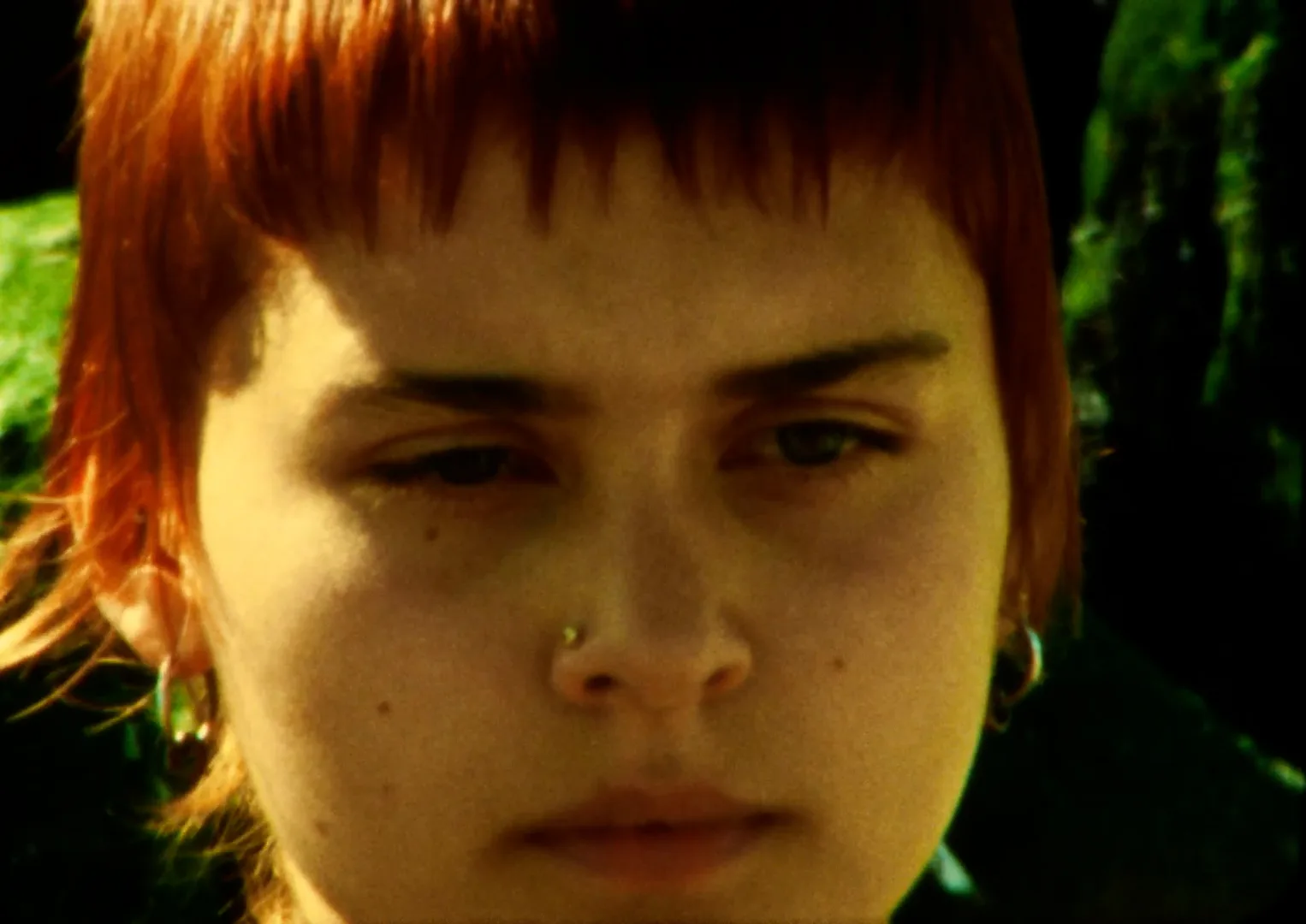
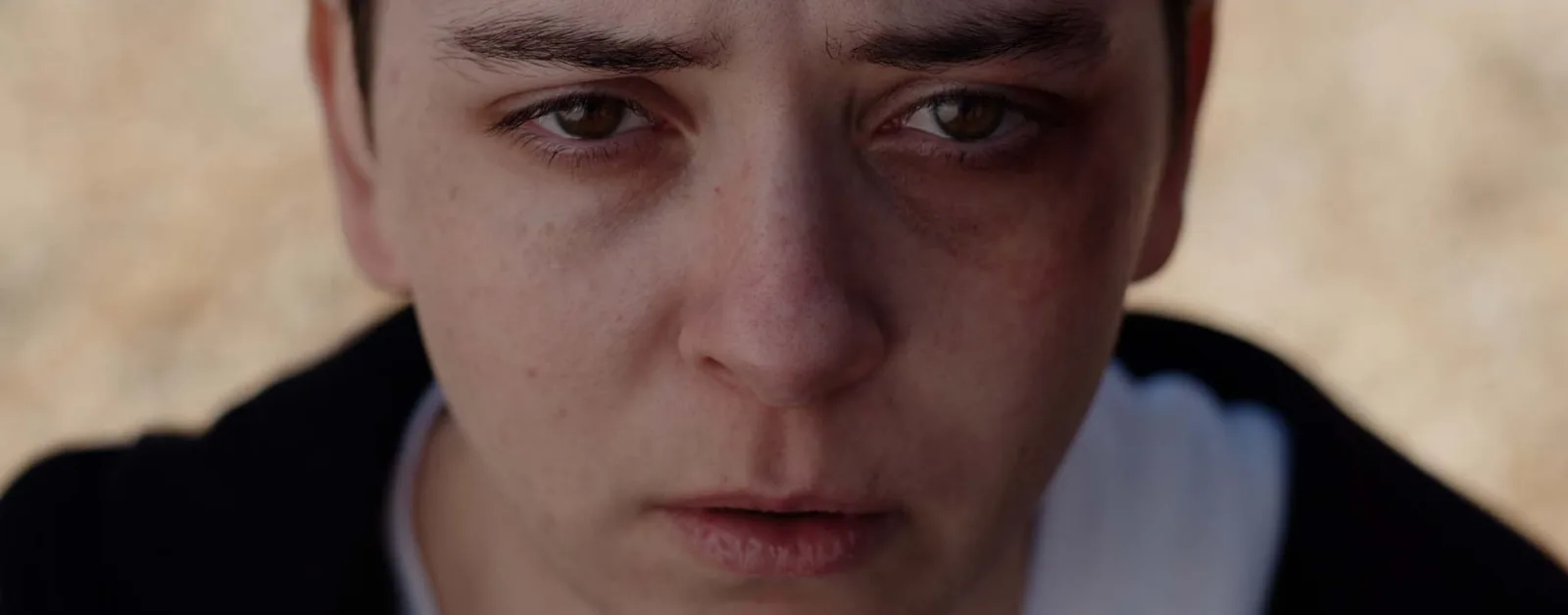
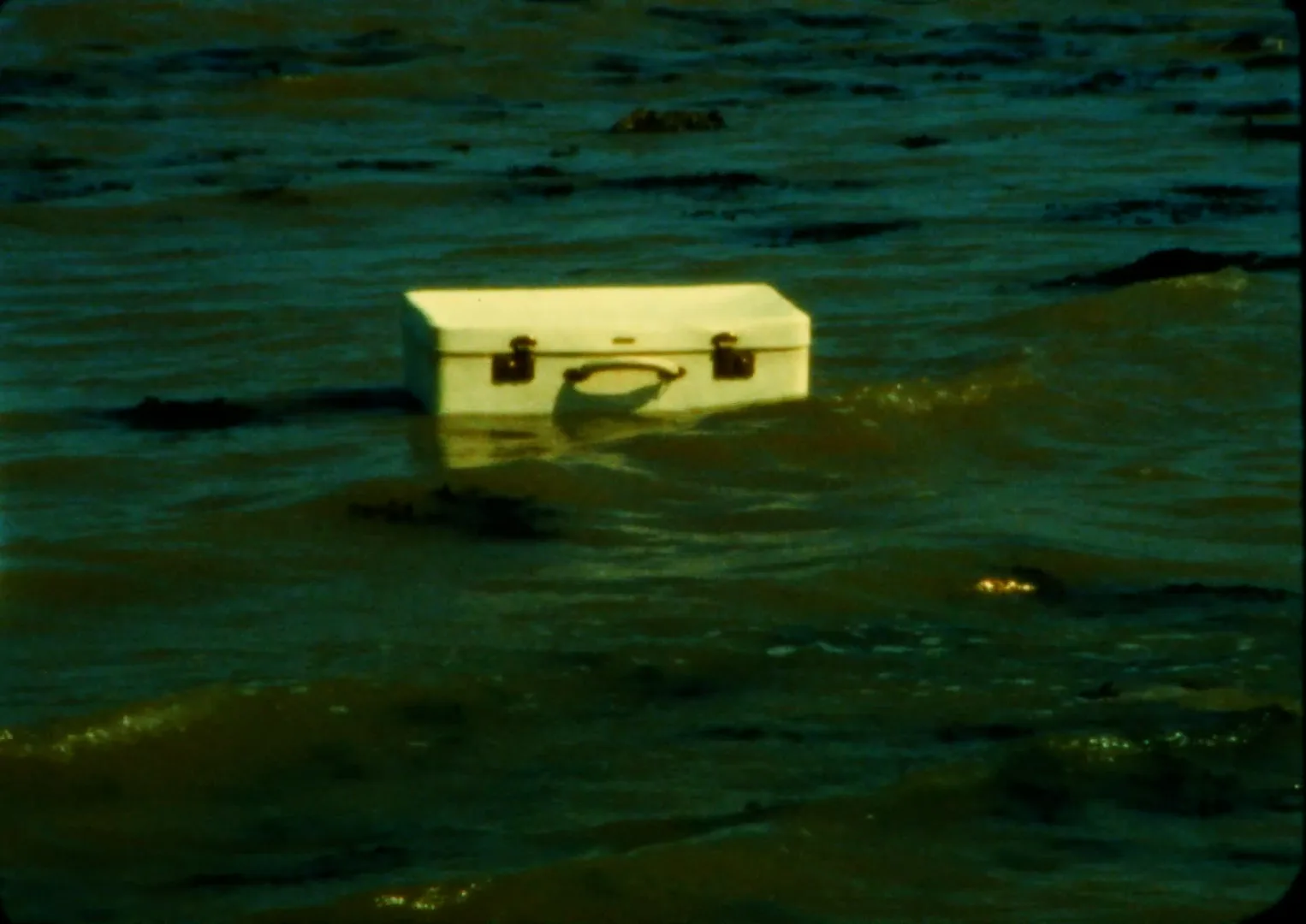
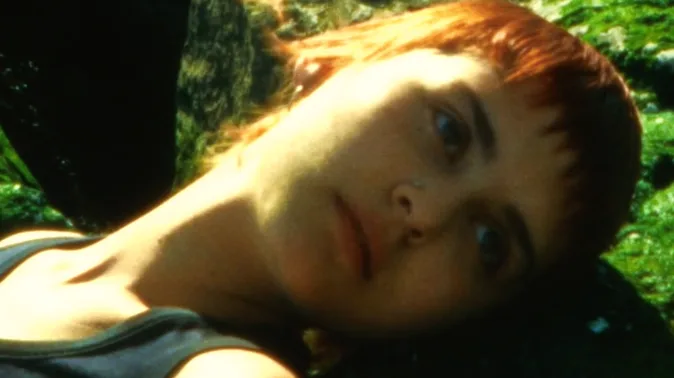
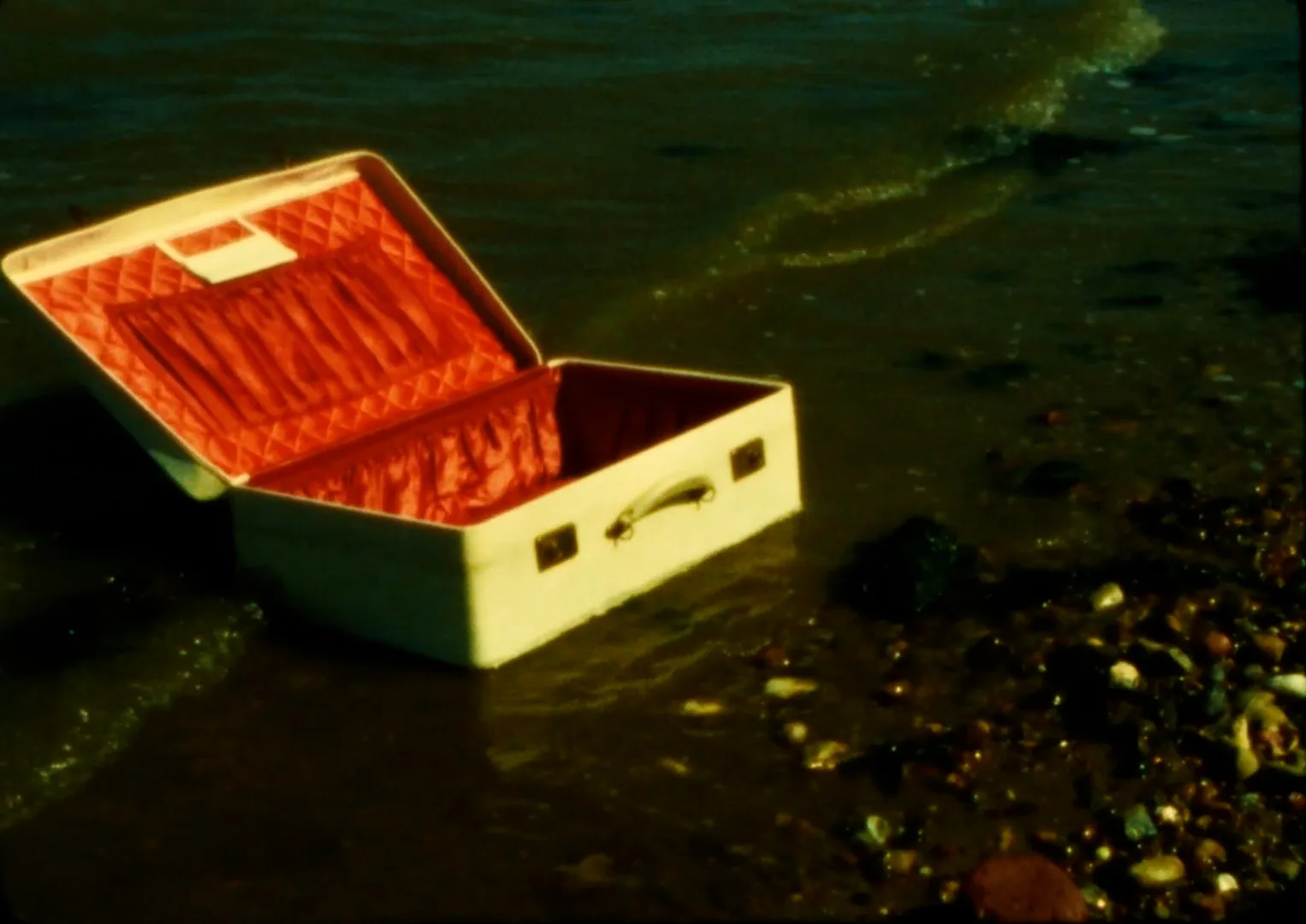
Perseus is one of the oldest hero stories we have: a child cast into the sea, a mirror turned against Medusa, a monster rising from the water. Jack Davies's film opens on a closed chest floating among the waves, which the sea carries to the shore. Anyone who knows the myth recognises it: it is the chest in which King Acrisius shut his daughter Danaë and the infant Perseus before entrusting them to the sea. The story, told in three minutes, in the present day and without a word, is entrusted to Rory Bakker-Marshall, who carries it entirely through body, gesture and presence, and this choice opens the myth to questions it had never been asked: who can be the hero, and what body a hero has.
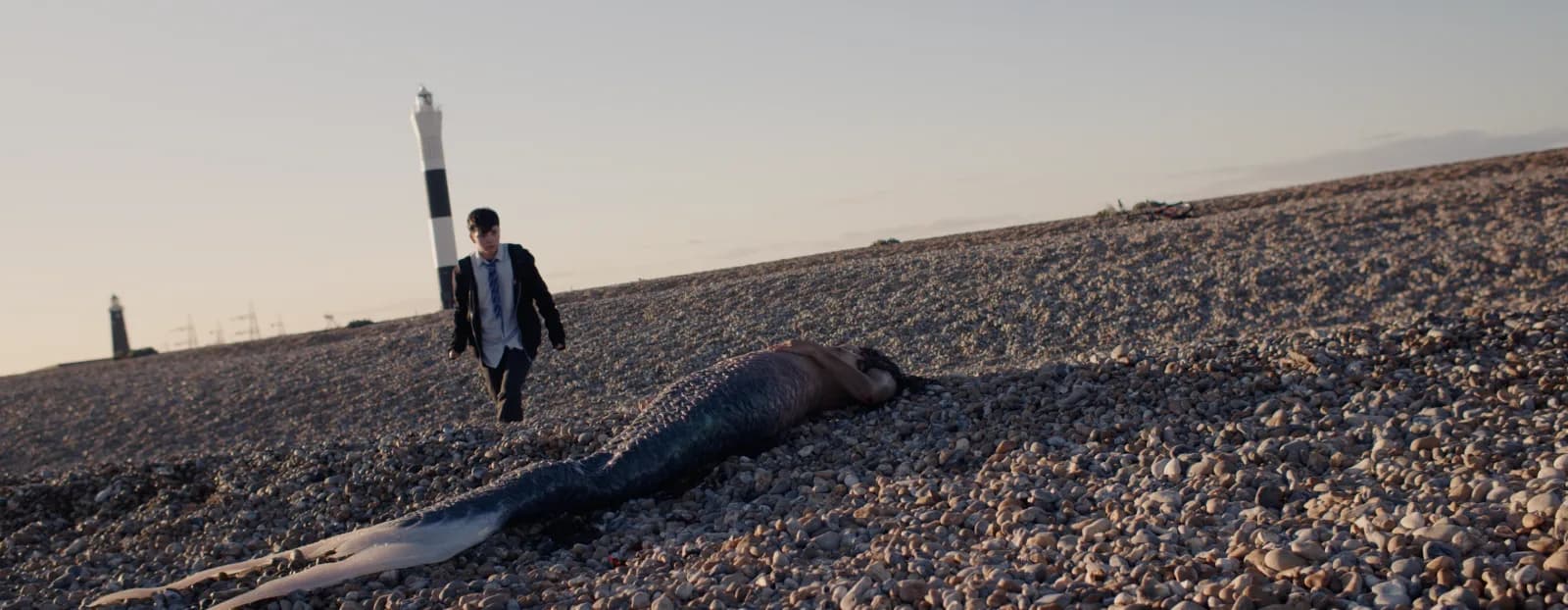
The episodes of the myth arrive in fragments. Rory enters a bunker with a knife and comes out with a bag dripping blood: Medusa's lair is a concrete pillbox.
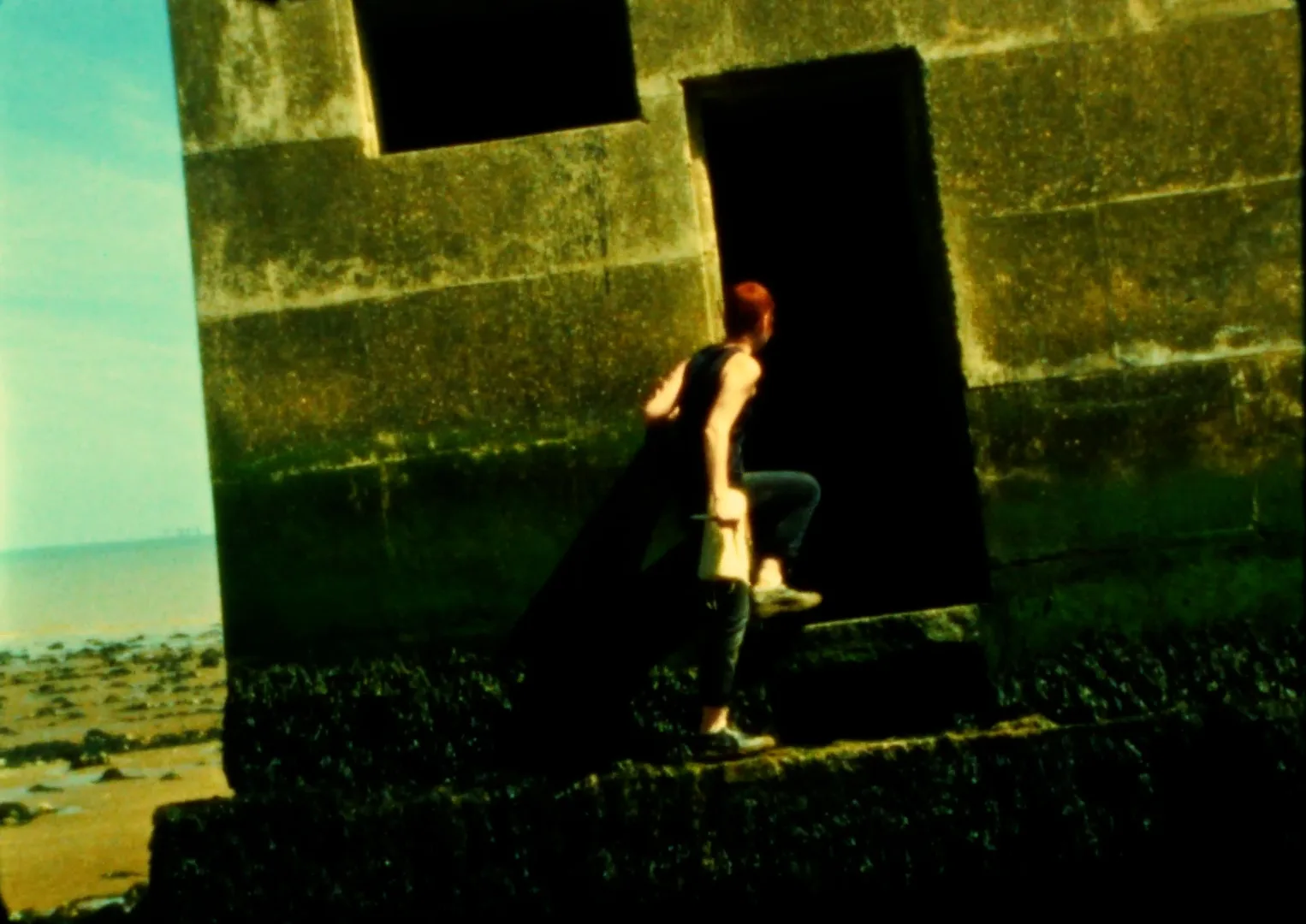
Then she falls asleep, and chains appear on her hands, the chains of Andromeda, bound to the rock by the sea, waiting for the monster. In the myth every female figure endures and only the hero acts. Here the roles come together in a single body: the same figure is shut in the chest, kills Medusa and wears Andromeda's chains. She is the prisoner, and she is the one who frees herself, with no one coming to save her.
Without dialogue, the film moves the way a dream moves, through images that return and change. In a close-up, Rory's mouth opens to reveal a key. It is the lesson of Meshes of the Afternoon, the film Maya Deren made with Alexander Hammid in 1943 in Los Angeles: fourteen wordless minutes in which a woman comes home, falls asleep, and passes again and again through the same objects and the same gestures, until the dream and the house become one. There too a key comes out of the protagonist's mouth, and in her hand it becomes a knife, the object that returns in almost every image of the dream. From that film grew a line of artists' cinema in which a story is something that asks to be seen before it is understood. Jack Davies's Perseus belongs to it.
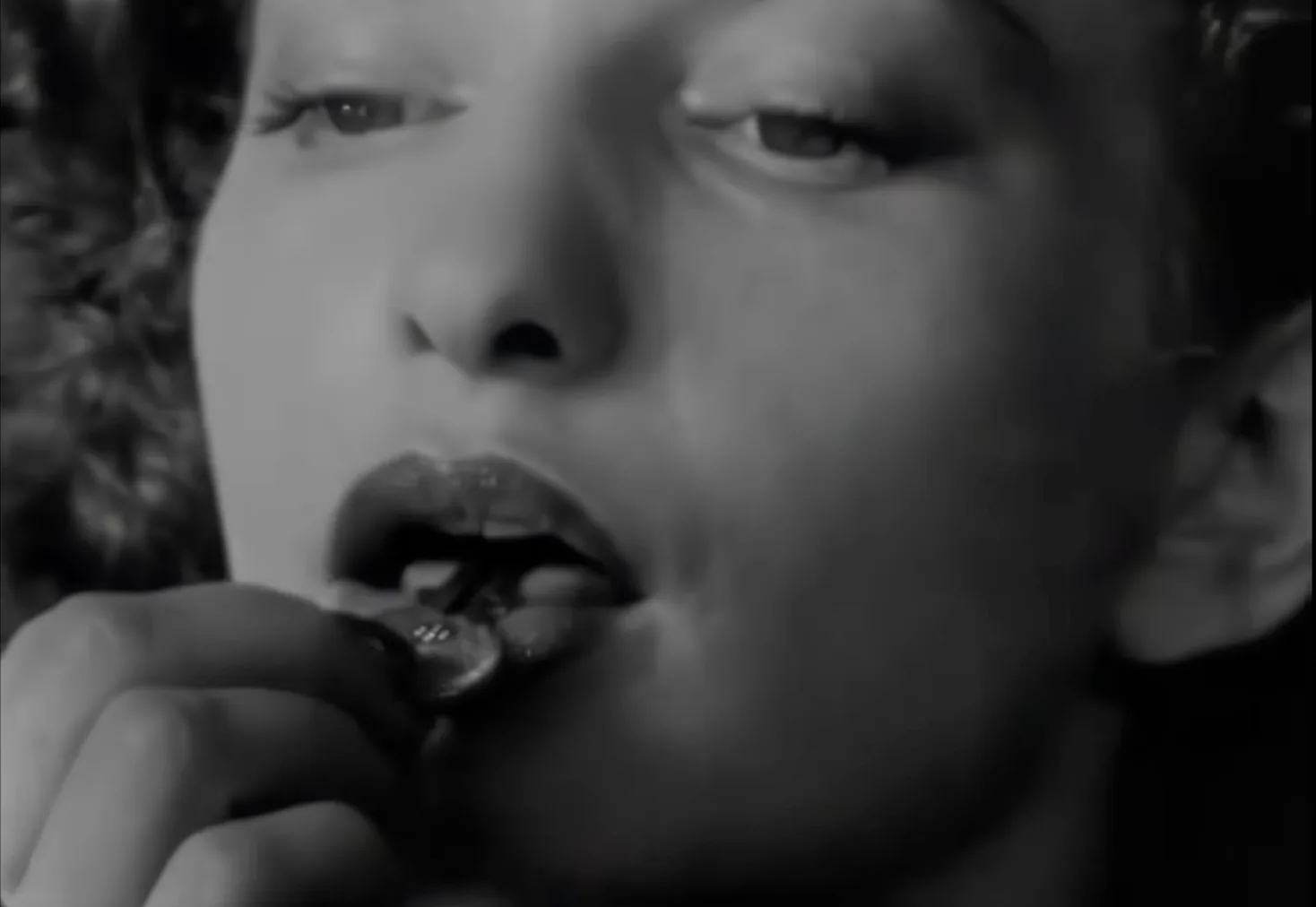
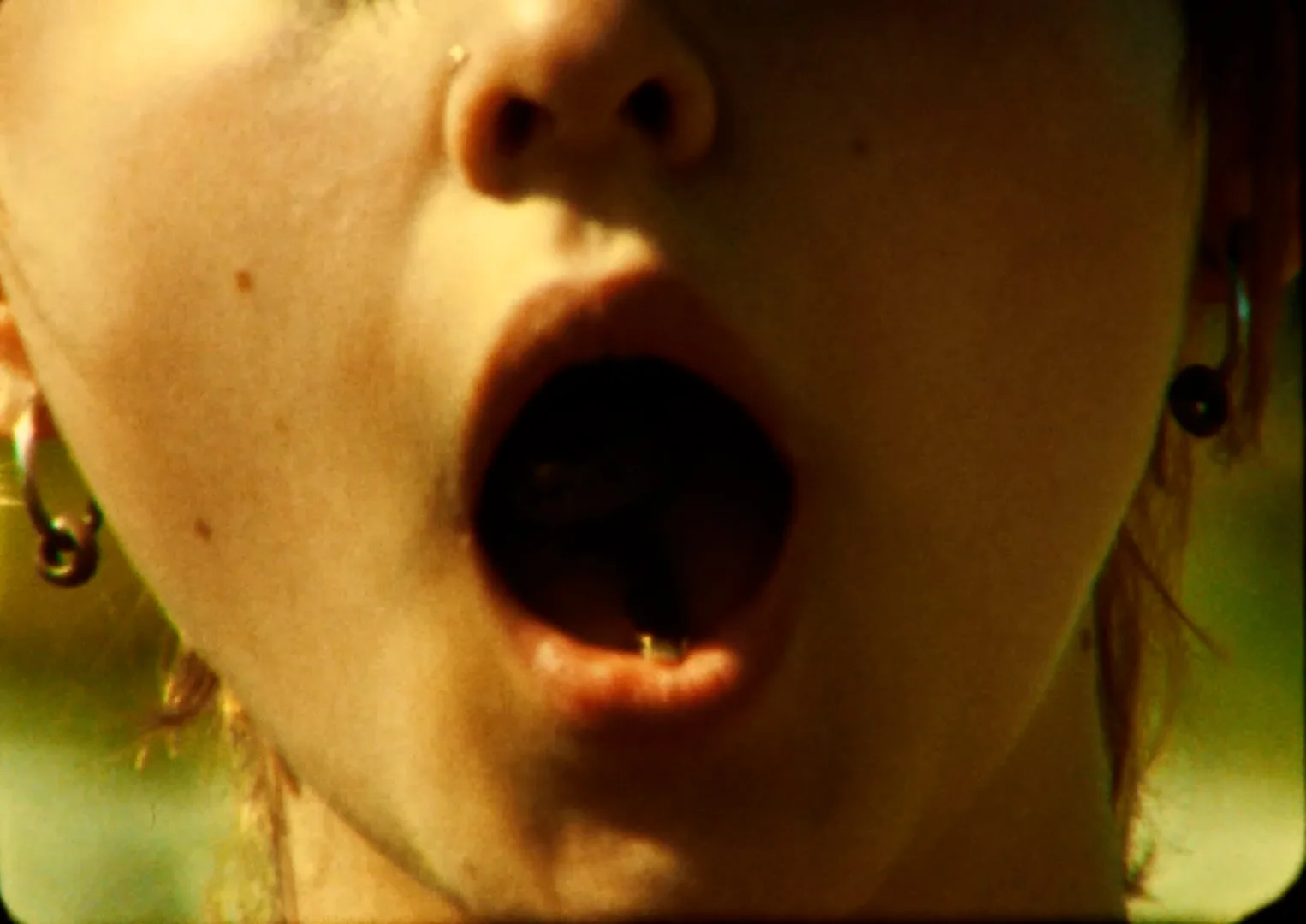
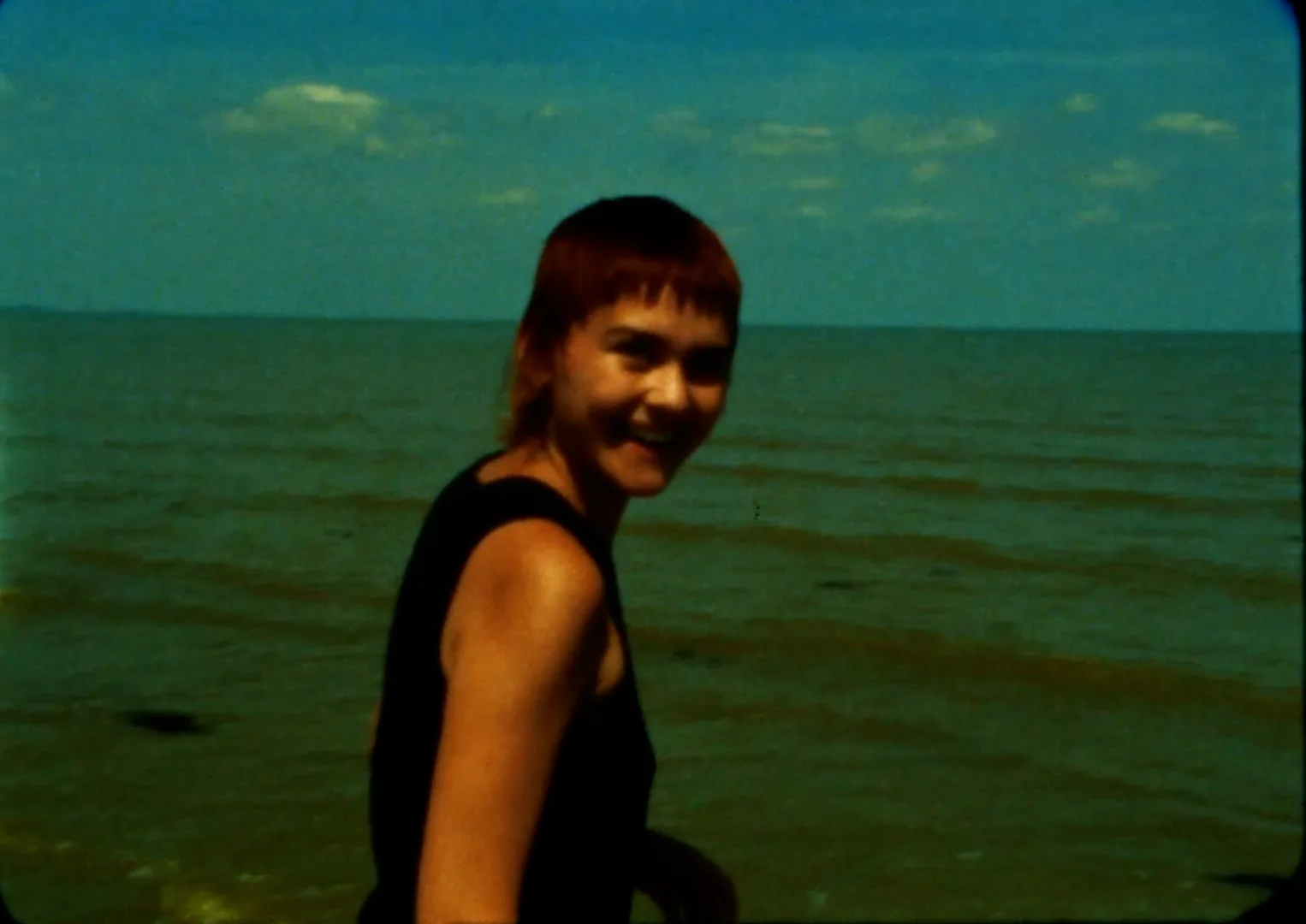
Davies takes up the key and the knife, sleep and the sea. Deren's dream closes inside the house, with the woman motionless in her armchair; Davies's opens onto the shore. In the last image Rory walks towards the water and smiles, and the chest in the sea is open.
The Colour
Perseus was shot on Super 8 Kodak Ektachrome, a reversal stock: the image forms as a positive directly on the film, in saturated, luminous colours. For Davies those colours come from the room of memory, from the photographs of his childhood. So the myth arrives in the colours of a family album: the light of a seaside holiday set against the darkness of an ancient story. And colour becomes memory, rekindled in the medium he chose.
Almost every shot unfolds in slow motion. The effect came from the camera itself, an old Nizo that could no longer run at normal speed, and the film kept it. On the shore, time slows to the pace of a memory.
The Shore
The film was shot at Warden, on the north coast of the Isle of Sheppey, in Kent, on a shore that the tide leaves covered in deep mud. Here the cliffs are made of London Clay: the mud that settled, some fifty million years ago, on the floor of a warm sea, at a time when the Earth's climate was tropical even at these latitudes. They are among the fastest-eroding cliffs in England. Every winter they give way a little more, and every storm carries their contents onto the beach: sharks' teeth, crabs, and the fruits of mangrove palms that rivers swept into the sea from a tropical coast not far away. At low tide, the clay itself lies exposed on the foreshore.
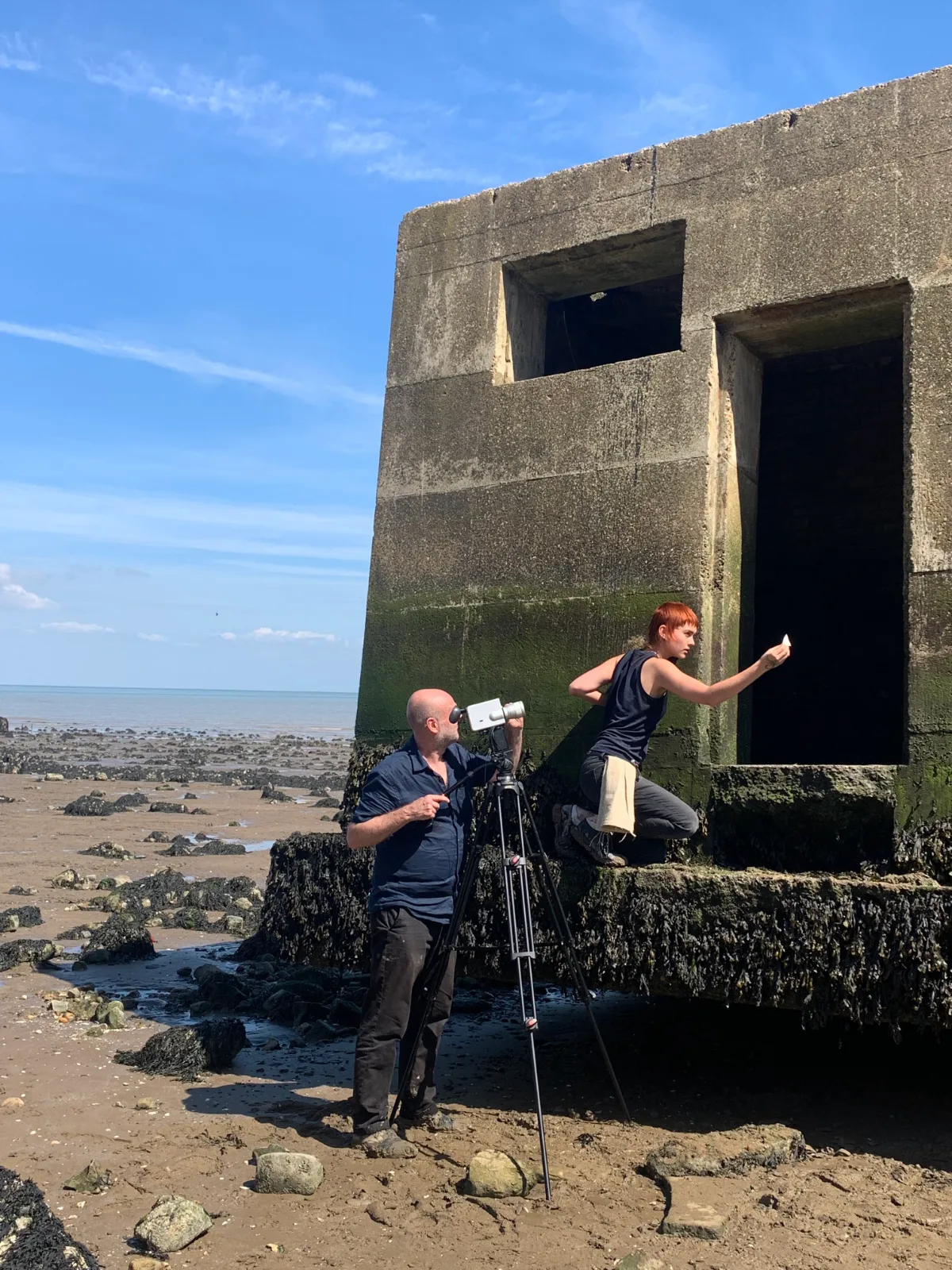
The twentieth century added its own layer. The defences built on the clifftop during the two world wars now lie on the beach, tilted, half-buried, slowly taken back by the same erosion that brings the fossils to light.
This is where Davies set a Greek myth: an ancient story on ground far older than any story, among the ruins of the wars of the twentieth century. On this beach everything has already turned to stone, the palm fruits as much as the concrete defences: the right place for a story in which Medusa's gaze turns all it meets to stone. The landscape carries more than we can explain, and the film lets it speak.
Why We Are Hosting This Film
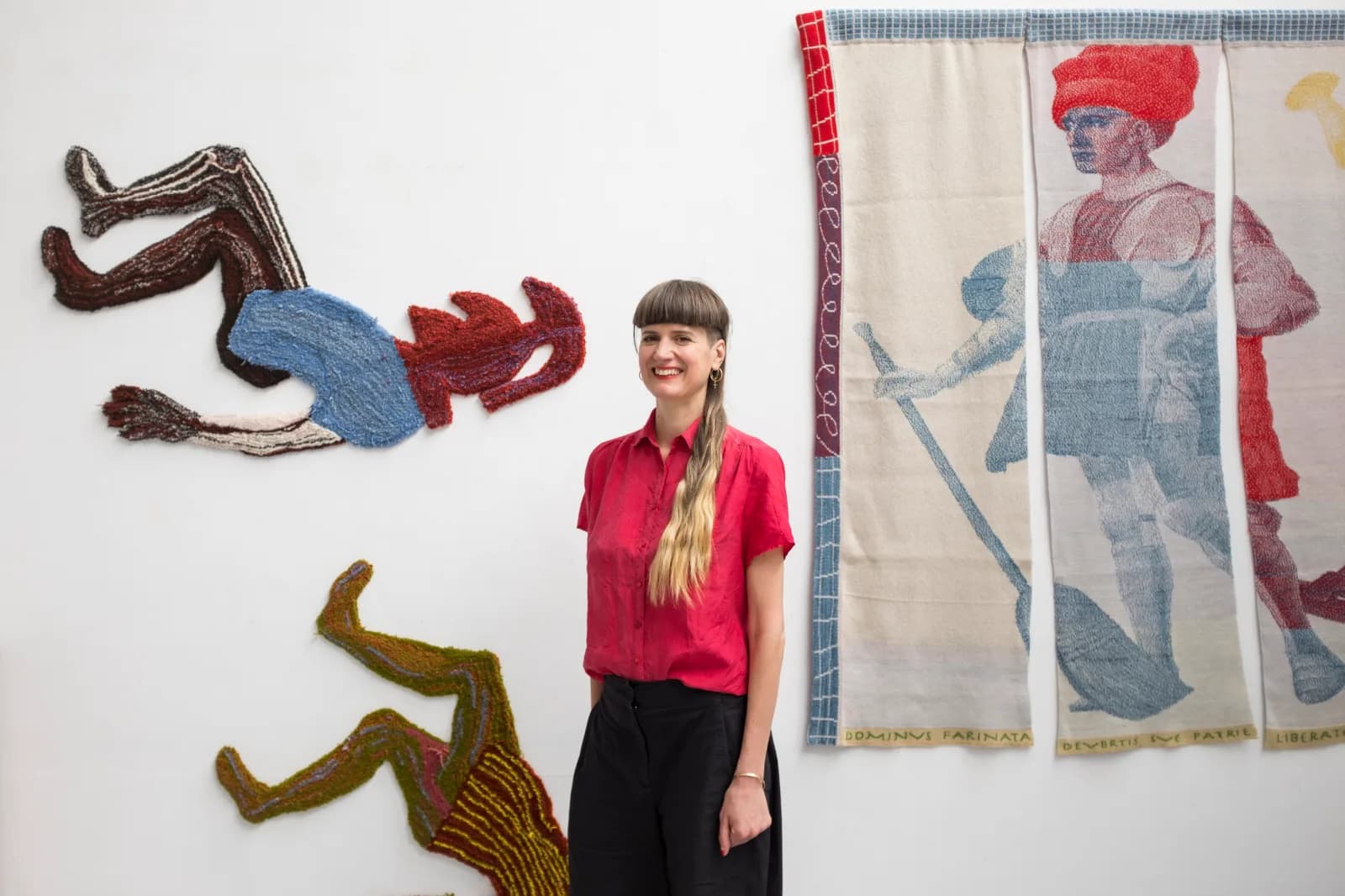
Jack Davies writes novels and poems, makes sculpture, makes films. In Perseus these practices meet. There is the economy of poetry, which tells an entire myth in three minutes and without a word. There is the sculptor's eye, which entrusts the story to objects: a chest, a key, a knife, chains, each carrying the weight of an episode. And there is the storyteller, who recognises in an ancient myth a story still open. It is a film made with his own hands, shot on film, born of the desire to see that myth on that shore.
It is the kind of work AnotherStory welcomes, and exists to welcome. We live between cinema and contemporary art, and we look for films in which the image carries creative thought to shores where no one has yet landed, and for artists whose practice moves across forms, languages and media, experimenting with new ways to express their vision.
Davies also founded the Cube Cinema in Bristol, an independent space born of the belief that films need a place where they can be shown and kept. It is a belief we share. Perseus now has a home here, in our Art & Moving Image collection.
Credits
Written, directed, shot and edited by Jack Davies
Produced by Katie Thompson
With Rory Bakker-Marshall
Super 8 Kodak Ektachrome, Nizo camera. United Kingdom, 2022, 3 min
Watch
Now streaming: Perseus, Jack Davies