Ill fares the land, to hastening ills a prey,
Where wealth accumulates, and men decay.
The film takes its title from these lines by Oliver Goldsmith. Goldsmith was writing about England's emptied villages, about communities scattered while wealth gathered in the hands of a few. Two and a half centuries later, Patrick Ireland carries those lines into a coastal town of today, where poverty fills homes with anger.
The Tale Inside the Realism
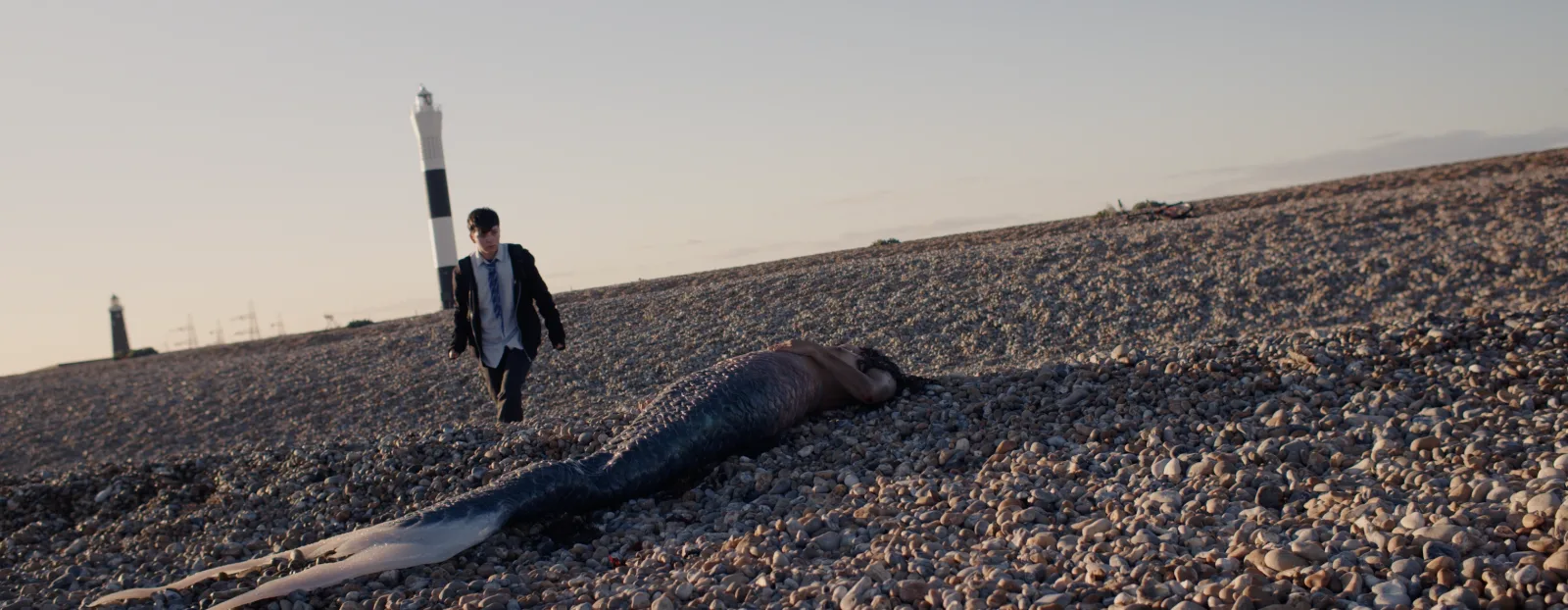
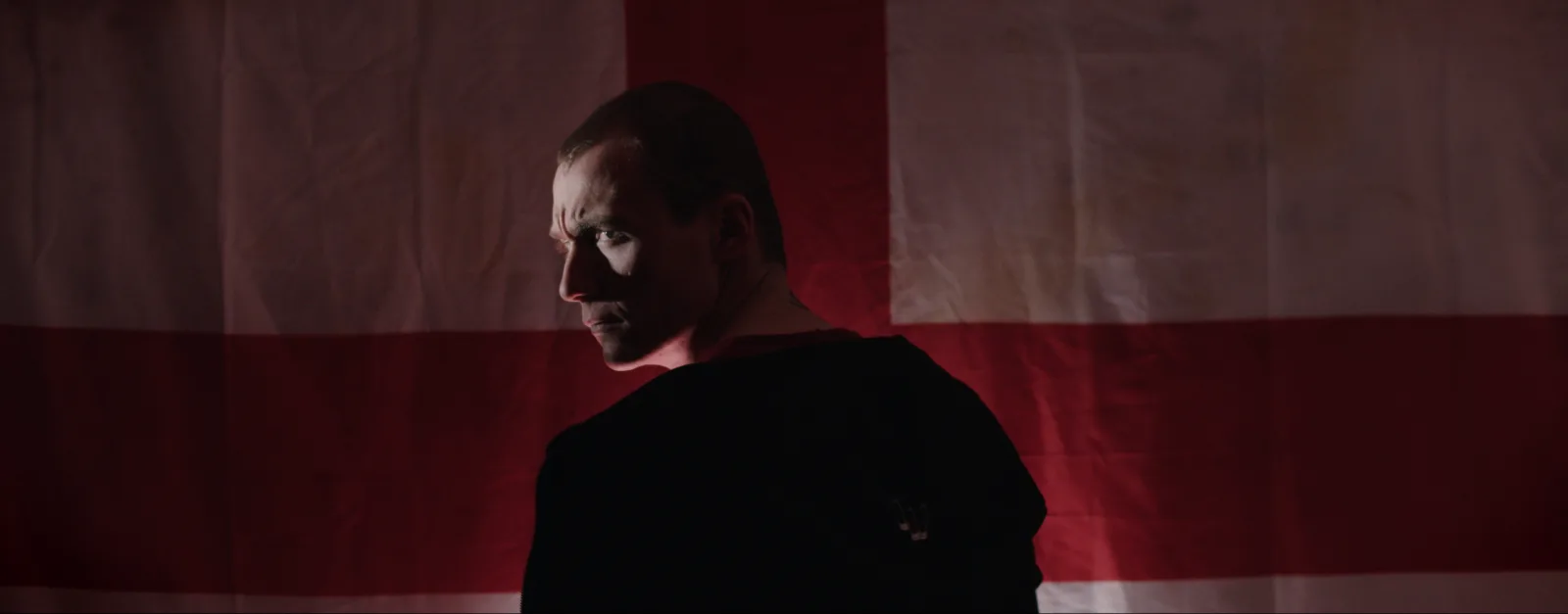
A boy in a school uniform crosses an expanse of shingle, the lighthouse behind him. In front of him, on the shore, lies a stranded mermaid. From this image Patrick Ireland builds a film that holds two worlds together. The first is the world of social realism: a small seaside town in the south-east of England, impoverished families, peeling rooms with newspaper headlines on the walls, a group of young men who find in hatred a sense of belonging. The second is the world of the fairy tale, which arrives without warning and changes the way we see everything else.
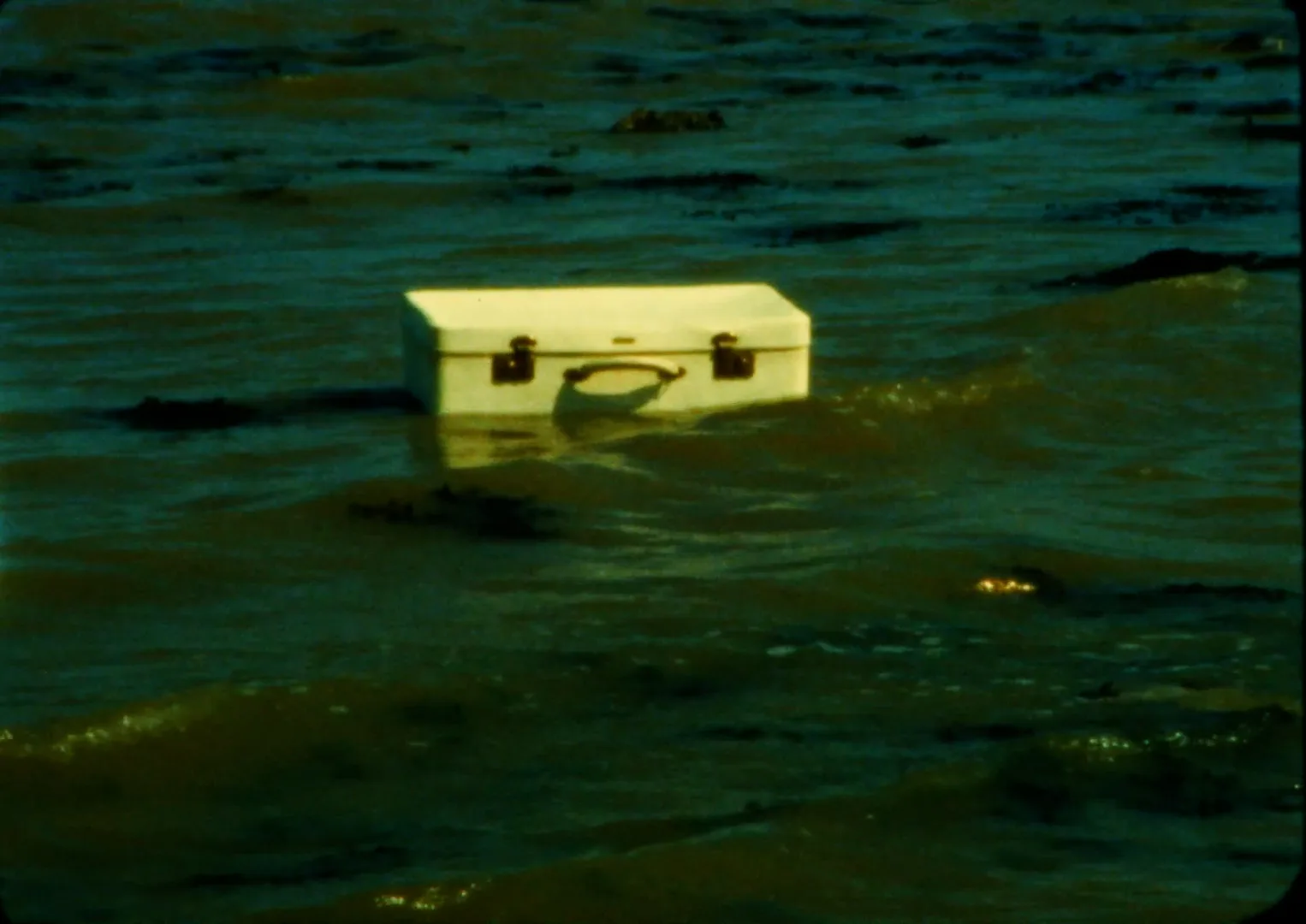
The mermaid is an allegory. For Ireland she is the face of those who cross the Channel to reach the shores of Britain and are met with hostility and violence. Yet the film does not set out to explain the allegory: it places it on the beach and lets the characters, and us with them, decide what to make of those images and how to give meaning to the story unfolding before our eyes. It is a choice of language before it is a choice of content. Faced with something impossible, and foreign, the film shows us how quickly the impossible becomes a thing to destroy and "the stranger" a target to eliminate. Especially when its nature makes it a stranger, in a world afraid of difference.
The Place: Dungeness
The film was shot at Dungeness, on the Kent coast. It is a headland built by the sea: one of the largest expanses of shingle in Europe, gathered by the currents and still being moved by them. It is a protected nature reserve, and at the same time a landscape marked by human hands, with the nuclear power station on the horizon, the lighthouses, the fishing boats hauled up on the stones.
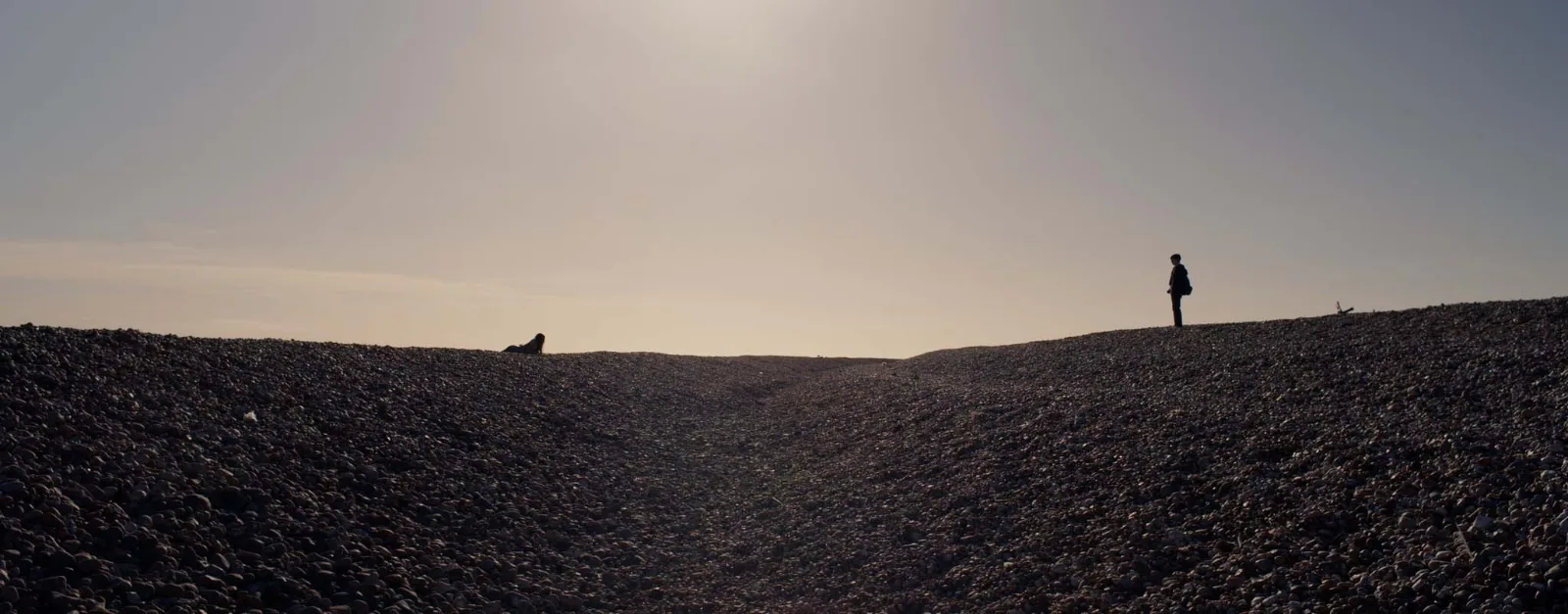
It is a place that already seems to sit on the border between the real and the fantastic, and it is here that the film finds its stage. A mermaid stranded on this shore does not look out of place: the landscape takes her in as if she had always been there: possible, real. And only George's gaze sees her as such.
George's Gaze
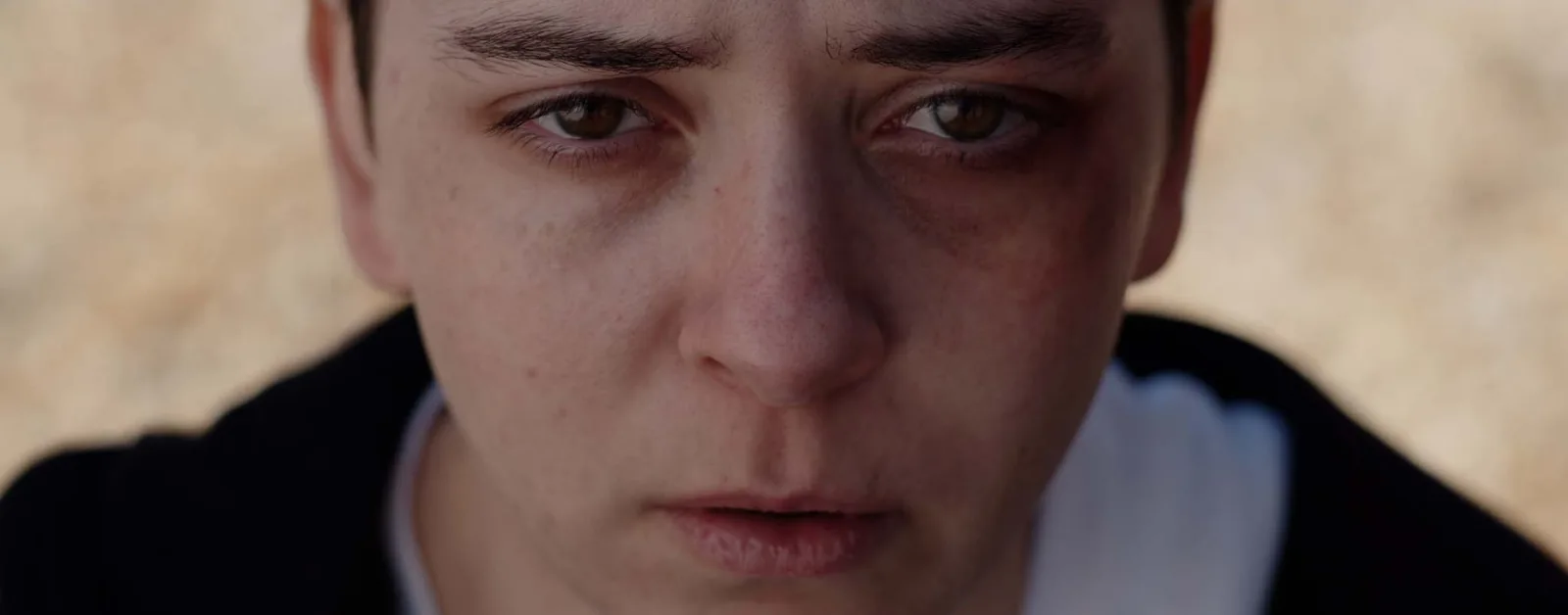
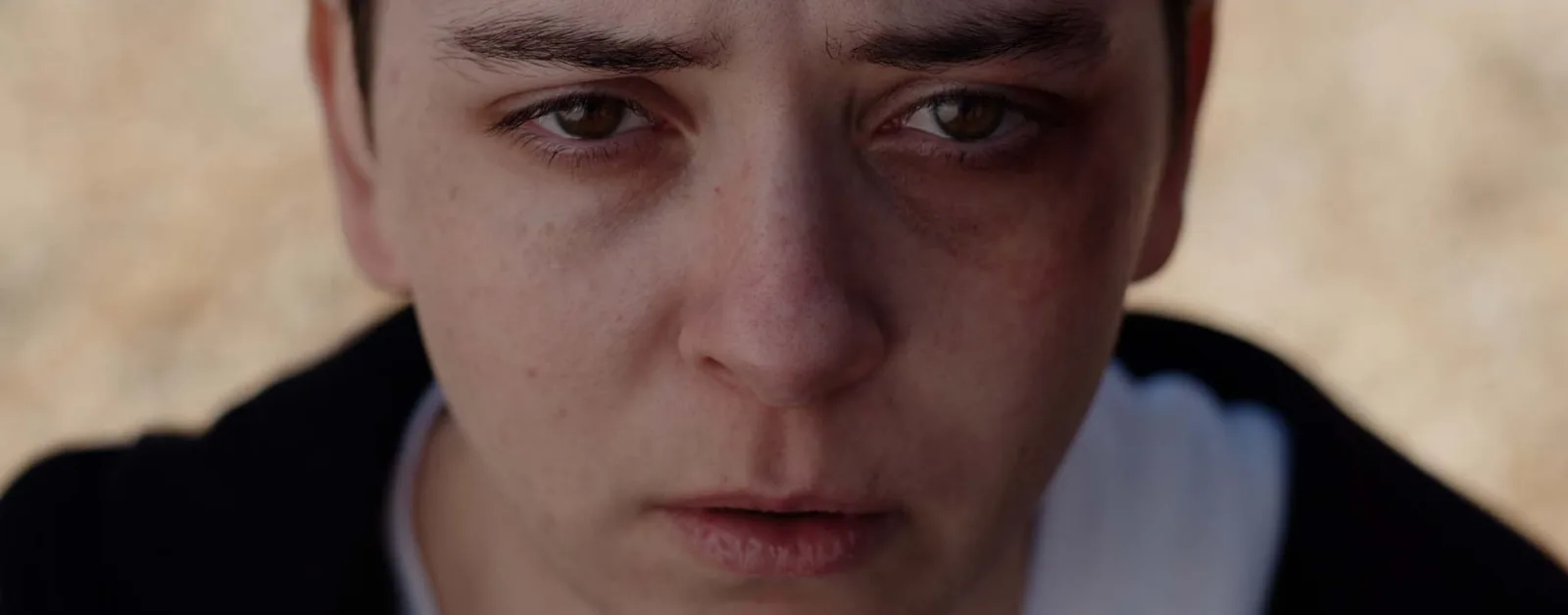
The film is told through the eyes of George, a boy who carries on his face the marks of his father's violence and who lives surrounded by a hatred he does not understand. For most of the film he stays silent. He speaks again only to ask his brother Trey the questions that matter: what happens if you kill a mermaid? Who are the people who come from the sea? Trey answers with a single word, heavy with meaning: pain. And George asks whether that is why their mother left them, because of too much pain.
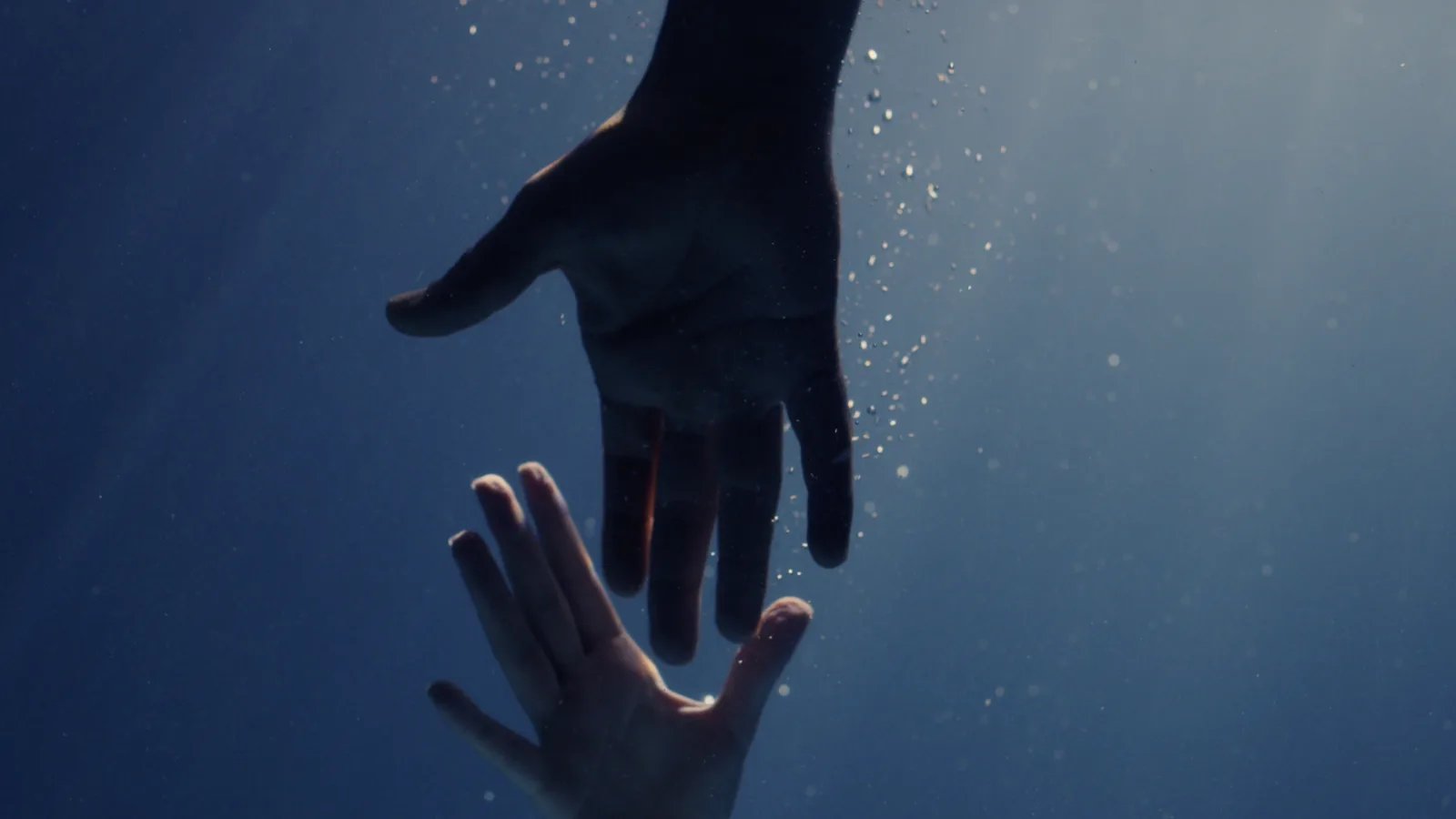
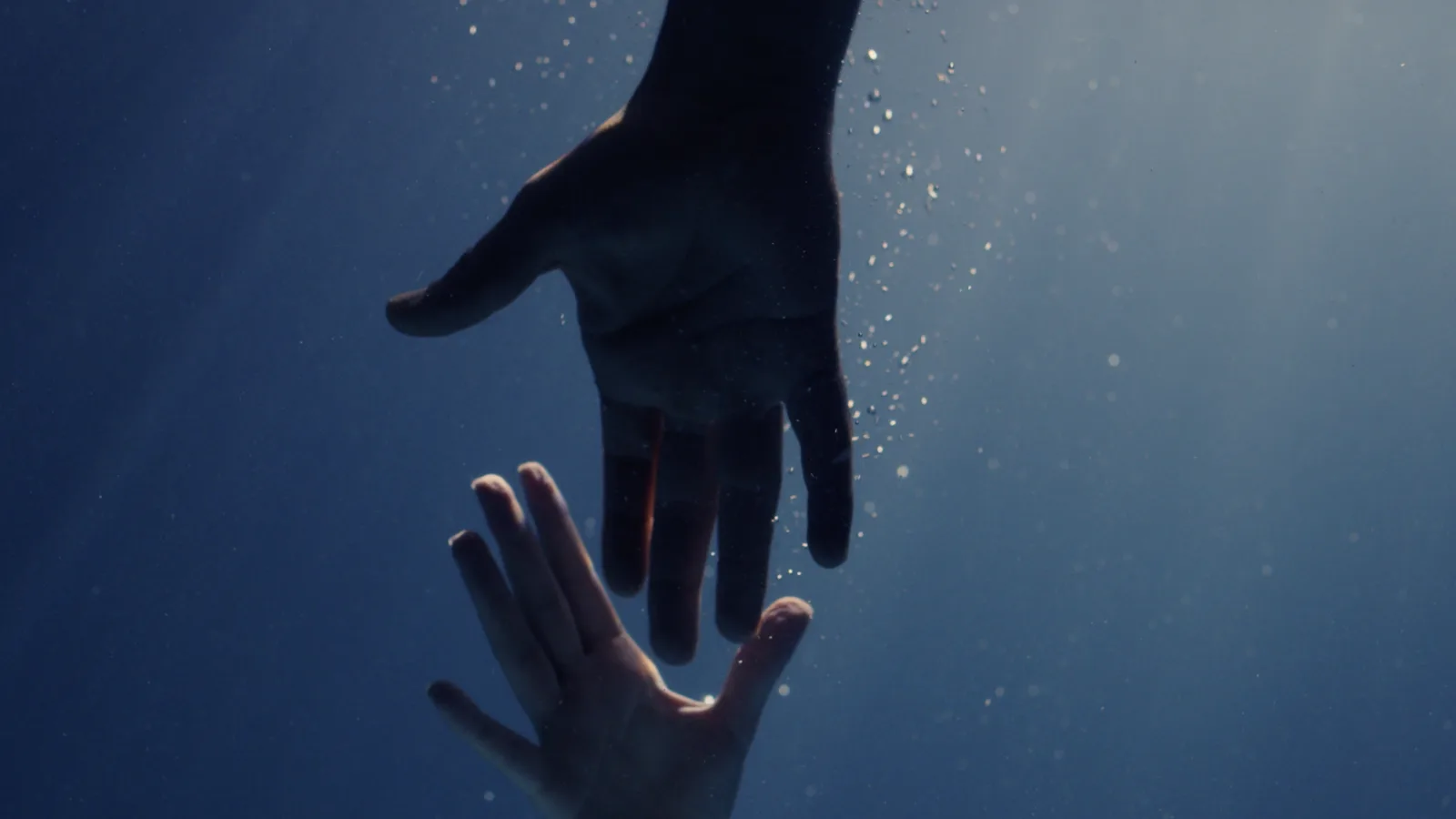
Beside his bed stands a small mermaid figurine, the last thing he sees before falling asleep, and he carries it with him to the final scene. His face disappears beneath the water of a bathtub, until his brother's hand pulls him out and holds him close. At that point we begin to wonder whether the mermaid on the shore ever existed, or whether she was a dream, or whether the mermaid is George himself: a creature come from the sea, who finds no place out of the water, and who carries inside him all the pain that the world around him cannot name. It is that world that makes him a stranger. The film does not answer. It leaves the two brothers a look, and in that look another way out. Deeply, uniquely human.
Why We Are Hosting This Film
Ill Fares The Land is the film Patrick Ireland chose to make on his own terms, self-funded together with producer Jessica Romagnoli, to tell the story of a place and a society, starting from the seaside town where he grew up. To tell it, he looked for a language that realism alone could not give him, and he found it in the fairy tale.
This is what draws us: a film that uses the fantastic to look at the present, and that leaves its questions open instead of closing them. The film was also made possible by two Italian producers who live and work in London, Jessica Romagnoli and Annabella Casaburi, here in their first producer credit. A deeply English story, built with an Italian eye as well: this is the bridge on which AnotherStory was founded.
Ill Fares The Land now has a home here.