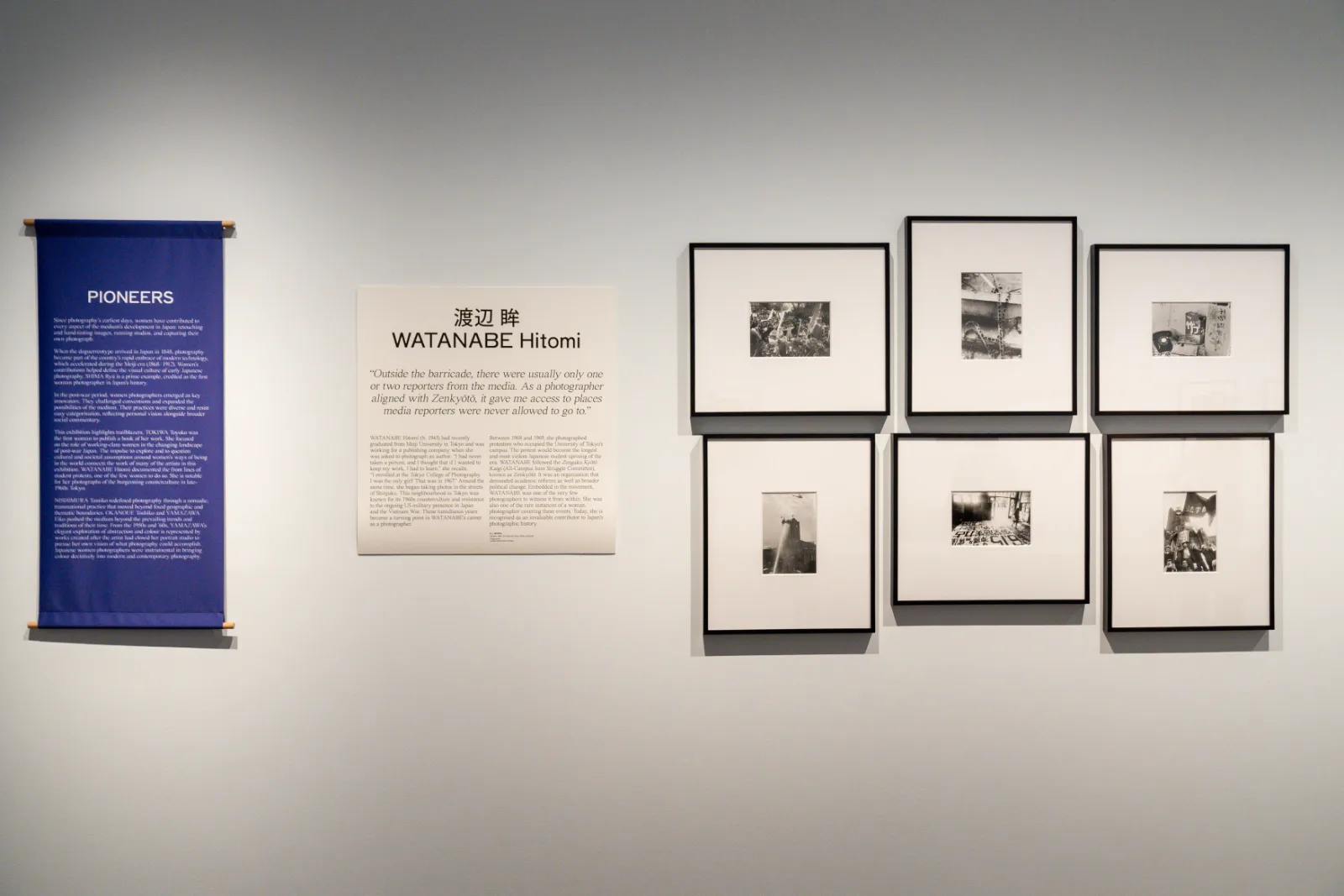
One Word on the Walls
Japanese Women Photographers: From 1950s to Now closes on Sunday 27 September at The Photographers' Gallery. Twenty-seven photographers and seven decades of work fill the whole building on Ramillies Street: more than two hundred photographs, videos, installations and rare photobooks.
We walked it floor by floor, and one word kept returning on the walls: record.
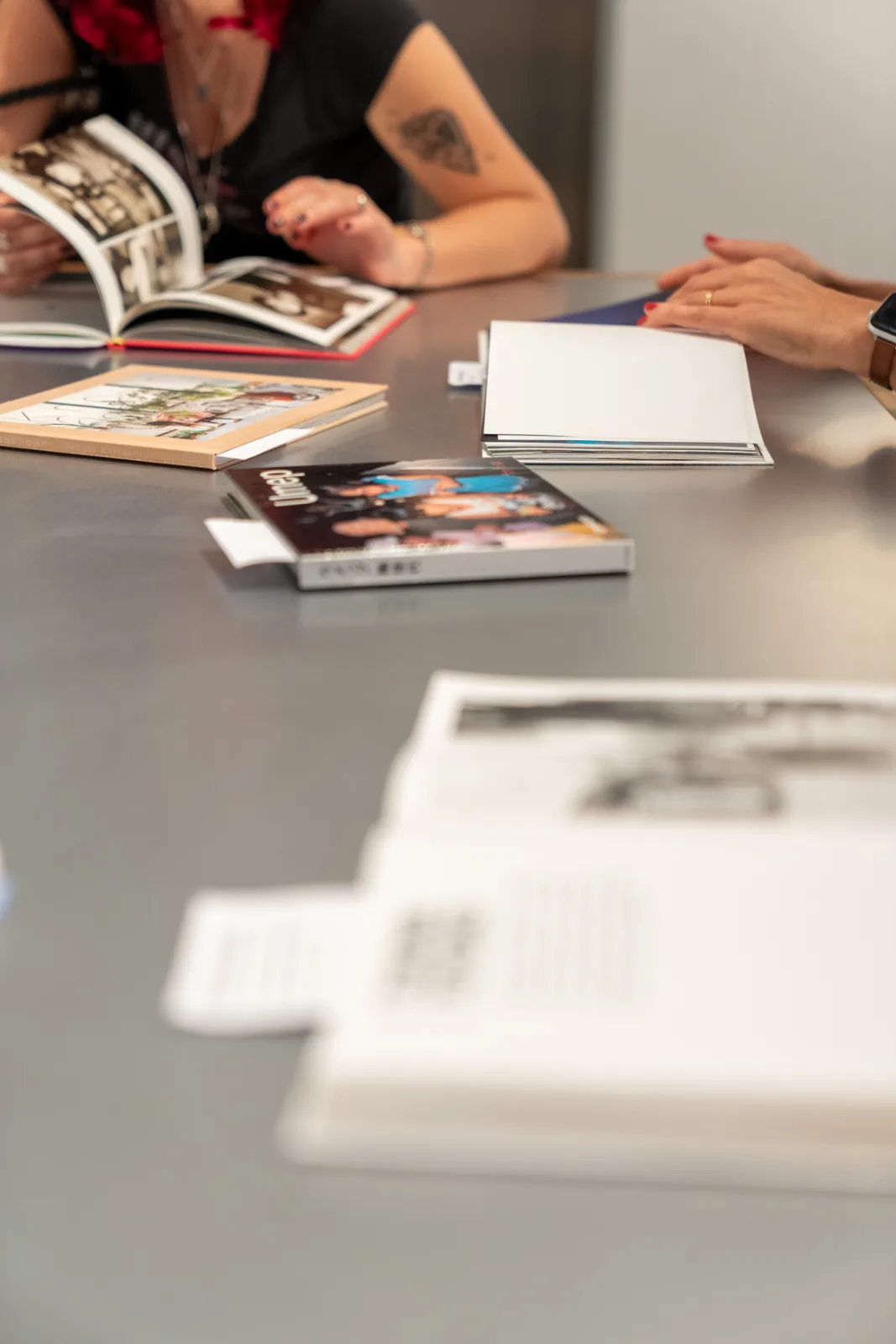
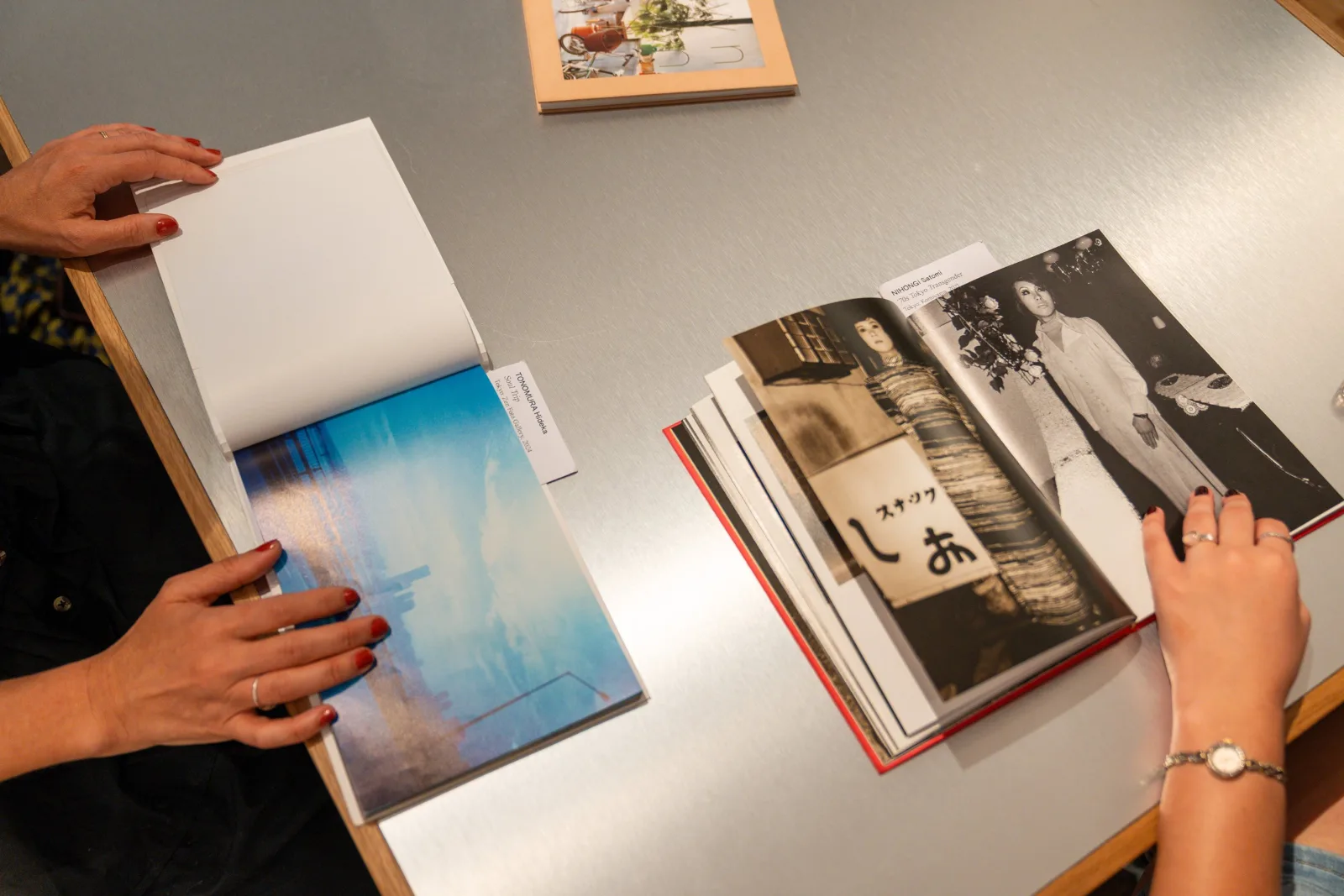
Keeping the Record
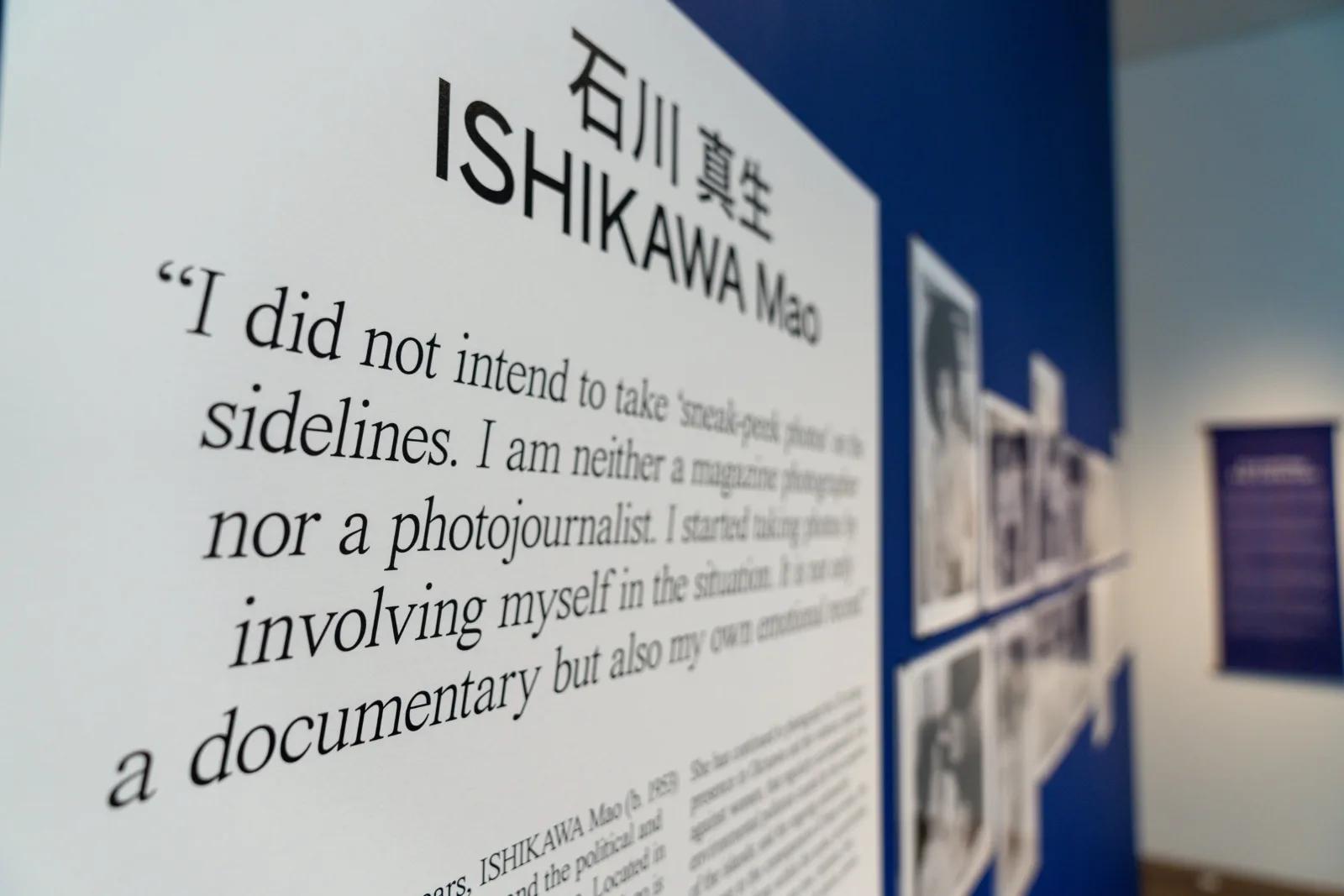
"I did not intend to take 'sneak-peek photos' on the sidelines. I am neither a magazine photographer nor a photojournalist. I started taking photos by involving myself in the situation. It is not only a documentary but also my own emotional record."
Ishikawa Mao worked as a barmaid in Kin and Koza, Okinawa, between 1975 and 1977, and photographed the people she met there from inside the scene.
"I have always worked as a record keeper. It's very interesting to see how the world changes through the camera."
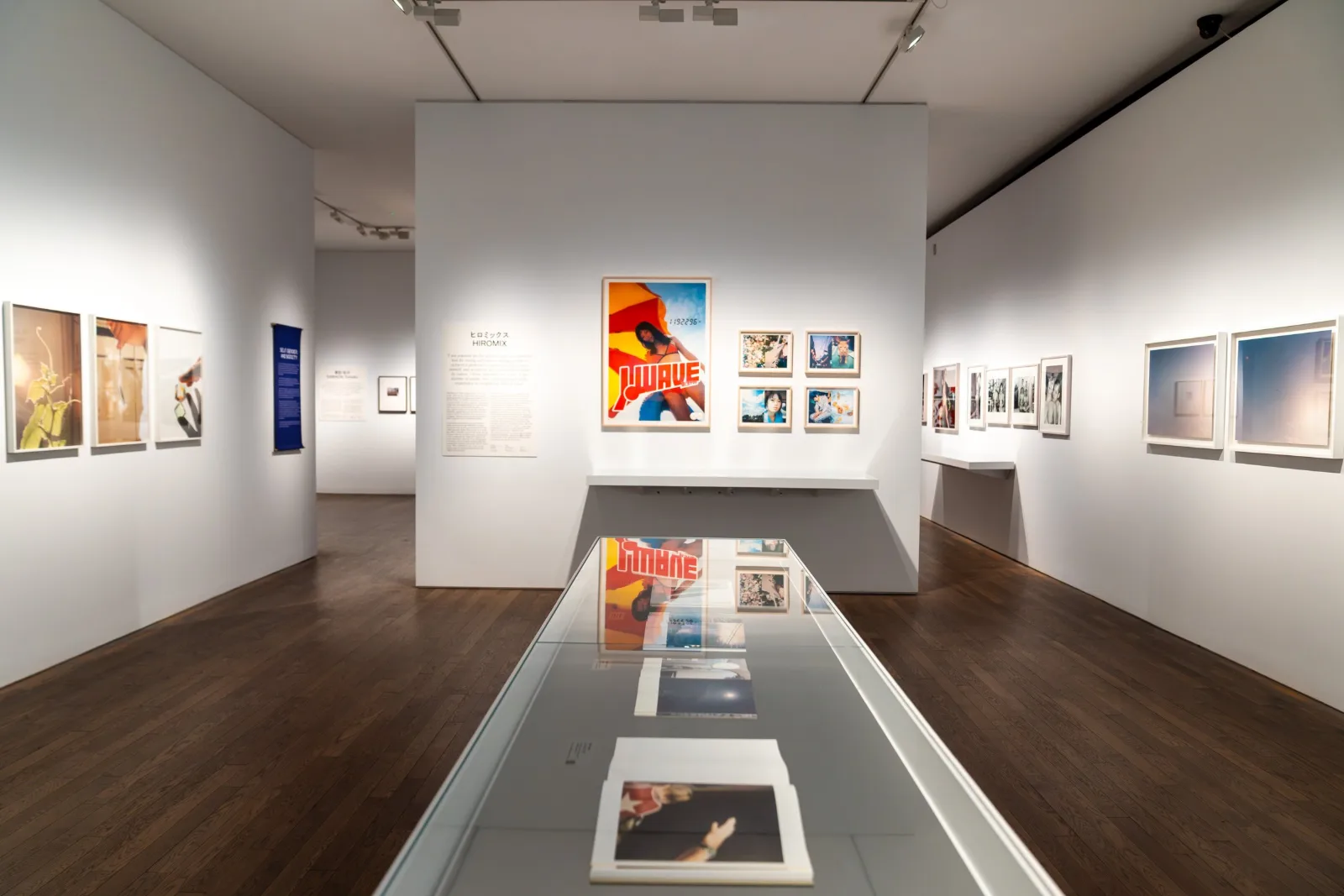
In the early 1980s Ushioda Tokuko began photographing other people's refrigerators, open and closed. She published fifty-seven of them in Reizōko (1996), shown here in a vitrine.
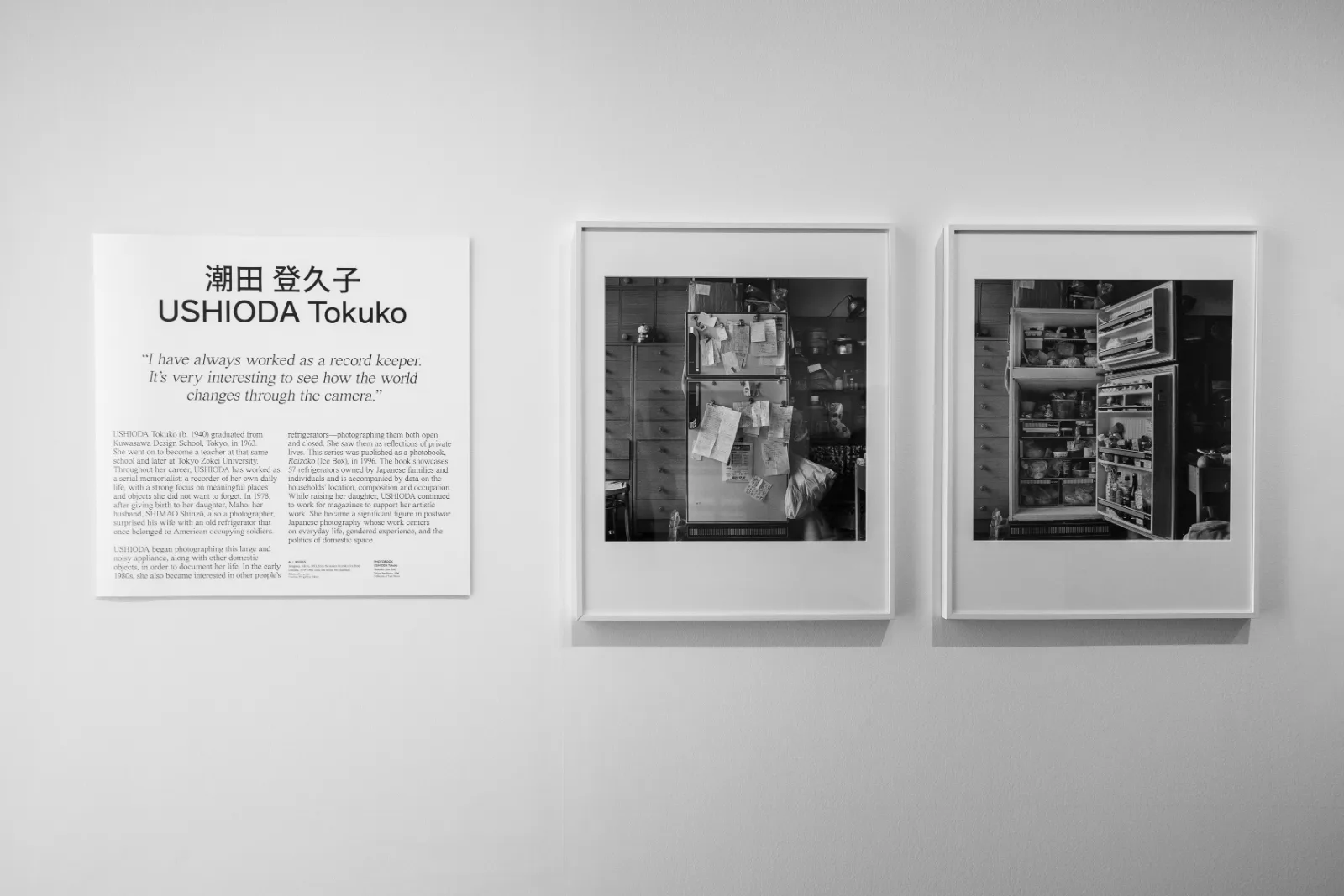
"I have always had a hard time with questions like 'What is your theme?' or 'What are you photographing?' I don't think it would have been acceptable to bluntly say, 'I take photographs', but I feel that, especially at that time, I was doing something that could only be described as 'photography'."
Narahashi Asako started with photo-diaries printed in the thousands, then took her camera into the sea, so that Mount Fuji appears behind a surface of broken light.
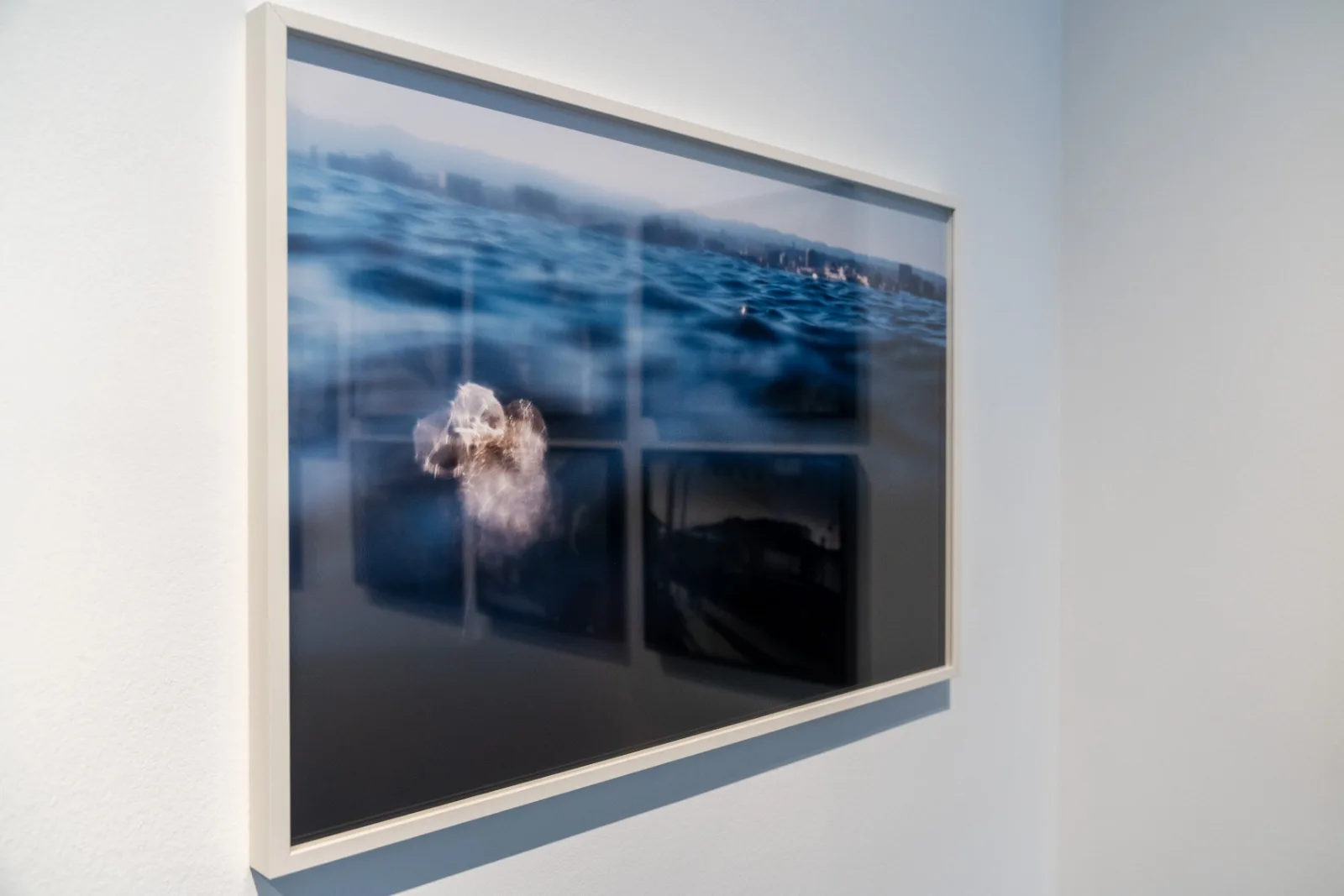
"I believe that photography is a unique image space that is not the 'past, present, and future' time and space that we inhabit. I sometimes refer to it as the 'eternal present.'"
Shiga Lieko moved to Kitakama in 2008 and chose to stay after March 2011.
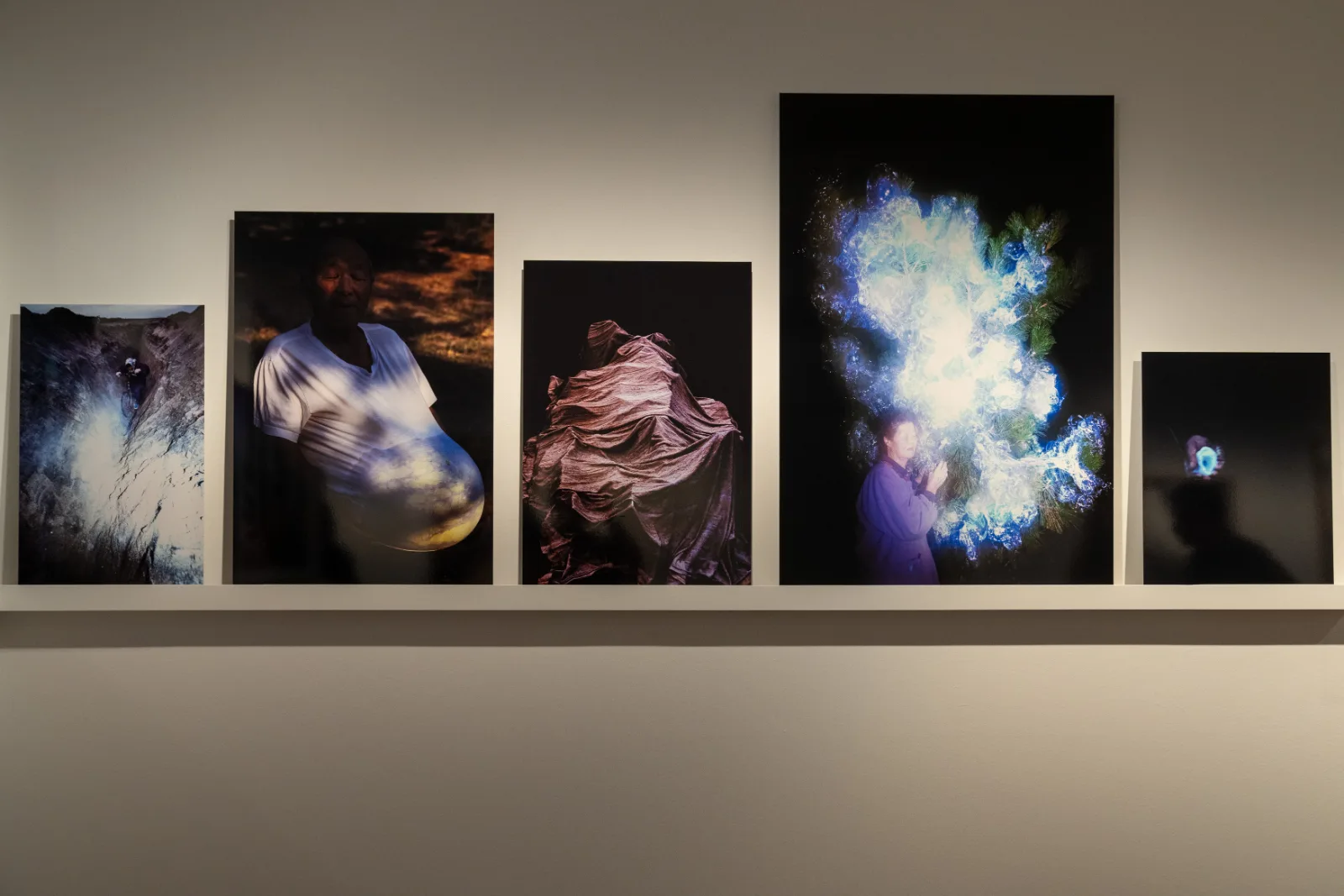
To Provoke and to Record
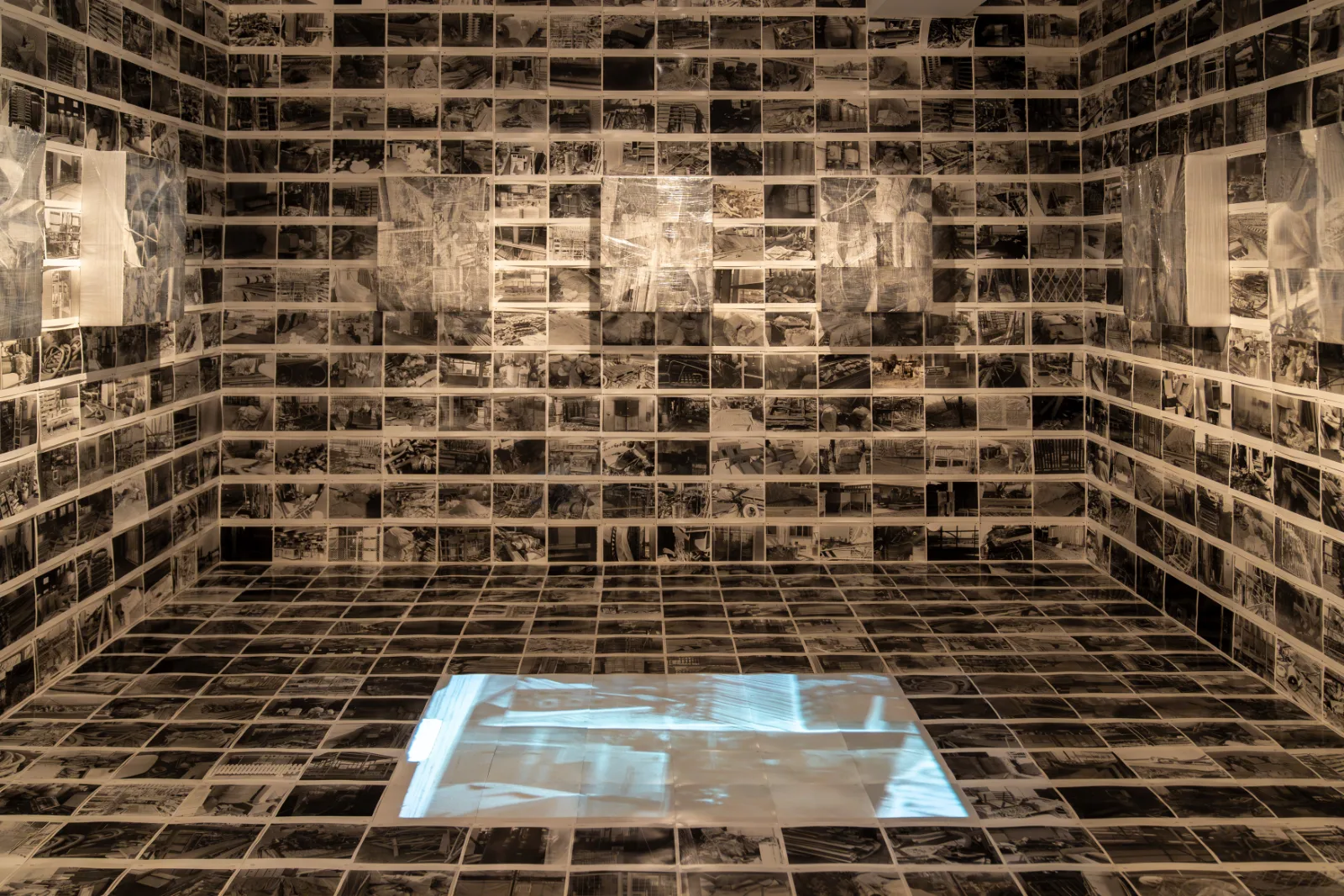
The exhibition also makes room for a more experimental and daring photography. Many of these artists work through collaboration, performance and sculpture, in a language that is powerful and often irreverent. Yanagi Miwa lines up her uniformed elevator girls along a moving walkway. Katayama Mari lies on a beach among artificial limbs. Nagashima Yurie, pregnant on a sofa, raises her middle finger to the camera. In the last room, Komatsu Hiroko covers walls and floor with black and white prints of construction sites and scrap, so that the only way in is to walk on the photographs.
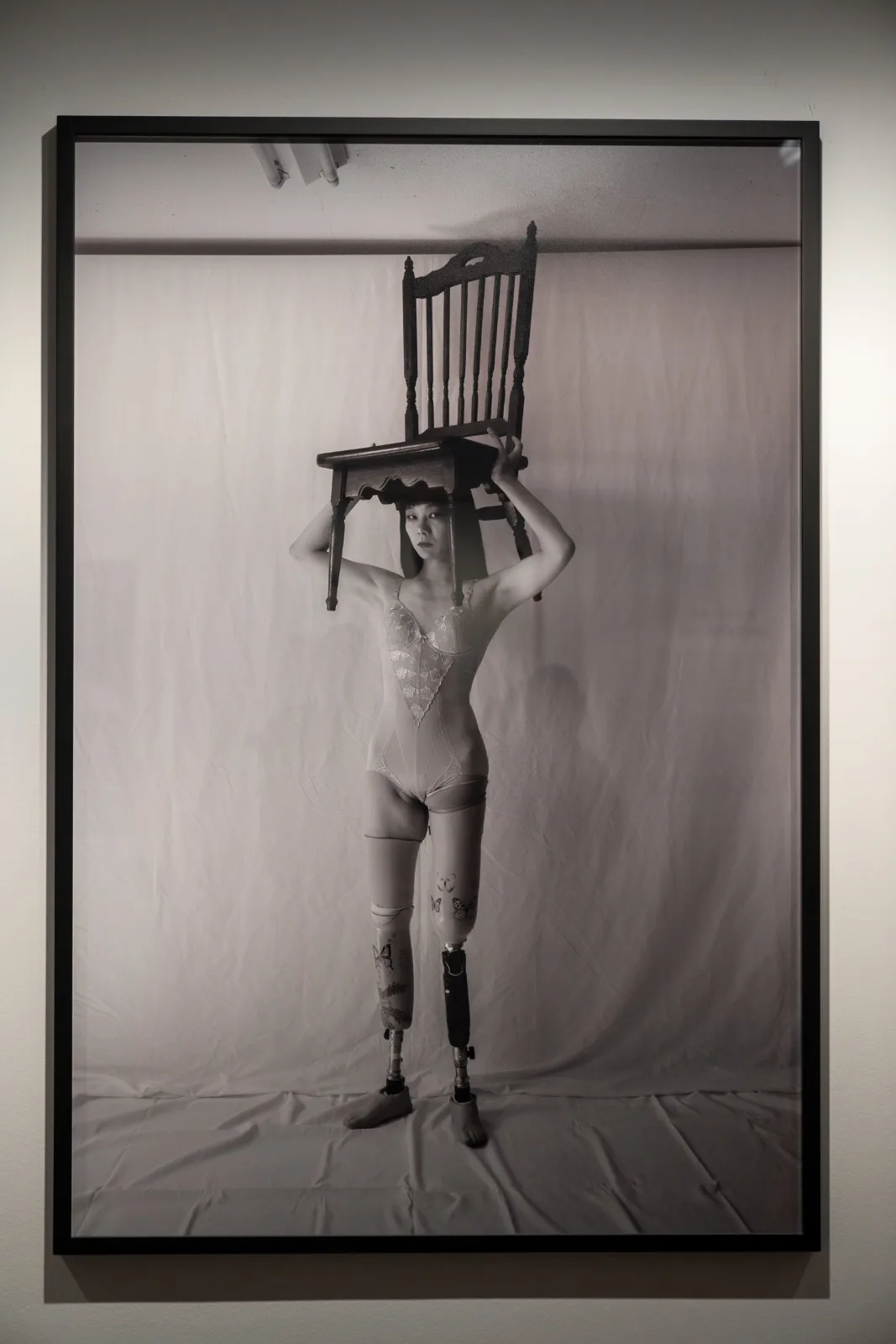
Here photography provokes as much as it records. Seventy years of Japanese life pass through the eyes of women who refused to stay behind the lens and placed themselves at the centre of their own language: protagonists of a creative process, each guided by her own "emotional record".
"I was furious about the inequality between men and women, about the idea that you couldn't do certain things or had to put up with being told certain things because you were a woman."
Ninagawa Mika's saturated flowers and goldfish hang against a vinyl of her own blurred colours. She has also made a name for herself as a film director.
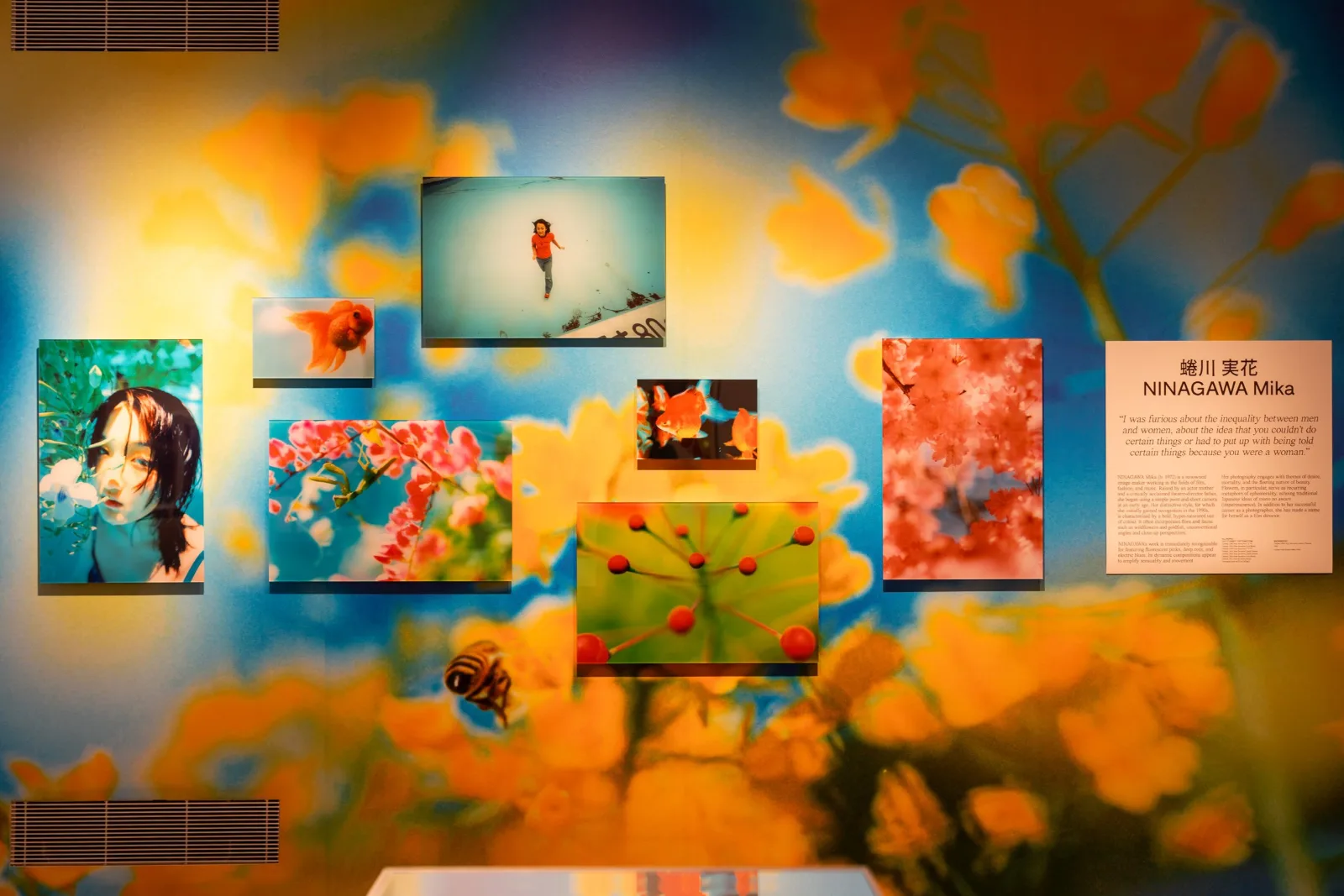
Seen together, these are lives kept on film by the women who lived them, and a history of Japan told from inside it.
For another collection of photographs that crossed the world to reach a London gallery, read Migrating Images: Portrait of a City at Dulwich Picture Gallery.
The Artists
Hara Mikiko, HIROMIX, Ishikawa Mao, Ishiuchi Miyako, Katayama Mari, Kawauchi Rinko, Komatsu Hiroko, Kon Michiko, Nagashima Yurie, Narahashi Asako, Ninagawa Mika, Nishimura Tamiko, Noguchi Rika, Nomura Sakiko, Okabe Momo, Okanoue Toshiko, Onodera Yuki, Sawada Tomoko, Shiga Lieko, Sugiura Kunié, Tawada Yuki, Tokiwa Toyoko, Yoneda Tomoko, Ushioda Tokuko, Watanabe Hitomi, Yamazawa Eiko, Yanagi Miwa.