What do we say any more/to conjure the salt of our earth?
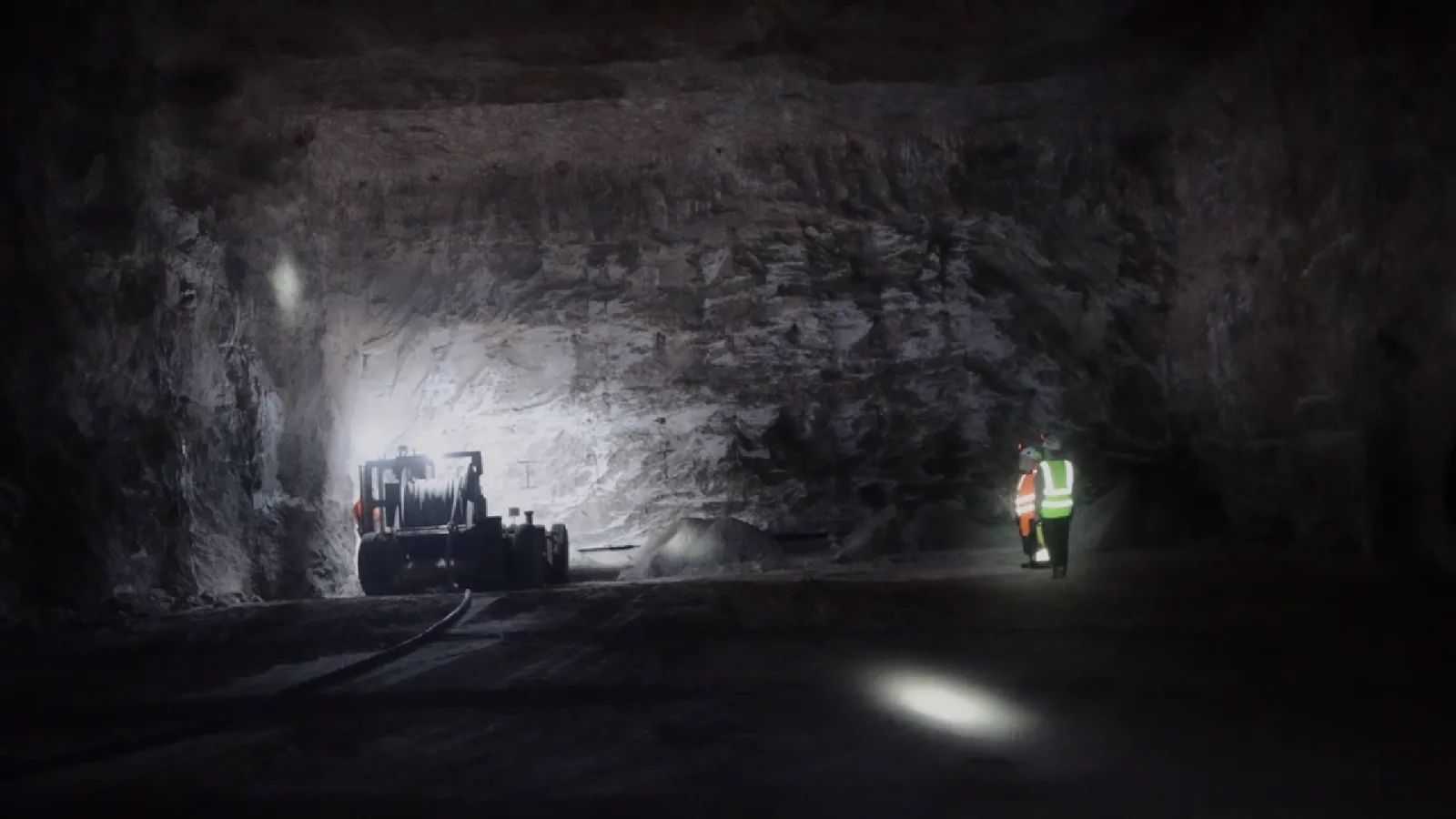
Conall McCauley is an animator, sound artist and archivist at the Seamus Heaney Centre, Queen's University Belfast. SALT, seven minutes long, was born inside the Centre's archive: from research into the friendship between Seamus Heaney and the singer and broadcaster David Hammond, and from "The Singer's House", the poem Heaney wrote for him. Conall carried Hammond's recordings into the Kilroot salt mine, 400 metres underground, and recorded them again, letting voice, birdsong and poetry meet the noise of the machines. The film was screened at Docs Ireland 2026 and was a finalist for the Hearsay Audio Prize and the O'Bheal Poetry Film Prize.
We asked him how archival research becomes a work, what happens when a voice that has lain still for decades is heard again, and how one works with the voices of those who are no longer here. These questions are close to the way we think about the archive: a living set of stories in relation to one another, from which new works are born.
From Archive to Work
SALT began as research into the friendship between Heaney and Hammond. At what point did the archival research become the wish to make a film?
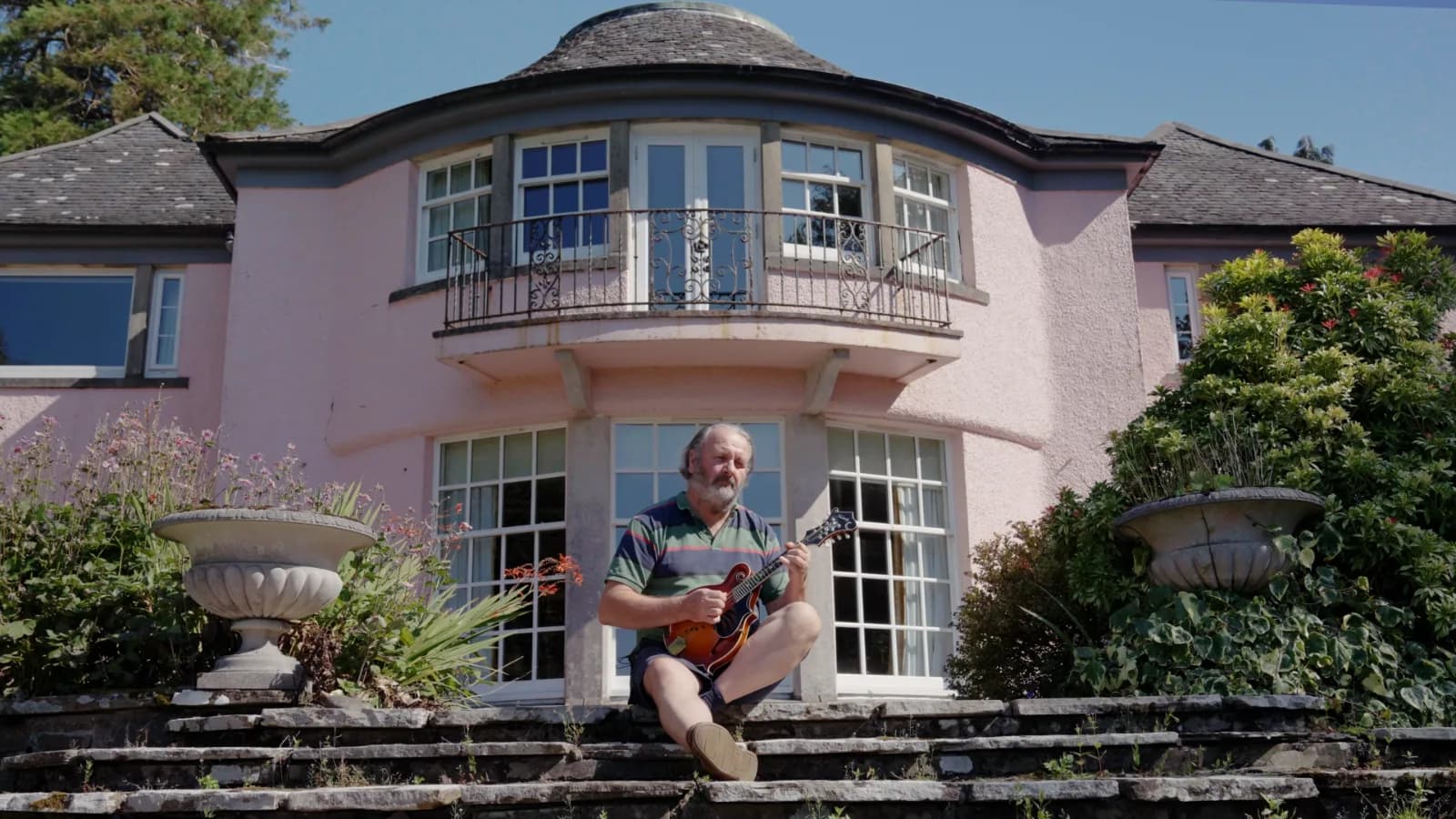
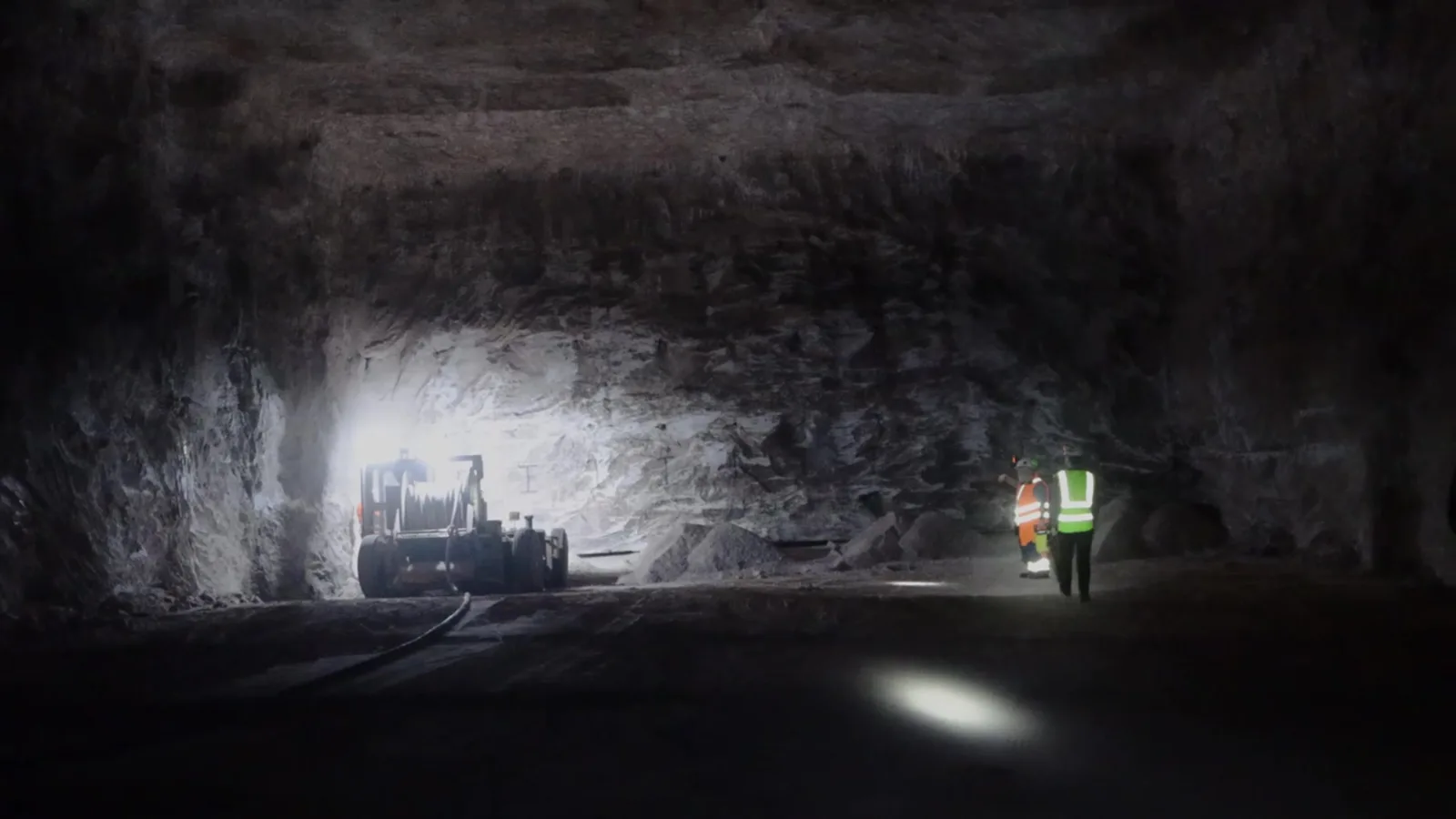
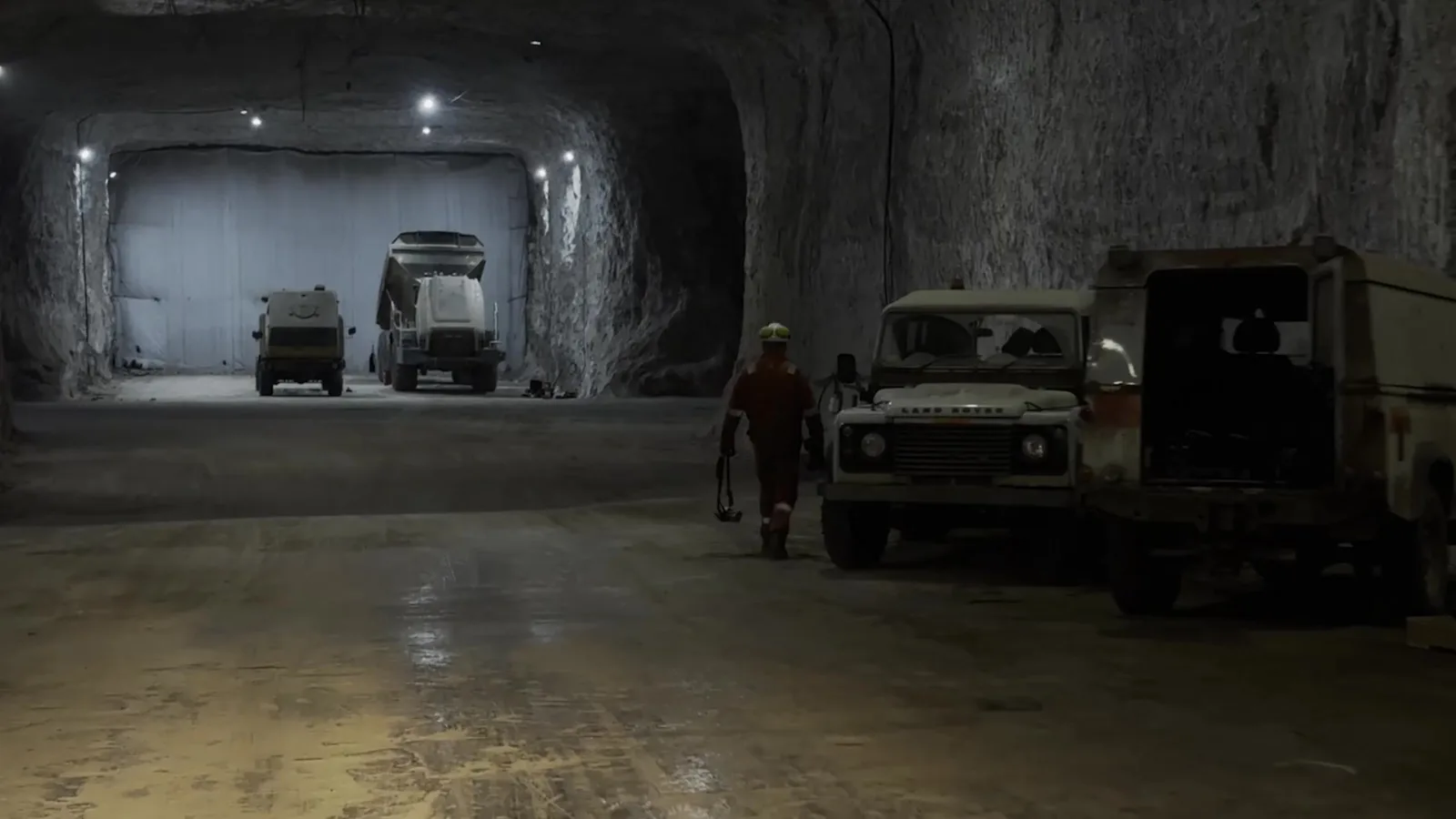
My work at the Seamus Heaney Centre in Belfast is spread across the full range of projects run by the institute, particularly surrounding the Seamus Heaney Broadcast Archive housed in our Centre. We were very lucky and honoured at the Heaney Centre to have inherited a posthumous collection of work by broadcaster, Irish folk singer and close friend of Heaney, David Hammond, whose TV broadcast work for the BBC and RTE spans across nearly 30 years of poetry-film collaboration. Their collaboration sits at the heart of Seamus' poem The Singer's House, which is named for a summer school run by the Hammonds at a small cottage in coastal Donegal and was written during an intense period of civil conflict in Northern Ireland known as 'The Troubles'. Heaney wrote the poem to encourage Hammond to continue singing despite the conflict, and he situates this poem in the depths of Carrickfergus Salt Mine, which became the foundation stone of my film. In a very fast turnaround from research to final film, the staff of the Salt Mine in Kilroot graciously welcomed me, my producer Stephen Connolly and one of our annual university fellows Mark McCambridge (better known as musician Arborist) down into the mine on a cold February morning this year.
Can an archive be a creative starting point, as well as a place of preservation? Do you often find yourself thinking that a piece of research could open the way to a work?
I am a massive believer in the creation of new work in response to archives as part of archival practice. In an attempt to protect and preserve archival material, institutions often make the error of withholding access completely and halting creative interpretation which allows the work to continue to exist culturally. SALT lives side-by-side in our broadcast archive with material surrounding the work of Seamus Heaney and Ciaran Carson from the 1960s to the 2010s. So much of Seamus, Ciaran and David's work was itself nostalgic or archival in nature, which makes it very ripe for preservation and archival interpretation. However, without active preservation and new interpretation, some of these pieces could be forgotten as part of Ulster's artistic canon. Bringing them down into the mine with Seamus' poem was my own way of honouring that work and the legacy of those great artists here at the Seamus Heaney Centre.
The Archive as a Living Ecosystem
What happens when a recording that has lain still for decades is listened to again?
One of the most incredible things about Seamus Heaney and his work is how contemporary it still feels. Occasionally while reviewing radio work that Heaney produced in the early '70s, we will encounter surrounding materials that now feel very dated or have an outdated style of voice/speech, but Seamus' voice always cuts through so clearly and his poetry has the same effect. His archival voice sits next to our oral history interviews and contemporary collections and can be intercut easily without any sort of feeling of datedness, which makes my work as an archivist/filmmaker very easy! Upon rewatching SALT, I feel like The Singer's House could have been written this year, despite approaching 50 years since it was first published. One small detail I did not include in the film was the fact that a lot of the machinery in the mine is itself 50 or so years old; because of how little moisture is in the air in the mine the machinery never rusts and has a much longer lifespan. This phenomenon of works that remain fresh each time you experience it is something Heaney himself addressed in his 1996 poem "The Rain Stick", which I think is apt to answer this question:
“Upend the stick again. What happens next
Is undiminished for having happened once,
Twice, ten a thousand times before.
Who cares if all the music that transpires
Is the fall of grit or dry seeds through a cactus?
You are like a rich man entering heaven
Through the ear of a raindrop. Listen now again.”
Voice and Place
In your statement you speak of the meeting point between people and place in Ireland: where they meet, where they clash, where they merge. In SALT, which of the three?
The salt mine as a location straddles the line between outstanding natural beauty and deeply artificial space. The salt itself formed naturally millions of years ago as the bed of an ancient sea in the place where Ulster now stands, but our engagement with that space is violently modern. The scale of the mine is also humbling, you feel absolutely dwarfed down there by the size of the cavern and the machinery needed to carve away and process so much raw material. This film was first pitched as an audio piece before further research made me certain I needed to film that strange and unique environment; I wanted to bring recordings of music, birdsong and poetry down into the mine, allowing sounds to echo out into the depths and interact with the brutal sounds of the machinery. SALT is the result of that experiment.
Voices That Stay
The film closes with Ciaran Carson's tin whistle, recorded a few years before his death. Why close with Carson, and with "The Blackbird"?
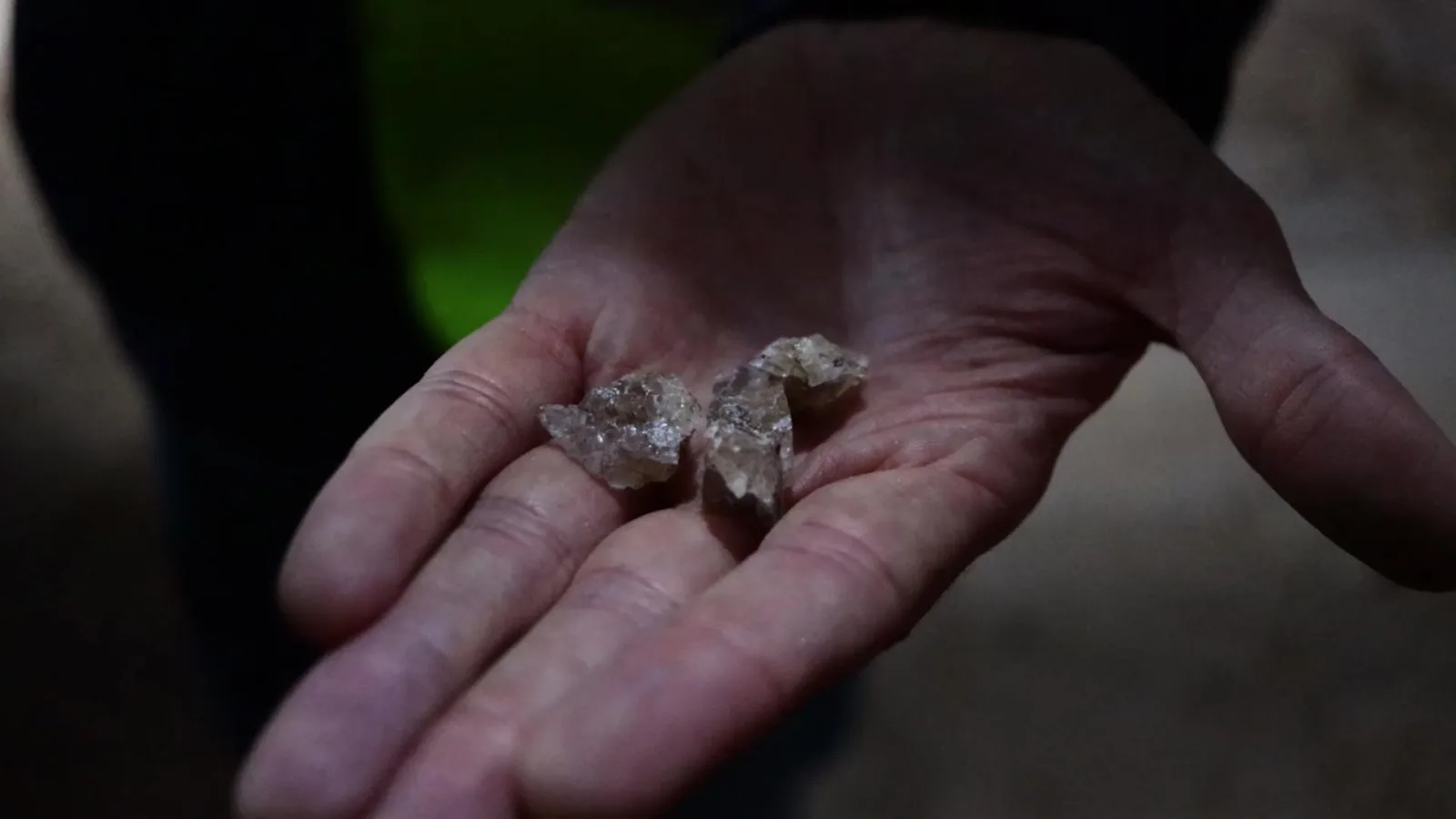
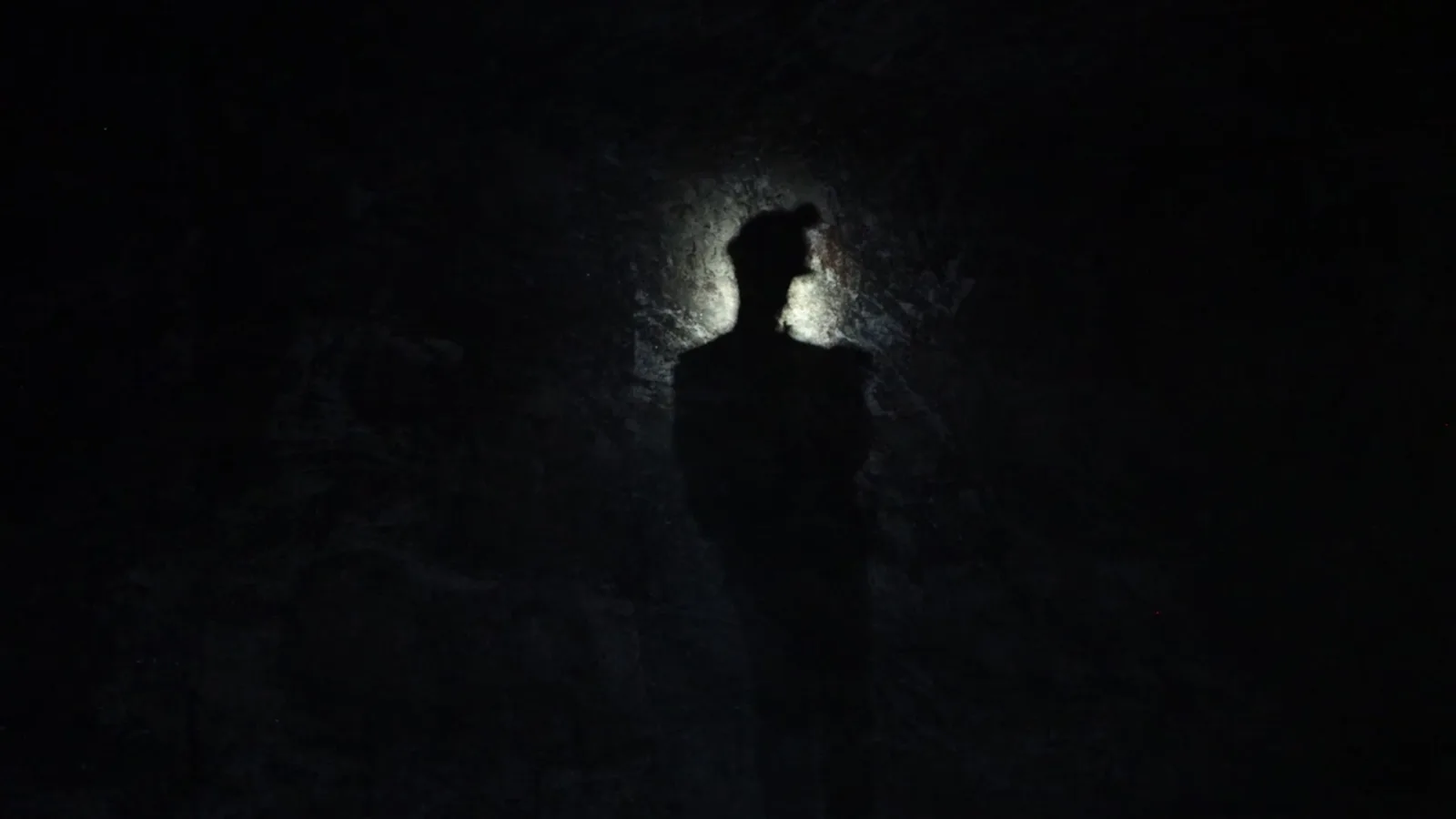
The Blackbird is the symbol of the Heaney Centre, inspired by a poem written 1100 years ago called "The Blackbird of Belfast Lough", which is one of the oldest poems ever written in Belfast and was translated from Old Irish by Ciaran Carson, who was the founding director of the Heaney Centre. Our Broadcast Archive was very grateful to inherit a recording of Ciaran performing the traditional Irish tune The Blackbird on tin whistle recorded by poet Paul Maddern, which was made a few years before Ciaran passed away. In SALT, I paired this recording with audio of birdsong from blackbirds and David Hammond's song 'I Wish I Was A Maid Again' which mentions blackbirds in a mournful context. I am obsessed with cave myths and metaphors. I intentionally structured the film so that the mine is at first an intense, mechanical, alien environment, but Heaney's poetic treatment of the salt mine recontextualises that alien world into something glittering and beautiful, then Hammond's voice sings us back to the surface. That metaphorical journey to hell and back again was something that came up in conversation and collaboration with my good friend and extraordinary composer Rory Carroll who produced the score and set the tone of the mine.
How do you work with the estates, when you give new life to a voice?
It is an absolute honour and privilege to have the access and blessing of the estates of these great Belfast artists at this early stage in my career and is not something I take for granted. I always work with the thought "would the original artist be pleased with this result?" and like to imagine that Heaney, Hammond and Carson would at least be amused by their work being performed at the deepest point of Carrickfergus Salt Mine. Across Ireland there is a fantastic national/local pride in our literature, and this can extend to very unusual places, the good name of Seamus Heaney can open many doors.
Watch
Now streaming: SALT, Conall McCauley